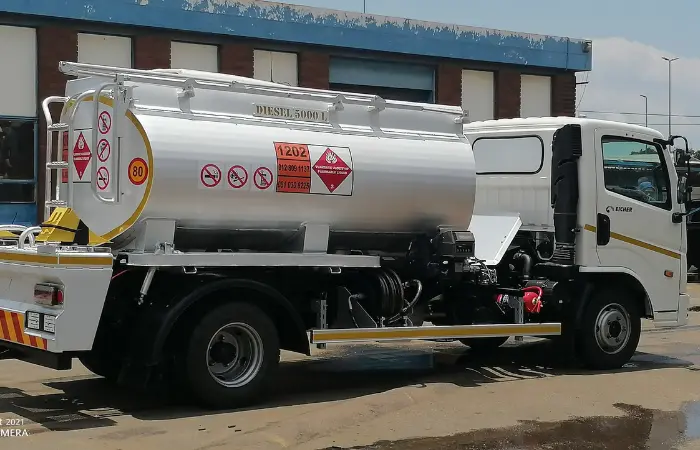
Diesel tankers that were en route to Europe have made a sudden change in their course in the Atlantic Ocean, marking another indicator of the increasing tensions in the global energy market. This change comes at a time when markets are suffering from a severe fuel supply shortage due to the ongoing war in Iran, which has caused significant disruptions in supply chains.
This step serves as a warning to investors and analysts regarding the challenges facing global energy markets, as pressures on fuel supplies are mounting due to geopolitical conflicts. The shift in tanker routes also reflects the ongoing struggle among major powers to control natural resources amid the multiple crises affecting the region.
Details of the Event
Reports indicate that diesel tankers bound for Europe have unexpectedly altered their course, raising questions about the reasons behind this decision. It is believed that the increasing tensions in the Middle East, particularly the war in Iran, play a key role in these changes. The ongoing conflict has affected the ability of countries to secure stable energy supplies.
Concerns are growing that these changes could lead to rising fuel prices in European markets, where many countries rely on imported diesel to meet their needs. This situation could also negatively impact the global economy, which is still grappling with the effects of the COVID-19 pandemic.
Background & Context
Historically, the Middle East has been considered a major source of energy, with oil-producing countries controlling a significant portion of the world's oil and gas reserves. However, ongoing conflicts in this region, including the war in Iran, have led to significant volatility in energy markets. Since the beginning of the conflict, oil and gas prices have experienced sharp fluctuations, impacting the global economy as a whole.
In recent years, with increasing environmental pressures and a shift towards renewable energy sources, European countries have become more reliant on energy supplies from outside their borders. This growing dependence makes them vulnerable to geopolitical influences, as seen with the current tensions in the Middle East.
Impact & Consequences
These developments could have significant ramifications for global markets, as any shortage in fuel supplies may lead to unprecedented price increases. This situation could affect many economic sectors, including transportation and industry, potentially raising the cost of living in numerous countries.
Furthermore, the escalating tensions could exacerbate humanitarian crises in the region, as conflicts directly impact the lives of millions of people. These crises may also lead to increased migration and displacement, placing additional pressures on countries receiving refugees.
Regional Significance
For the Arab region, these changes in the energy market could mean more economic challenges. Many Arab countries heavily depend on oil and gas revenues, and any price fluctuations could affect their national budgets. Additionally, ongoing conflicts in the region may worsen security and economic conditions.
In light of these circumstances, Arab countries must consider new strategies to adapt to changes in the global energy market, including investing in renewable energy sources and enhancing regional cooperation to ensure supply stability.