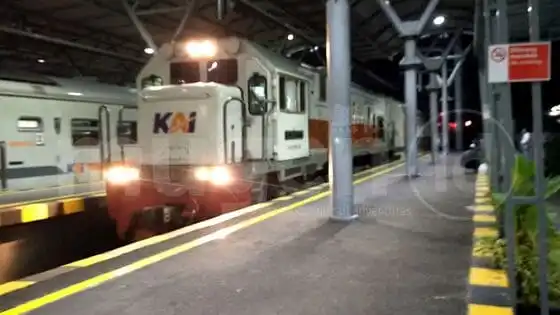
PT Kereta Api Indonesia (KAI) has announced the rerouting of train services and the provision of alternative transport following the derailment of KA Bangunkarta in Bumi Ayu. The incident, which occurred on Monday, April 6, resulted in delays and the cancellation of several trips, necessitating immediate measures to ensure passenger safety.
The Public Relations Manager at KAI, Muhammad Din, confirmed that the company adjusted the train routes heading to Borobudur, rerouting them via the North Semarang line before proceeding to Solo. Additionally, bus services have been provided to transport passengers heading to Borobudur from the Siri Bon and Kiri Bujan stations.
Details of the Incident
The accident occurred at 14:15 local time in Indonesia when KA Bangunkarta derailed at kilometer 312+1 near Bumi Ayu station. This incident disrupted train operations and delayed numerous journeys, affecting the travel schedules of many passengers.
As a result, KAI canceled several trips to and from Borobudur, including the Sawunggalih train services between Kotwarjo and Pasarsinien, the Taksaka train between Yogyakarta and Gamping, and the Purwojaya train between Gamping and Kroya-Silachip. These actions were part of the company's efforts to ensure passenger safety and restore train operations to normal as quickly as possible.
Background & Context
The railway network in Indonesia is one of the most important modes of transport in the country, connecting major cities and facilitating the movement of goods and passengers. However, incidents like the KA Bangunkarta derailment highlight the challenges facing this sector, including the need to improve infrastructure and enhance safety standards.
Historically, Indonesia has witnessed numerous railway-related accidents, prompting the government to take steps to improve safety. In recent years, projects have been implemented to modernize the railway system and expand the network, but accidents continue to pose a concern.
Impact & Consequences
The impact of the KA Bangunkarta incident extends beyond mere travel delays. The cancellation of numerous trips may affect passengers' travel plans, requiring them to seek alternatives. Such incidents can also impact KAI's reputation and lead to a decline in passenger confidence in railway services.
It is crucial for KAI to take effective steps to address this issue, including improving maintenance and inspection systems for trains. The company should also work on enhancing communication with passengers to reduce frustration stemming from delays and cancellations.
Regional Significance
This incident underscores the importance of improving transport systems and enhancing safety in the railway sector. The reliability of train services is vital for economic activities and public trust in transportation infrastructure.
In conclusion, the KA Bangunkarta incident serves as a reminder of the ongoing challenges within Indonesia's railway system and the urgent need for continued investment in safety and infrastructure improvements.