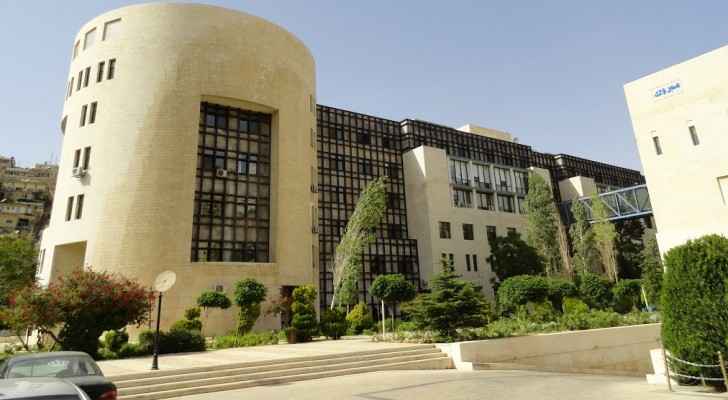
The Greater Amman Municipality has made a decision to reduce allowances and bonuses by 50% as part of a comprehensive plan to streamline expenses. This step aims to enhance the financial efficiency of the municipality and alleviate the economic burdens it faces.
This decision comes at a time when the Kingdom is experiencing multiple economic challenges, as the government seeks to improve financial resource management and reduce the budget deficit. This reduction is considered part of a series of measures aimed at controlling public spending and enhancing financial sustainability.
Details of the Announcement
This decision was announced during a press conference held by officials from the Greater Amman Municipality, where they clarified that the decision applies to all employees within the municipality. They emphasized that this measure will not affect the quality of services provided to citizens but aims to improve the financial performance of the municipality.
Officials also noted that this step is part of a long-term strategic plan aimed at improving operational efficiency and reducing financial waste. A set of criteria has been established to evaluate financial performance, which will assist in making informed future decisions.
Background & Context
Many Arab countries are facing increasing economic challenges, prompting governments to adopt austerity measures. In Jordan, the government is under financial pressure due to rising public debt and declining revenues. In recent years, there has been an increase in the cost of living, which has affected citizens' purchasing power.
Through these measures, the Greater Amman Municipality aims to improve its financial situation, as it is one of the main governmental institutions providing vital services to citizens. Streamlining expenses is part of the broader efforts made by the Jordanian government to achieve economic stability.
Impact & Consequences
This decision is expected to have multiple effects on employees and citizens. While reducing allowances and bonuses may lessen the financial burdens on the municipality, it could also impact employee morale and their ability to meet daily needs.
On the other hand, this decision may be seen as a positive step towards improving financial resource management, potentially enhancing trust in the government and its ability to face economic challenges. Furthermore, improving the financial performance of the municipality may lead to better services for citizens in the long run.
Regional Significance
The experience of the Greater Amman Municipality serves as a model for many Arab countries facing similar economic challenges. Governments in the region are striving to improve the efficiency of public spending and achieve financial sustainability.
It is crucial for governments to adopt effective strategies for rationalizing expenses, especially in light of the difficult economic conditions many countries are experiencing. These steps may be necessary to achieve economic stability and foster growth in the future.
In conclusion, the decision by the Greater Amman Municipality highlights the importance of expense rationalization as a means to improve financial performance and enhance sustainability. As economic challenges continue, the need for effective strategies that ensure a balance between spending and revenue remains urgent.