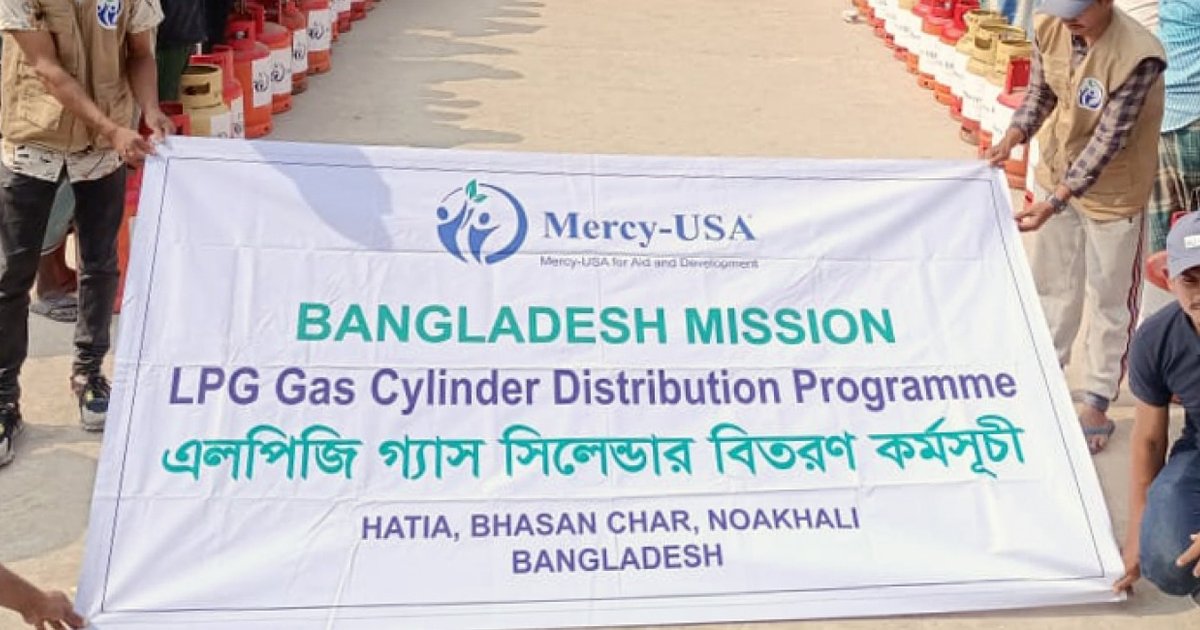
International relief organizations have announced a reduction in food aid provided to hundreds of thousands of Rohingya refugees in camps in Bangladesh, raising fears of worsening humanitarian conditions in these camps. More than 900,000 Rohingya refugees, who fled violence and persecution in Myanmar, are enduring harsh living conditions, with many relying on food aid to survive.
This step comes at a critical time, as food assistance has been considered the lifeline for refugees living in overcrowded camps lacking basic services. Humanitarian organizations have confirmed that the reduction in aid will lead to increased rates of malnutrition and disease among this vulnerable group.
Details of the Situation
Reports indicate that food aid distributed to refugees has decreased by up to 30%, meaning that many families will find themselves unable to meet their basic nutritional needs. Relief organizations have expressed concern that this reduction will lead to the spread of hunger and disease in the camps, where refugees live in deteriorating health conditions.
In this context, a relief official stated: "Reducing food aid at this sensitive time is tantamount to a death sentence for many families who are entirely dependent on this assistance." He also noted that the current situation requires increased international support rather than a reduction.
Background & Context
Historically, the Rohingya minority in Myanmar has faced systematic persecution, being classified as foreigners in their own country, leading to waves of violence and displacement. In 2017, over 700,000 refugees fled to Bangladesh to escape the ethnic cleansing they faced. Since then, these refugees have been living in camps lacking basic infrastructure, exacerbating their suffering.
Bangladesh is one of the countries hosting the largest number of refugees in the world, facing significant challenges in providing basic needs for these refugees. Economic and political crises have affected the Bangladeshi government's ability to provide necessary support, further complicating the humanitarian situation.
Impact & Consequences
The reduction in food aid is expected to exacerbate humanitarian conditions in the camps, potentially leading to increased crime rates and social unrest. Additionally, food shortages could lead to the spread of diseases, especially among children and pregnant women, who are the most vulnerable.
Moreover, the continuation of these conditions may negatively impact relations between Bangladesh and the international community, as the reduction in aid may be seen as a sign of non-compliance with humanitarian standards. These conditions could also increase pressure on neighboring countries that may receive additional refugees.
Regional Significance
The issue of Rohingya refugees is one of the pressing humanitarian concerns that resonates within the Arab world, reflecting the importance of Arab solidarity with global humanitarian issues. The situation in Bangladesh highlights the need to enhance cooperation between Arab and Asian countries to address humanitarian challenges.
In conclusion, the current situation in Bangladesh requires an urgent response from the international community to ensure the necessary aid is provided to Rohingya refugees and to prevent further deterioration of humanitarian conditions. Supporting this vulnerable group is a humanitarian duty that requires a concerted international effort.