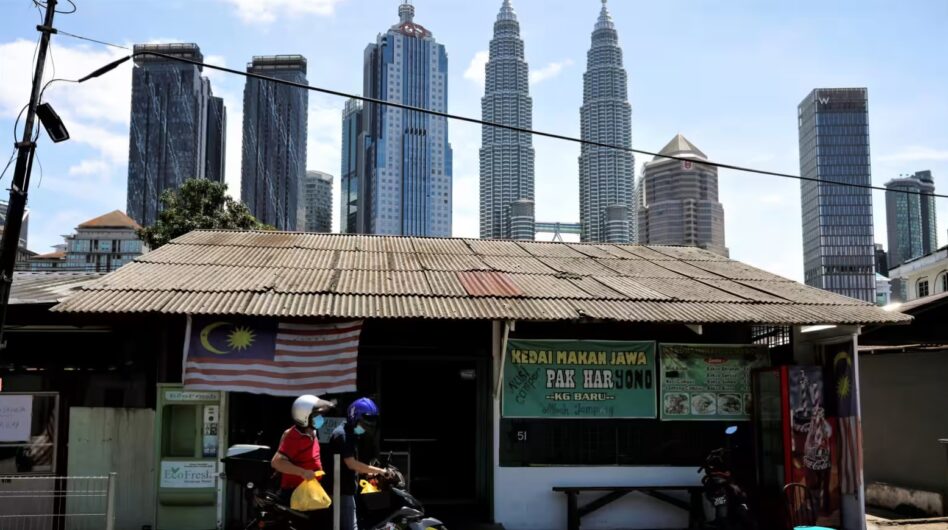
The Malaysian government's decision to reduce fuel subsidies starting April 1 has sparked increasing concern among citizens, with the monthly fuel allocation per vehicle being cut from 300 liters to 200 liters. This move comes at a time when the country is grappling with the repercussions of the war in Iran, which has led to unprecedented increases in food prices.
A university professor, seeking additional work to cope with the rising cost of living, expressed difficulty in keeping up with rapid economic changes. He pointed out that the sudden inflation and rising prices of non-subsidized food items are due to disruptions in oil flow through the Strait of Hormuz.
Details of the Situation
Since the onset of the war in Iran, gasoline prices in Malaysia have surged by as much as 80%, while diesel prices have exceeded 120%. Rafiq Harith, a retiree from a private company, voiced his concern over the government's inability to continue supporting essential goods, despite his satisfaction with the efforts made to address the crisis. He noted that most food items in the country rely on imports, exacerbating the crisis.
Consumer protection associations are calling for the need to find local alternatives to imported food items. Nadim Johan, the head of the association, described the situation as critical, indicating that the burden now falls on the Malaysian citizen to adapt to the new circumstances. He urges consumers to change their behavior to reduce expenses, such as relying on public transportation and growing vegetables locally.
Background & Context
Malaysia is one of the countries that heavily relies on oil imports, with 69% of its oil needs passing through the Strait of Hormuz. A study by the investment bank under Maybank revealed that this percentage reflects the country's significant dependence on imports under the current conditions. Meanwhile, the Malaysian government has emphasized the resilience of the national economy in facing challenges.
The Malaysian central bank announced that its economic policy aims to maintain an inflation rate not exceeding 2.5% until 2026, despite global challenges. The government also confirmed that it will continue to support oil prices for the next two months in an attempt to alleviate the burdens on citizens.
Impact & Consequences
Concerns are growing that the continuation of the war in Iran may exacerbate the food crisis in Malaysia, as many citizens depend on imported food items. Surveys have shown that 70% of Malaysians are worried about inflation, while 50% expressed satisfaction with the government's performance, considering the current crisis a result of global conditions.
The government is seeking solutions to address the challenges, with government sources confirming that Iran has agreed to allow Malaysian oil tankers to pass through the Strait of Hormuz, which could ease economic burdens. This comes after extensive efforts by Prime Minister Anwar Ibrahim and his foreign minister with the leaders of the concerned countries.
Regional Significance
The repercussions of the war in Iran are indicative of ongoing tensions in the Middle East, which directly affect neighboring countries. The rise in oil and food prices could negatively impact the economies of other countries in the region, necessitating greater coordination among Arab nations to tackle these challenges.
In conclusion, Malaysia continues to face significant economic challenges as a result of ongoing events in the region, requiring a swift and effective response from both the government and citizens alike.