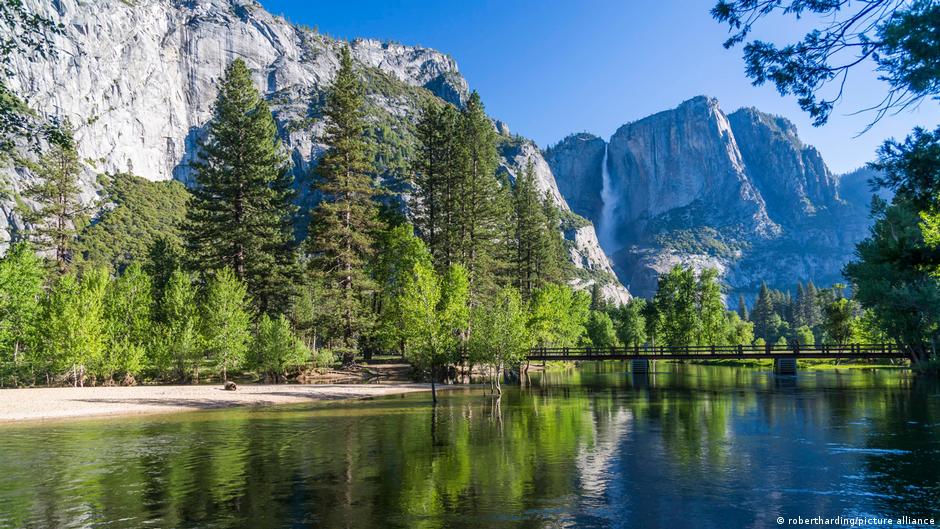
The US national parks, considered some of the most beautiful natural areas in the country, are facing serious threats due to plans by President Donald Trump's administration aimed at reducing the budget allocated for park services. These plans, which include cuts of up to $1 billion, have raised concerns among environmental advocates who warn that such steps could lead to the closure of many sites or a significant reduction in the services provided.
National parks are part of over 600 million acres of public land in the United States, which includes forests, deserts, and waterways. Jenny Roland-Chia, Director of Public Lands Policy at the Center for American Progress, noted that these areas are among the most biologically diverse lands in the country.
Details of the Event
In May 2025, the Trump administration proposed cutting the budget for the National Park Service, which could lead to the closure of many sites or a significant reduction in services. Although the president signed an executive order aimed at "improving" national parks, critics argue that this order is part of a broader policy aimed at opening more public lands to resource extraction such as oil and gas.
Reports indicate that over 40% of public lands in the United States are already subject to oil, gas, and coal extraction, raising concerns about the impact on the environment and biodiversity. Critics believe these policies are designed to enhance corporate interests at the expense of environmental protection.
Background & Context
Historically, US national parks represent one of the greatest achievements in environmental protection, established to safeguard unique landscapes and biodiversity. However, since Trump took office, these parks have seen a decline in protection, with millions of acres of protected land being made available for mining and logging.
In 2017, the Trump administration repealed several regulations aimed at protecting these lands, leading to a significant increase in leasing contracts for oil and gas extraction. This has alarmed scientists and environmentalists who warned that these policies could lead to environmental degradation and the destruction of natural habitats for many endangered species.
Impact & Consequences
Studies suggest that cutting the budget for national park services could lead to a deterioration in the quality of services provided to visitors, negatively impacting local tourism which many communities depend on. In 2024, national parks recorded a record 332 million visitors, who spent approximately $29 billion in surrounding communities.
Furthermore, opening public lands to resource extraction could lead to the destruction of natural habitats, threatening biodiversity and increasing pressures on endangered species. Scientists have warned that these policies could result in the loss of more species, especially with climate changes affecting the environment.
Regional Significance
Although the situation in the United States may seem distant from the Arab region, environmental issues and biodiversity remain of global importance. Many Arab countries are also under similar pressures due to unsustainable development and the exploitation of natural resources. Preserving the environment and biodiversity should be a priority worldwide, including in Arab nations.
In conclusion, the current situation in US national parks requires urgent attention from the international community, as environmental protection is not just a local issue but a global responsibility that requires cooperation and solidarity among all nations.