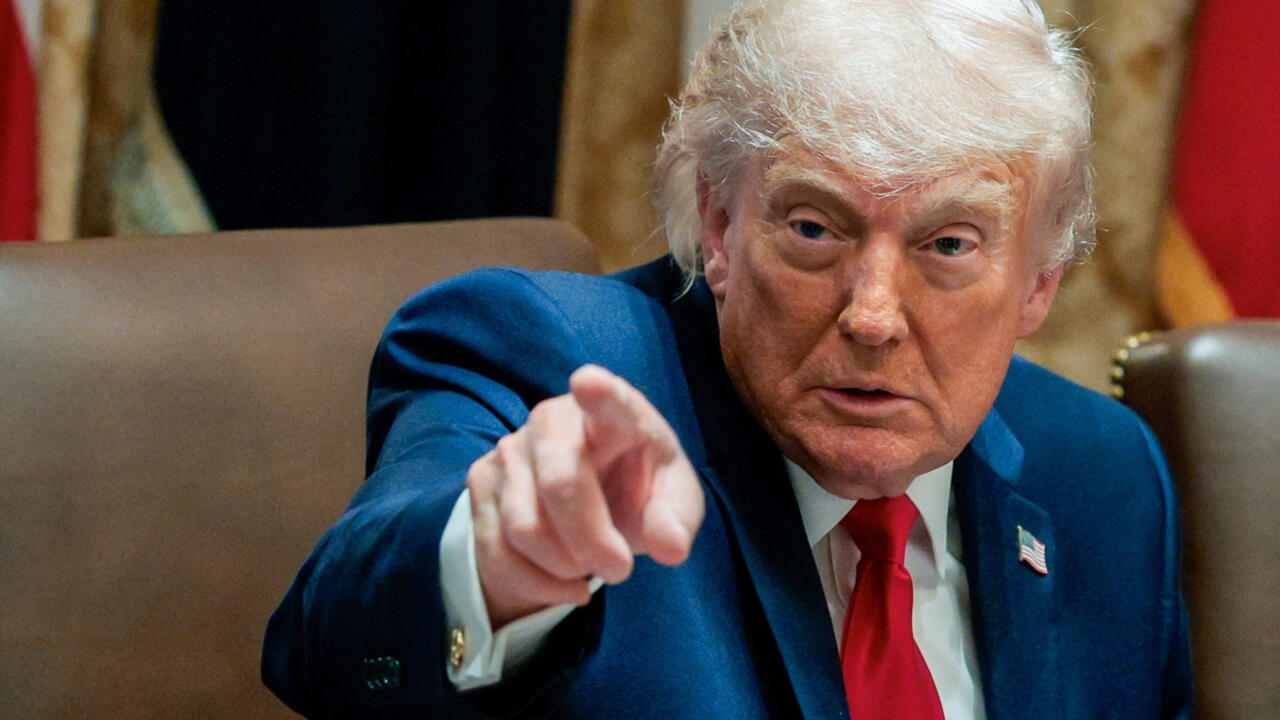
The Iranian Revolutionary Guard, in its recent statements, has minimized the likelihood of resuming war with the United States, indicating that this possibility is "slight." These remarks come amid escalating tensions between the two sides, as President Donald Trump has threatened military consequences if a better agreement is not reached.
While efforts led by Pakistan continue to seek an understanding between Tehran and Washington, Trump has expressed dissatisfaction with Iran's recent proposals, increasing tensions further. In a meeting with his administration, Trump indicated that he might have to "resolve the matter" if circumstances do not change.
Details of the Event
The Tasnim news agency reported that Mohammad Akbarzadeh, the deputy head of political affairs in the Revolutionary Guard's naval forces, stated that the likelihood of war is low due to the enemy's weakness. He confirmed that the Iranian armed forces are "alert and equipped with ammunition," reflecting Iran's readiness for any potential escalation.
On the American side, Trump clarified that he is not in a hurry to reach an agreement, although he noted that a deal is "close." He emphasized that Iran is "desperately seeking" to finalize the agreement, but stressed that Washington is "dissatisfied" with the current proposals.
Background & Context
Tensions between Iran and the United States have persisted for years, escalating after the Israeli-American attack on Iran on February 28. A ceasefire was announced on April 8, but disagreements over key points such as the Strait of Hormuz and Iran's nuclear program remain unresolved.
In a related context, Trump threatened to attack Oman, a US ally, in response to a question about the possibility of accepting a short-term agreement allowing Iran and Oman to control the waterway. He affirmed that "the strait will be open to everyone," complicating the situation in the region further.
Impact & Consequences
With increasing positive indicators, hopes for a near agreement that prevents the return of war have risen, affecting the markets as oil prices fell by more than 5% on Wednesday. However, concerns remain about the collapse of the ceasefire, especially following recent American strikes on sites in southern Iran.
At the same time, the Iranian Ministry of Intelligence confirmed that the American-Israeli objective still aims at "overthrowing the Islamic Republic," reflecting a state of distrust between the two sides. The Revolutionary Guard also noted that crossing the Strait of Hormuz remains "prohibited" for any hostile country.
Regional Significance
The Arab region is significantly affected by these tensions, with Gulf states remaining on high alert. Any military escalation could destabilize the region, impacting the economy and global markets.
Moreover, the ongoing tensions between Iran and the United States may reflect on the relationships between Arab states and Iran, complicating the political landscape in the region.