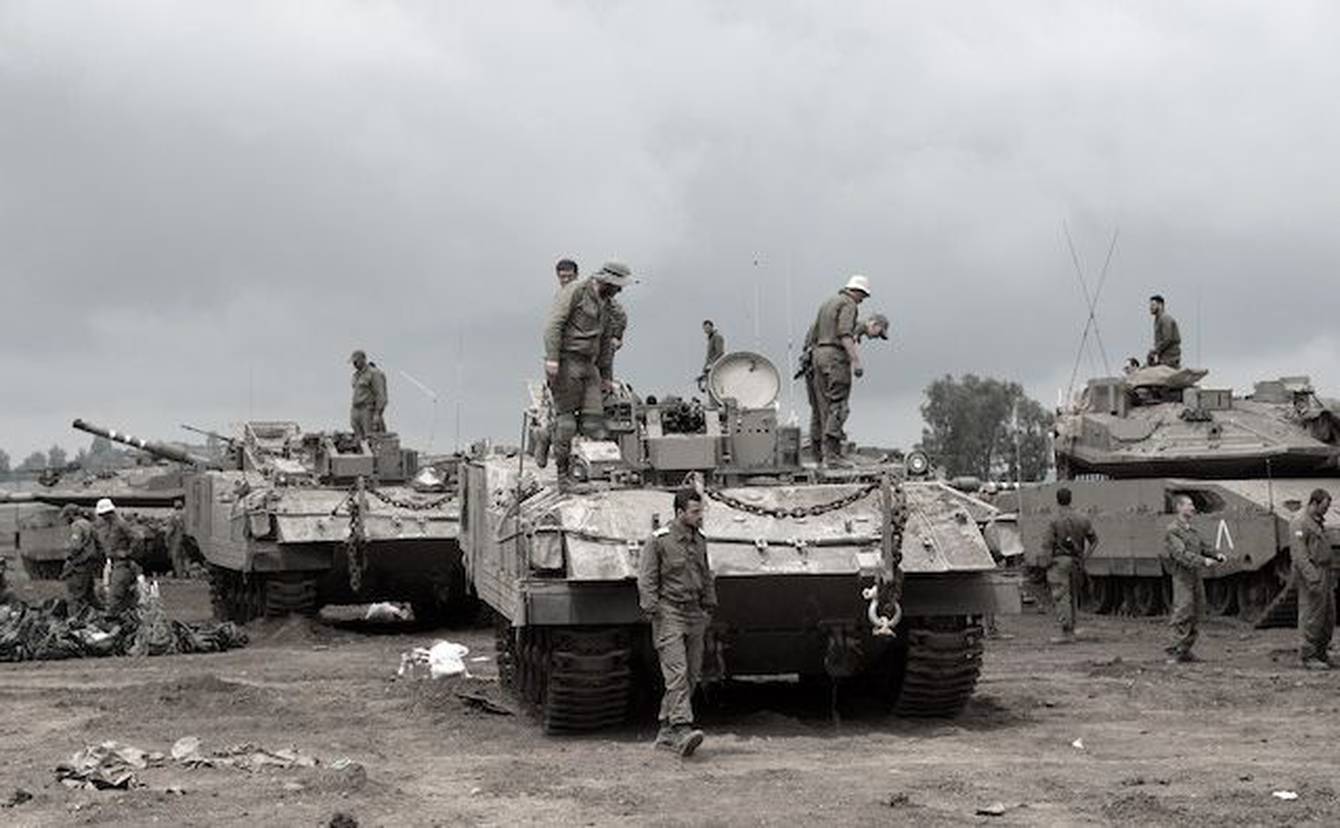
Amid rapid political and economic changes, attention is turning to the reengineering of domestic affairs and the reshaping of the region. This transformation raises questions about the future of the area and its impact on regional stability.
The Arab region is witnessing profound transformations that require a reassessment of national strategies in dealing with internal and external challenges. These dynamics are not limited to political dimensions alone but also encompass economic and social aspects that directly affect citizens' lives.
Event Details
Calls for reengineering domestic affairs are increasing in many Arab countries, where leaders seek to achieve political and economic stability. In this context, the importance of reshaping the region in line with global changes becomes evident. This process requires concerted efforts among Arab countries to enhance cooperation and integration.
These efforts include developing new policies that reflect the needs and aspirations of the people, contributing to improved living conditions and enhanced security and stability. There is also an urgent need to activate the role of civil institutions in this process to ensure representation of all segments of society.
Background & Context
Historically, the Arab region has experienced numerous political and economic crises that have led to the fragmentation of some countries and increased tensions. These crises have prompted nations to consider new strategies for addressing challenges. For instance, recent years have seen internal conflicts in some countries, negatively impacting regional stability.
Moreover, external interventions in Arab affairs have complicated the landscape, necessitating that Arab nations work together to reduce reliance on external powers and enhance national sovereignty.
Impact & Consequences
The potential consequences of reengineering domestic affairs and reshaping the region are manifold, as they could lead to improved economic and social conditions. On the other hand, these efforts may face resistance from some traditional powers that fear losing their influence.
The success of these initiatives depends on the ability of countries to achieve internal consensus and regional cooperation. If this is achieved, these efforts could contribute to enhancing security and stability in the region, positively reflecting on citizens' lives.
Regional Significance
This transformation represents an opportunity for Arab countries to rebuild their relationships and enhance cooperation in various fields, such as economics and security. Through joint efforts, Arab nations can more effectively confront common challenges.
In conclusion, reengineering domestic affairs and reshaping the region is not merely a political process; it is an urgent necessity for achieving sustainable development and stability in the area. This requires a clear strategic vision and effective collaboration among all stakeholders involved.