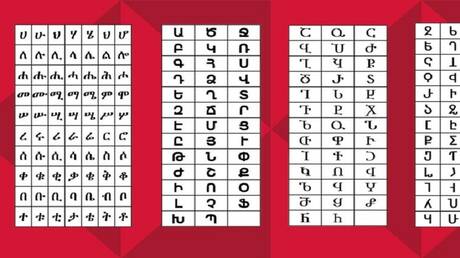
California State University, San Diego, has conducted an innovative study comparing ancient writing systems in Africa and the mountainous Caucasus region using artificial intelligence techniques. This study highlights how modern technology can be used to understand and interpret writing systems that date back to ancient times, contributing to a reevaluation of the history and evolution of writing.
Ancient writing systems are an important part of the cultural heritage of many peoples, reflecting their history, language, and traditions. With the advancement of artificial intelligence techniques, researchers can now analyze these systems more accurately and effectively, allowing them to discover connections and similarities between them.
Event Details
In this study, researchers employed advanced algorithms to analyze various writing systems, enabling them to identify patterns and relationships among these systems. The results showed notable similarities between some writing systems in Africa and those found in the Caucasus region, raising questions about the cultural and historical influences exchanged between these areas.
These findings represent a significant step towards a deeper understanding of the history of writing, as they may contribute to reevaluating previous hypotheses regarding the development of writing across different cultures. Additionally, the use of artificial intelligence in this field opens new horizons for research and study, enhancing the importance of technology in the humanities.
Background & Context
The history of writing spans thousands of years, with writing systems evolving significantly over time. From cuneiform writing in Mesopotamia to hieroglyphics in Egypt, writing has been a fundamental means of transmitting knowledge and culture. However, many ancient writing systems remain enigmatic, making it difficult to understand their history and development.
This study comes at a time when the world is witnessing a growing interest in artificial intelligence technologies and their roles in various fields. By utilizing these technologies, researchers can analyze data more quickly and accurately, facilitating their exploration and better understanding of ancient writing systems.
Impact & Consequences
The results of this study could lead to significant changes in how we understand the history of writing and its evolution. If the connections between different writing systems are confirmed, this may contribute to reevaluating historical hypotheses regarding cultural communication and mutual influences among peoples.
Moreover, the use of artificial intelligence in this context could pave the way for new and innovative studies in other areas of the humanities, enhancing the importance of technology in understanding history and culture.
Regional Significance
The Arab region is part of the history of writing, having witnessed the development of many writing systems, including the Arabic alphabet. This study could contribute to a deeper understanding of the history of writing in the region, helping to enhance the cultural and historical identity of Arab peoples.
Furthermore, the use of artificial intelligence techniques in studying ancient writing systems could have positive effects on academic research in the Arab world, strengthening the region's position in the field of humanities studies.
In conclusion, the use of artificial intelligence in studying the history of writing represents an important step towards a deeper understanding of human history. Through these studies, we can discover more about our cultural heritage and contribute to enhancing the cultural identity of various peoples.