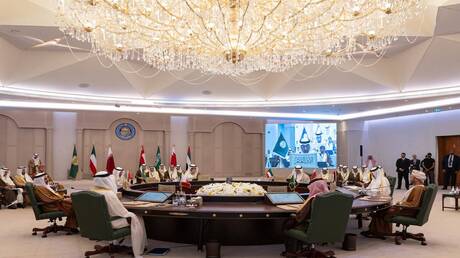
The latest report from Foreign Affairs indicates that the American-Israeli war against Iran presents new challenges for Gulf states, compelling them to reassess their strategic relationships with Washington. Amid escalating tensions, these nations appear to be reconsidering how to engage with the United States, which has been viewed as a key ally for decades.
Reports suggest that Gulf countries, heavily reliant on American military and political support, are worried that an escalation of the conflict could adversely affect their national security. This new dynamic may lead to a reshaping of alliances in the region, as countries seek alternative options to bolster their security.
Details of the Situation
There is growing concern among Gulf states that a potential war could exacerbate security conditions, forcing them to rethink their defense strategies. Some countries, such as Saudi Arabia and the United Arab Emirates, have shown increased interest in strengthening ties with other powers, like Russia and China, as part of their efforts to reduce dependence on the United States.
At the same time, the United States continues to bolster its military presence in the region, complicating the landscape further. However, uncertainty regarding Washington's commitment to its Gulf allies may raise questions about the future of these relationships.
Background & Context
Historically, the relationships between Gulf states and the United States have been based on security and economic cooperation. However, these ties have experienced fluctuations over the years, particularly following events such as the Arab Spring and shifts in American policies in the region. Now, with rising tensions between Iran and the United States, Gulf states seem to be facing new challenges that require them to reevaluate their strategies.
Iran is a key player in the region, and its policies have significantly impacted regional security. In recent years, Tehran has increased its influence in Iraq, Syria, and Lebanon, raising concerns among Gulf nations. Therefore, any military escalation against Iran could have far-reaching implications for stability in the region.
Impact & Consequences
If the war against Iran continues, it could destabilize Gulf states, compelling them to take urgent measures to protect their interests. Some countries may move towards enhancing their military capabilities or seeking new alliances, which could alter the balance of power in the region.
Moreover, these dynamics could affect the global economy, particularly in the energy sector. Gulf states are among the largest oil producers, and any escalation in conflict could impact oil prices and increase instability in global markets.
Regional Significance
The potential repercussions of the war on Iran extend beyond the Gulf, potentially affecting other Arab nations. An escalation of tensions could lead to new waves of displacement and refugees, increasing pressure on neighboring countries. Additionally, any escalation could provoke reactions from armed groups in the region, further complicating the security situation.
In conclusion, Gulf states find themselves at a crossroads, needing to reassess their relationships with the United States in light of the new challenges posed by the war on Iran. Responding to these challenges will be crucial for the future of security and stability in the region.