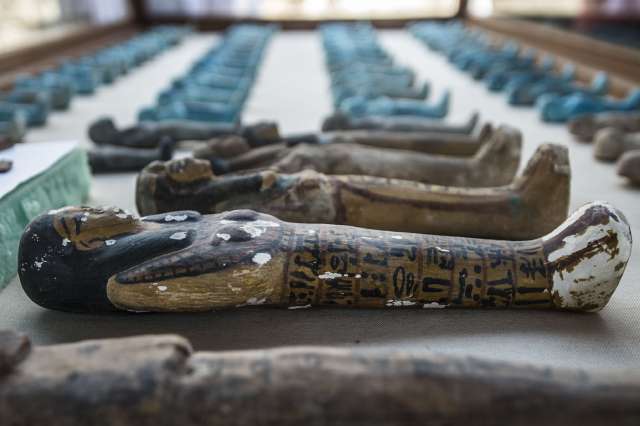
The Public Prosecution in Egypt has referred five defendants for trial on charges of illegal excavation of antiquities in the Al-Zeitoun area. This case comes at a sensitive time as the Egyptian government seeks to enhance its efforts to combat crimes related to antiquities, which pose a significant threat to the cultural and historical heritage of the country.
Excavating antiquities is one of the crimes that raises concern among Egyptian authorities, as the country is rich in historical artifacts dating back to various eras. Antiquities are an integral part of Egyptian cultural identity, making their preservation a national duty.
Details of the Case
The five defendants were referred to court after investigations proved their involvement in illegal excavation operations in the Al-Zeitoun area, known for its rich archaeological finds. Excavation tools were seized in their possession, strengthening the evidence against them. The trial is expected to begin soon, with the court set to examine the evidence presented by the prosecution.
This case is part of a series of measures taken by the Egyptian government to combat illegal excavation of antiquities. Security campaigns have been intensified in various archaeological areas, and many suspects in similar cases have been arrested in recent months.
Background & Context
Historically, Egypt has suffered from widespread looting of antiquities, especially during periods of political instability. These operations have led to the loss of many invaluable artifacts. In recent years, the Egyptian government has begun to take serious steps to protect cultural heritage, including enacting stricter laws to combat illegal excavation.
Egyptian antiquities are part of the human heritage, with many archaeological sites listed as UNESCO World Heritage Sites. Therefore, protecting these artifacts is not only a national responsibility but also a global one.
Impact & Consequences
The case of antiquities excavation in Al-Zeitoun exemplifies the challenges Egypt faces in preserving its cultural heritage. If this issue is not addressed seriously, it could lead to a proliferation of illegal excavation, threatening more artifacts.
This case is expected to impact Egypt's reputation in the field of archaeological tourism, as the Egyptian economy heavily relies on tourism. Any negative reports regarding illegal excavation could lead to a decline in tourist numbers, adversely affecting the local economy.
Regional Significance
The issue of antiquities excavation is a common problem in many Arab countries, where numerous nations suffer from the looting of cultural heritage. Strengthening cooperation among Arab countries to combat this phenomenon is essential for preserving shared cultural heritage.
Many Arab countries are seeking to enhance their laws to protect antiquities, reflecting an increasing awareness of the importance of cultural heritage. Protecting antiquities is not only a national responsibility but also a collective one that requires cooperation among nations.
In conclusion, the referral of defendants in the antiquities excavation case in Al-Zeitoun reflects Egypt's ongoing efforts to protect its cultural heritage. It is crucial that these efforts continue to ensure the preservation of antiquities for future generations.