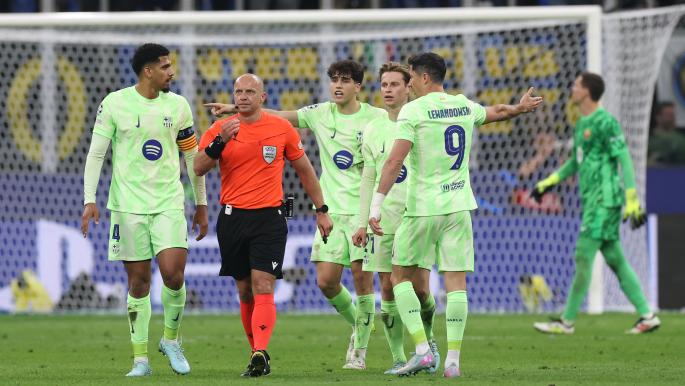
Polish referee Szymon Marciniak admitted to a refereeing mistake in the UEFA Champions League semifinal match, where the decision favored Barcelona. This acknowledgment has reignited discussions about the role of officiating in major matches, particularly in European tournaments characterized by intense competition.
Marciniak, aged 45, defended his decisions during the post-match press conference, indicating that officiating requires quick decision-making under high-pressure conditions. However, he conceded that there was an error in assessing one incident that impacted the course of the match.
Details of the Incident
In the match held between Barcelona and another team in the semifinal, several officiating decisions sparked significant controversy, with many analysts believing the referee played a crucial role in directing the outcome of the game. Marciniak noted that officiating is not merely a science but an art that demands experience and skill in handling various situations.
This admission comes at a sensitive time, as pressures on referees in European competitions are mounting, especially following criticisms they have faced in recent years due to some contentious decisions. The debate surrounding officiating has become an integral part of football, necessitating a reevaluation of how referees are trained and their skills developed.
Background & Context
Historically, European football has witnessed numerous instances that stirred controversy over officiating decisions. From World Cup matches to the Champions League, there have been pivotal moments affected by referees' calls, leading to demands for reforms in the officiating system. This issue is not new but resurfaces with each tournament.
In recent years, the introduction of Video Assistant Referee (VAR) technology aimed to enhance the accuracy of officiating decisions, yet it has also sparked debate over its application. Marciniak himself was among the referees who utilized this technology, complicating the discussion about the effectiveness of officiating in major matches.
Impact & Consequences
Admitting to a refereeing mistake can impact the referee's reputation and the teams involved. In the case of Barcelona, this error may lead to a reassessment of their performance in upcoming matches, while potentially inciting anger among rival teams' fans. Additionally, such admissions can affect players' trust in referees, creating further tension in matches.
On a broader level, this controversy could lead to calls for changes in how officiating is managed in European football, including improvements in training and better application of technology. The discussion surrounding officiating will continue to be a hot topic in sports circles.
Regional Significance
For the Arab region, football is one of the most popular sports, and the controversy surrounding officiating affects fans of Arab teams who passionately follow European tournaments. These events captivate audiences in the Arab world, where they closely monitor the performances of their favorite players in European clubs.
Moreover, good officiating is considered a crucial factor in enhancing the credibility of tournaments, impacting how Arab audiences receive these competitions. Under these circumstances, there may be a need to develop specialized officiating programs in Arab countries to elevate the standard of officiating in local tournaments.
This news highlights the crucial issue of officiating that significantly influences match outcomes in European football, raising questions about how to improve the officiating system. The acknowledgment of a refereeing error reflects the importance of transparency in the world of sports.