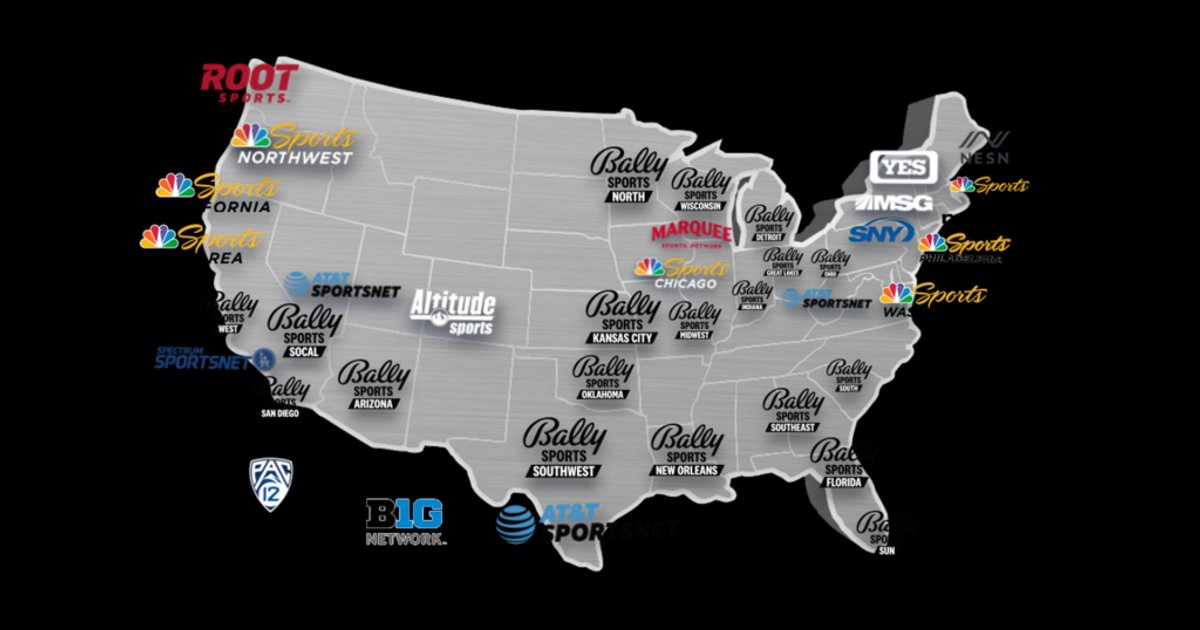
A number of regional sports networks are preparing to shut down, signaling the end of an era where these networks were highly profitable, while live sports continue to attract the highest viewership on television. This decline comes as consumers increasingly turn to streaming services, putting significant pressure on these networks.
Last week, with the start of the 2026 American baseball season, the Baseball Association announced that it would take over media distribution for 14 teams. This is partly due to the anticipated closure of Main Street Sports, formerly known as Fox Sports, which has undergone ownership changes since 2019.
Main Street Sports and Bankruptcy Challenges
Main Street emerged from bankruptcy protection in late 2024, and although it boasted subscriber growth last spring, it faced a new liquidity crisis this year when it was time to pay broadcasting rights to the Baseball Association. The network owned about 15 channels and at one point aired games for 30 teams across baseball, hockey, and basketball.
Despite earlier sales talks this year with companies like DAZN and Fubo, these discussions did not result in any deals. Rumors of the network's liquidation spread during the middle of the basketball and hockey seasons, but Main Street has so far managed to avoid that fate. Instead, baseball teams have begun moving to other distribution channels, with some teams like the Anaheim Angels and Atlanta Braves starting to produce and distribute their own regional channels.
Background & Context
Regional sports networks are a crucial part of the business model in professional sports, as they have paid high rights fees to host games, contributing to the support of major sports leagues like baseball, which is known for having some of the highest rights fees. With the decline of the regional sports network model, these changes are expected to significantly impact sports teams.
Teams that have already exited the regional sports network model are seeking refuge in streaming applications, which are costly for fans, or through agreements with broadcast station owners who offer the widest coverage for games. However, these advertising revenues are insufficient to support baseball as they are in basketball and hockey.
Impact & Consequences
Clearly, the end of the regional sports network model will have wide-ranging effects on sports teams. For example, MSG Networks, which broadcasts games for teams like the New York Knicks and New York Rangers, faced a significant financial crisis due to accumulated debt and disputes with service providers, bringing it to the brink of bankruptcy.
In the New York area, SNY, home to the New York Mets, explored its options last year, putting itself up for sale but failing to reach any deal. However, reports indicate that team owner Steve Cohen was part of the discussions as a potential buyer.
Regional Significance
These developments are particularly significant for the Arab region, where American sports like basketball and baseball are gaining popularity. Changes in the broadcasting model may affect how these sports are covered in Arab countries, as local networks may turn to new live streaming models to attract viewers.
In conclusion, this decline in regional sports networks indicates a major shift in how sports are consumed, requiring teams and networks to rethink strategies to adapt to this changing reality.