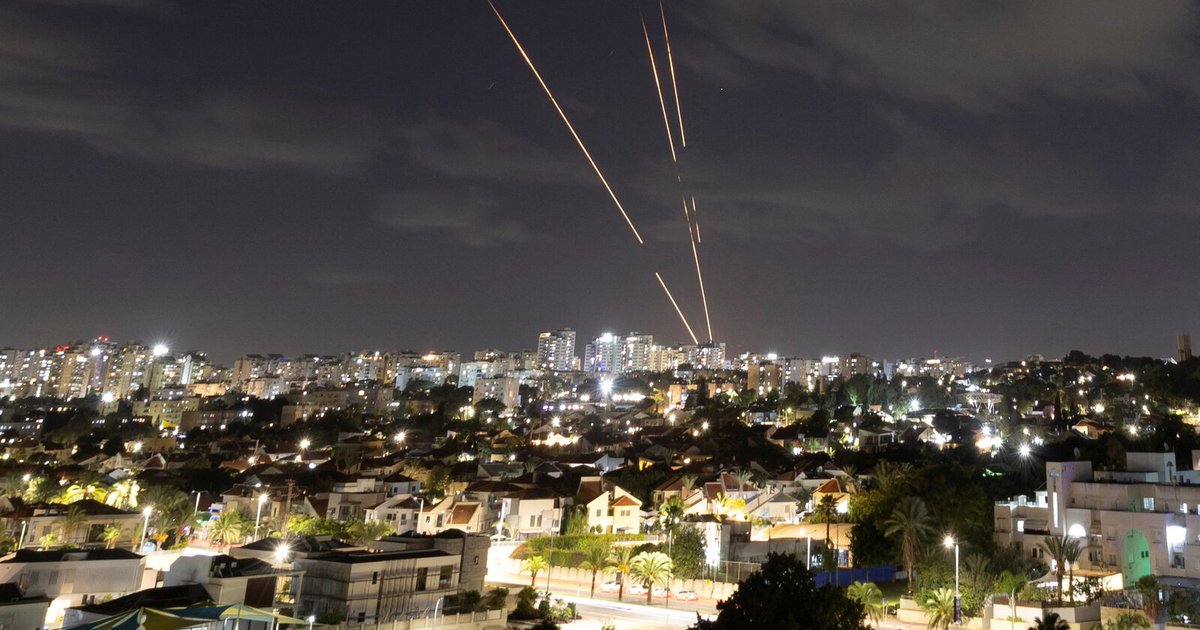
Hassan emphasized that the region is facing a regional war with clear global repercussions, significantly impacting all countries. These statements come at a time when tensions in the region are escalating, necessitating an immediate response from the international community.
In light of the multiple crises gripping the region, Hassan pointed out that the effects of this war are not limited to the conflicting nations alone but extend to all countries whose interests are intertwined with the ongoing events. These circumstances require major powers to reassess their strategies in dealing with regional crises.
Details of the Event
Tensions in the region are rising, with several countries experiencing armed conflicts and political crises. These conflicts affect regional stability, complicating the political landscape. Hassan, speaking in the context of these events, highlights the importance of cooperation among nations to face these challenges.
He also added that military solutions will not be sufficient; they must be accompanied by effective diplomatic efforts. It is essential for countries to adopt policies aimed at achieving peace and stability rather than getting caught up in a cycle of violence.
Background & Context
Historically, the region has witnessed numerous conflicts that have led to destabilization. These wars often have global repercussions, affecting global markets and oil prices, which in turn reflects on the global economy. In recent years, the intensity of these conflicts has increased, making it imperative for countries to adopt new strategies to deal with crises.
These events are part of a series of crises plaguing the region, ranging from internal disputes to external interventions. These dynamics make it difficult to achieve lasting peace, requiring coordinated efforts from all parties involved.
Impact & Consequences
The repercussions of this war transcend regional borders, impacting the global economy and international security. Countries that rely on importing oil from the region may face price fluctuations, affecting their economies. Additionally, humanitarian crises resulting from conflicts may lead to an influx of refugees, increasing pressure on neighboring countries.
Furthermore, the escalation of tensions could exacerbate security situations, making it challenging to achieve stability. These conditions call for the international community to take effective steps to address the crises, including providing support to affected countries.
Regional Significance
The Arab region is among the most affected by these events, with many countries suffering from internal and external conflicts. These crises impact economic and social development, increasing the suffering of the populations. It is crucial for Arab nations to collaborate to face these challenges by enhancing dialogue and cooperation.
In conclusion, the current situation requires an urgent response from all concerned parties. There must be a consensus on the importance of achieving peace and stability, adopting effective policies that enhance opportunities for dialogue and cooperation among nations.