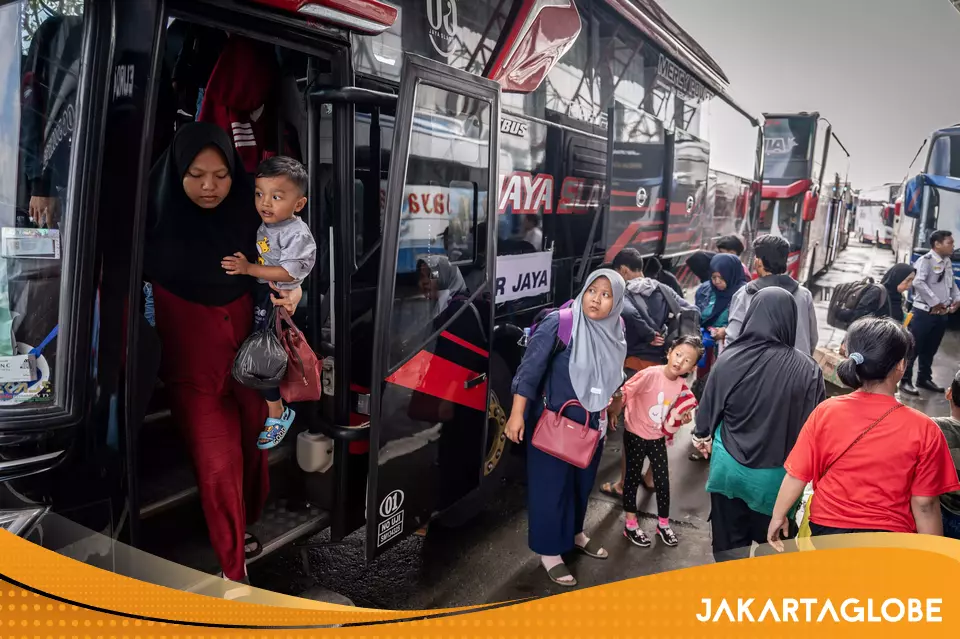
The population management department in West Jakarta, the capital of Indonesia, has recorded a significant number of new arrivals after this year's Eid al-Fitr, totaling 486 individuals. Among these, there are 241 males and 245 females, whose data has been officially entered into the population records.
Jantina Arifin, head of the population and civil registration department in West Jakarta, stated that this figure represents preliminary results from the new arrivals registration process. She noted that the department has already begun providing various administrative services to citizens, including national identity card registration and family card renewals.
Details of the Registration Process
The registration process for new arrivals will continue until April 20, 2026, and is being implemented gradually throughout West Jakarta. Arifin explained that the department is working to facilitate the address transfer procedures for new arrivals to become citizens of Jakarta, in addition to offering national identity card registration and family card renewals to those in need.
She also urged all neighborhoods and districts in West Jakarta to actively participate in the new arrivals registration process during this period. She emphasized that the period from April 16 to 20 will be crucial for implementing these services.
Background & Context
Jakarta is considered one of the largest cities in Southeast Asia, attracting many newcomers from various regions in Indonesia. This influx is largely due to the economic opportunities available in the city, alongside advanced educational and healthcare services. Each Eid al-Fitr sees an increase in migration to the city, necessitating the organization and official registration of these newcomers.
Historically, Indonesia has experienced waves of internal migration, with people moving from rural areas to urban centers in search of better opportunities. This trend requires the government to take effective steps to ensure the registration of these newcomers and provide the necessary services.
Impact & Consequences
The registration of new arrivals has significant implications for urban planning and public services in Jakarta. As the population grows, there is an increasing need to provide infrastructure and essential services such as education and healthcare. Additionally, registering these newcomers contributes to improving urban planning and the more effective distribution of resources.
Moreover, the presence of a large number of new arrivals can boost the local economy by increasing demand for goods and services, leading to the creation of new job opportunities. However, this also requires the government to take measures to ensure that public services do not become overwhelmed.
Regional Significance
Jakarta's experience in registering new arrivals serves as a model that some Arab countries facing similar challenges in managing internal migration can benefit from. In many Arab nations, the number of migrants from rural to urban areas is increasing, highlighting the need for effective organization of this phenomenon.
Arab countries can learn from Jakarta’s lessons on how to handle this issue, including the importance of registering newcomers and providing necessary services to ensure their integration into society.
As the registration of new arrivals in Jakarta continues, it becomes clear that there is an urgent need to develop effective strategies for managing internal migration. These steps are not only crucial for improving the quality of life in the city but also for ensuring the sustainability of economic and social growth.