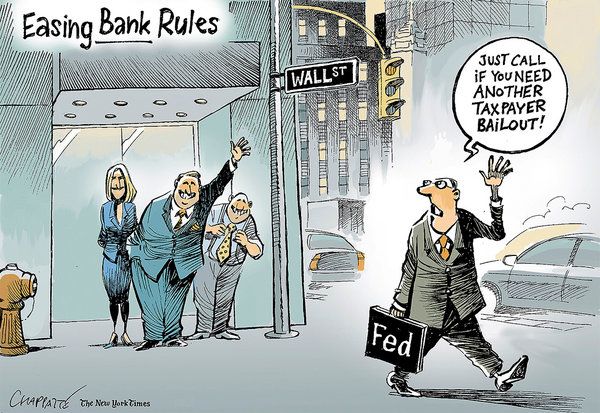
Reports indicate that regulators under the Trump administration are reshaping rules, potentially making it more challenging for banks to close customer accounts due to suspicious behaviors. This move comes amid growing concerns about financial transparency in the US banking system, as regulators seek to balance customer protection with preventing banks from abusing their power.
The proposed changes suggest that banks may face greater restrictions when making decisions about closing customer accounts, which could lead to an increase in the number of customers retaining their accounts even amid doubts regarding their financial behavior. This situation may raise alarm among many observers who believe that this step could facilitate the proliferation of illicit financial activities.
Details of the Event
The proposed changes include a reevaluation of the criteria banks use to determine whether they should close customer accounts. Previously, banks had broad authority in making such decisions, but the new amendments may limit this power. Some believe this move aims to protect customer rights, while others argue it could open the door to illicit activities.
These changes are expected to affect how banks interact with customers, especially in cases involving large financial transfers or activities that may be deemed suspicious. Additionally, these amendments could heighten tensions between banks and regulatory authorities, as each party seeks to achieve its own objectives.
Background & Context
Historically, US banks have enjoyed considerable freedom in making decisions regarding the closure of customer accounts. However, recent years have seen increased scrutiny from regulatory bodies, particularly following the financial crises that the country has experienced. These crises have led to growing calls from lawmakers and watchdogs for enhanced transparency and accountability within the financial system.
These changes are part of the Trump administration's efforts to ease regulatory constraints on the financial sector, with many officials believing that reducing these restrictions will foster economic growth. However, these policies may raise concerns about the potential risks arising from an increase in illicit financial activities.
Impact & Consequences
The new changes may lead to a rise in the number of customers who retain their accounts at banks, even amid doubts about their behavior. This situation could place banks in a difficult position, as they must balance protecting customer rights with ensuring that the system is not exploited by individuals seeking to engage in illegal activities.
Furthermore, these changes may increase pressure on regulatory bodies, which will need to develop new strategies to monitor financial activities and ensure that illicit activities do not proliferate. This pressure could lead to tensions between banks and regulatory authorities, potentially impacting the overall stability of the financial system.
Regional Significance
In light of these changes, the Arab region may experience indirect effects on its financial system. As many Arab banks follow similar models in managing customer accounts, these changes could inspire some banks in the region to reevaluate their account closure policies.
Moreover, the increase in illicit financial activities in the United States may influence financial systems in Arab countries, as these nations may seek to enhance oversight of financial activities to ensure they are not adversely affected by negative developments in global markets.
In conclusion, with the new regulatory changes, the US banking system faces new challenges that require a delicate balance between protecting customer rights and ensuring financial transparency. These changes may affect how banks interact with customers in the future, raising questions about the potential impact on financial activities in the Arab region.