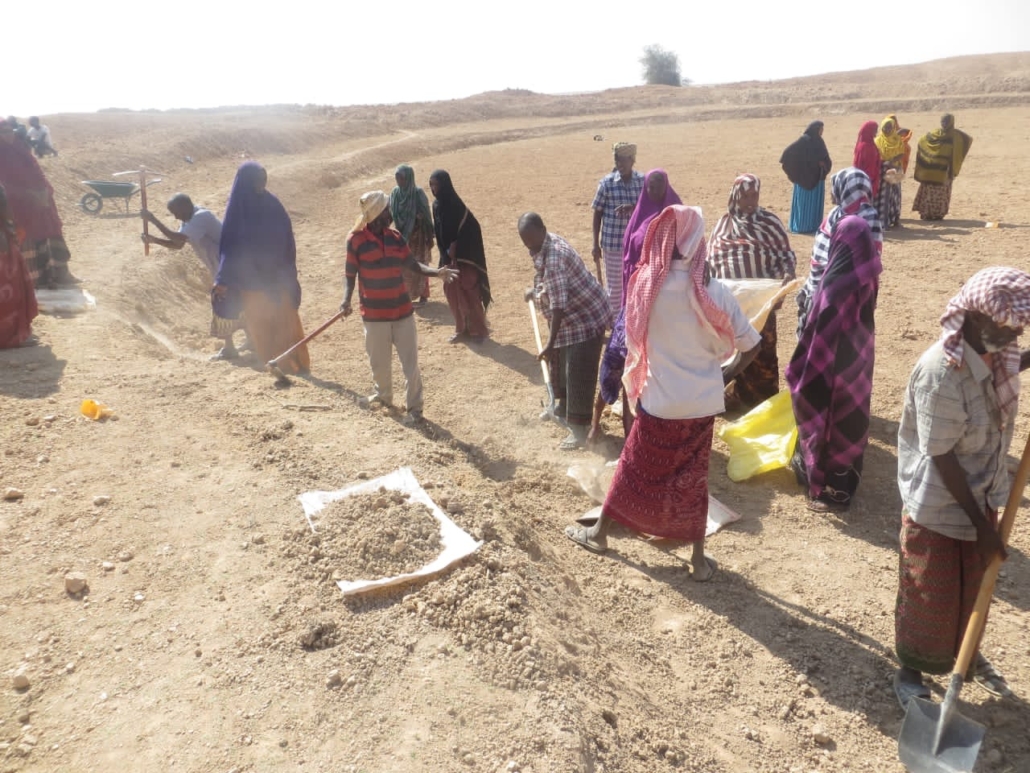
The Indonesian government of Aceh is prioritizing infrastructure rehabilitation as a key component of its 2027 development plan. This initiative is part of ongoing recovery efforts following the natural disasters that have impacted the region in recent years. The announcement comes at a critical time as the government seeks to enhance the region's capacity to face future challenges.
The government's plan includes a focus on rehabilitation and construction projects, which will contribute to improving the quality of life for local residents and boosting the economy. Key areas have been identified, including roads, bridges, and public facilities that require urgent repairs.
Details of the Rehabilitation Plan
Reports indicate that the government will allocate a significant budget for this project, with details expected to be announced in the coming weeks. The government will also collaborate with non-governmental organizations and the private sector to ensure that projects are implemented efficiently and effectively.
These steps come in the wake of a series of natural disasters that have severely affected infrastructure in Aceh, including earthquakes and floods, which necessitated urgent government intervention.
Background & Context
Historically, Aceh has experienced numerous natural disasters that have impacted the lives of its residents. In 2004, the region was struck by a devastating earthquake and tsunami, resulting in thousands of deaths and widespread destruction. Since then, reconstruction efforts have begun, but there remains an urgent need to improve infrastructure.
Impact & Consequences
This initiative is expected to improve living conditions for residents and enhance the local economy. Improved infrastructure will help attract both foreign and local investments, thereby increasing job opportunities and reducing unemployment rates. Furthermore, rehabilitating infrastructure will strengthen the region's ability to cope with future disasters, thereby reducing risks to residents and property.
Regional Significance
The rehabilitation of infrastructure in Aceh is a crucial step towards enhancing sustainable development and improving the quality of life for residents, contributing to building a more resilient community. The experience of Aceh can serve as a model for other countries facing similar challenges.
In conclusion, the government's commitment to infrastructure rehabilitation not only addresses immediate needs but also lays the groundwork for long-term development and resilience against future disasters.