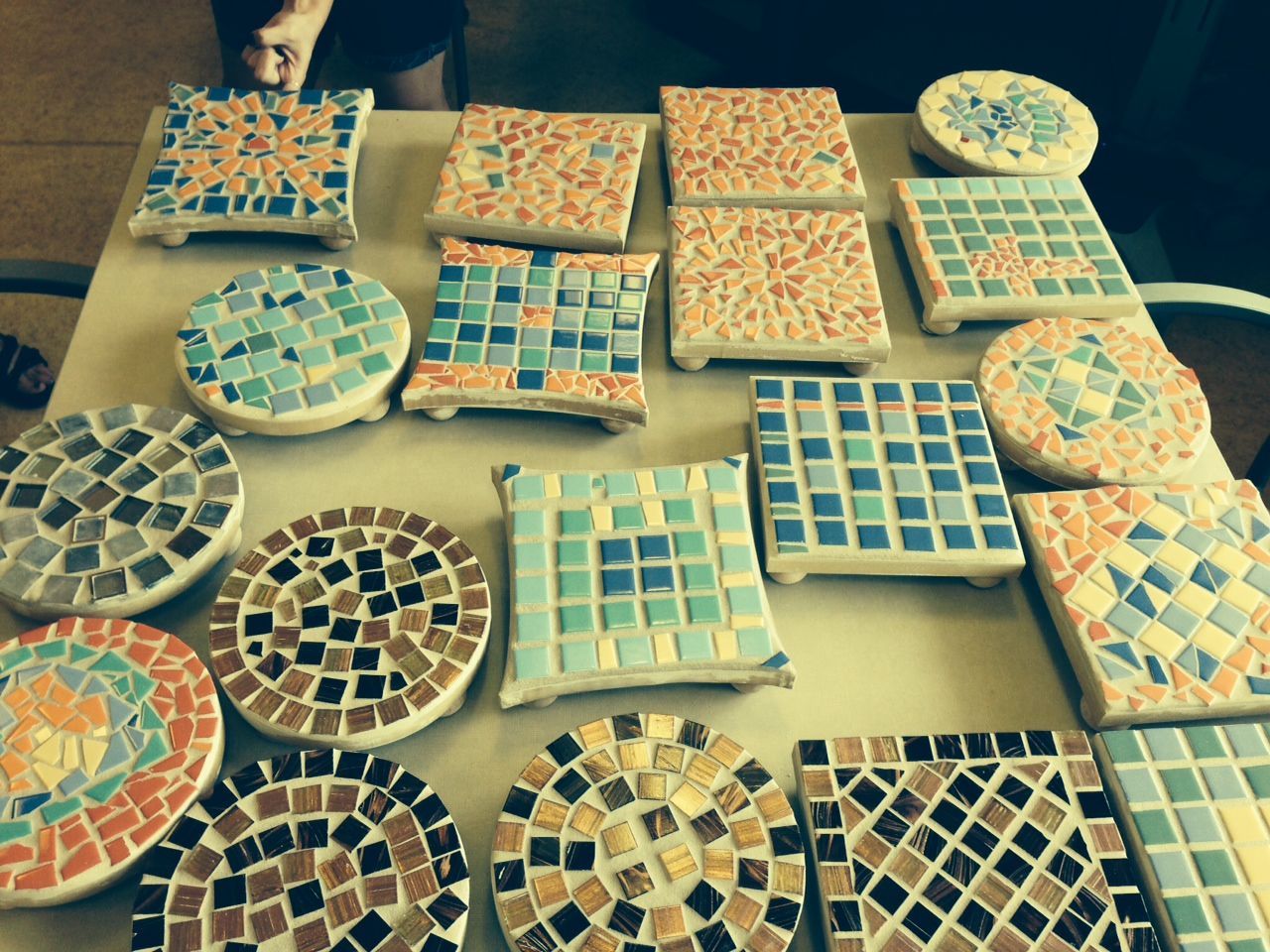
Jordanian artist Darwish has revealed his new art project that aims to reimagine the memories of wood and tile, weaving artistic tales that reflect the history and culture of communities. The artwork addresses the details of daily life and revives heritage in an innovative style.
Darwish's vision is manifested in his use of wood and tile as artistic mediums, where he collects pieces of discarded wood and tile and reshapes them into artworks that carry stories and tales from the past. This project is not just an art exhibition; it is an invitation to reflect on the cultural and heritage roots that shape the identity of communities.
Event Details
In his latest exhibition, Darwish demonstrated how wood and tile can transform into vibrant artistic canvases. The artist employed modern techniques in composition and design, adding a new aesthetic dimension to the works. He also emphasized the importance of preserving cultural heritage amidst the rapid changes that communities are experiencing.
The artworks feature a diverse array of colors and shapes, reflecting the cultural and environmental diversity of the region. These works have received significant acclaim from critics and the public alike, as they believe Darwish has successfully conveyed a powerful message about the importance of heritage.
Background & Context
Darwish's works come at a time when the Arab world is witnessing a growing interest in both traditional and modern arts. In recent years, many Arab countries have begun to revive folk and heritage arts, reflecting communities' desire to preserve their cultural identity.
Historically, wood and tile have been fundamental materials in architecture and folk arts in the Arab world. Artisans used them to create furniture and decorations, making them an integral part of cultural heritage. However, economic and social changes have led to a decline in this art, making Darwish's efforts to revive it significant.
Impact & Consequences
Darwish's works contribute to enhancing cultural awareness among new generations, opening new horizons for them to understand their history and identity. These works also encourage the exploration of traditional arts in a contemporary style, contributing to the development of the artistic scene in the region.
Moreover, Darwish's success in drawing attention to cultural heritage may inspire other artists to adopt similar approaches, thereby strengthening the artistic movement in the Arab world and encouraging innovation in the use of traditional materials.
Regional Significance
Darwish's experience serves as a model for how to integrate traditional arts with modern techniques. Amid the challenges facing Arab communities, these works can help foster pride in cultural heritage and encourage dialogue between different cultures.
By reviving traditional arts, Arab countries can enhance their status on the global artistic stage, contributing to building cultural bridges with other peoples. The arts are not merely expressions of beauty; they are a means of communication and understanding between cultures.