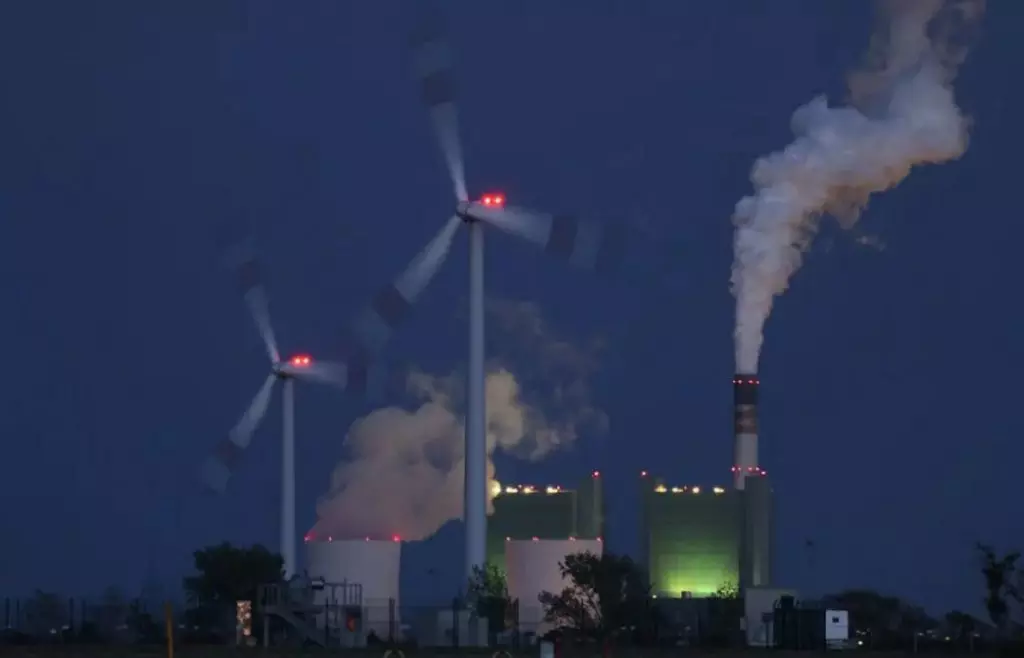
The energy crisis is intensifying in many countries due to disruptions caused by ongoing conflicts in the Middle East. Under these circumstances, some governments are turning to coal as an available energy source, despite the environmental risks associated with it. This return to coal reflects the urgent need to secure energy, but it raises questions about the commitment of nations to their climate goals.
While countries strive to reduce carbon emissions, the return to coal as a quick energy option may be a step backward. Reports have shown that many European and Asian countries have begun to restart coal plants to meet the rising energy demand, raising concerns about the impact on the environment and climate.
Details of the Energy Crisis
Governments are under increasing pressure to secure energy supplies amid rising gas and oil prices due to geopolitical conflicts. Data has shown that countries like Germany and Poland have started to ramp up coal production, reflecting a shift in their energy strategies. This shift comes at a sensitive time, as nations aim to achieve their climate goals by 2030.
Although coal is one of the most polluting energy sources, some governments view it as a temporary solution to address the energy crisis. Experts have pointed out that this option could exacerbate the climate crisis, as coal significantly contributes to greenhouse gas emissions.
Background & Context
Historically, coal has been one of the main sources of energy in many countries, but it has been declining in recent years due to environmental pressures. However, the current conflicts in the Middle East, such as the war in Ukraine, have led to disruptions in energy supplies, bringing coal back to the forefront as a quick option.
Many countries are striving for a transition to renewable energy, but current challenges may hinder this shift. Relying on coal as a temporary solution could have long-term environmental impacts, necessitating a reevaluation of energy strategies.
Impact & Consequences
The return to coal could worsen the climate crisis, as increased coal usage may lead to higher pollution levels. Scientists have warned that this trend could undermine global efforts to reduce carbon emissions, making it difficult to achieve the climate goals set in the Paris Agreement.
Moreover, reliance on coal could impact the global economy, as increased demand for coal may lead to rising prices and heightened geopolitical tensions. This situation could create new challenges for countries dependent on fossil fuels.
Regional Significance
The implications of returning to coal are significant not only for individual countries but also for regional stability. As nations grapple with energy security, the choice to revert to coal may affect international relations and economic partnerships.
In conclusion, the current reliance on coal as a temporary energy solution poses serious questions about sustainability and long-term environmental health. Countries must balance immediate energy needs with their commitments to climate action.