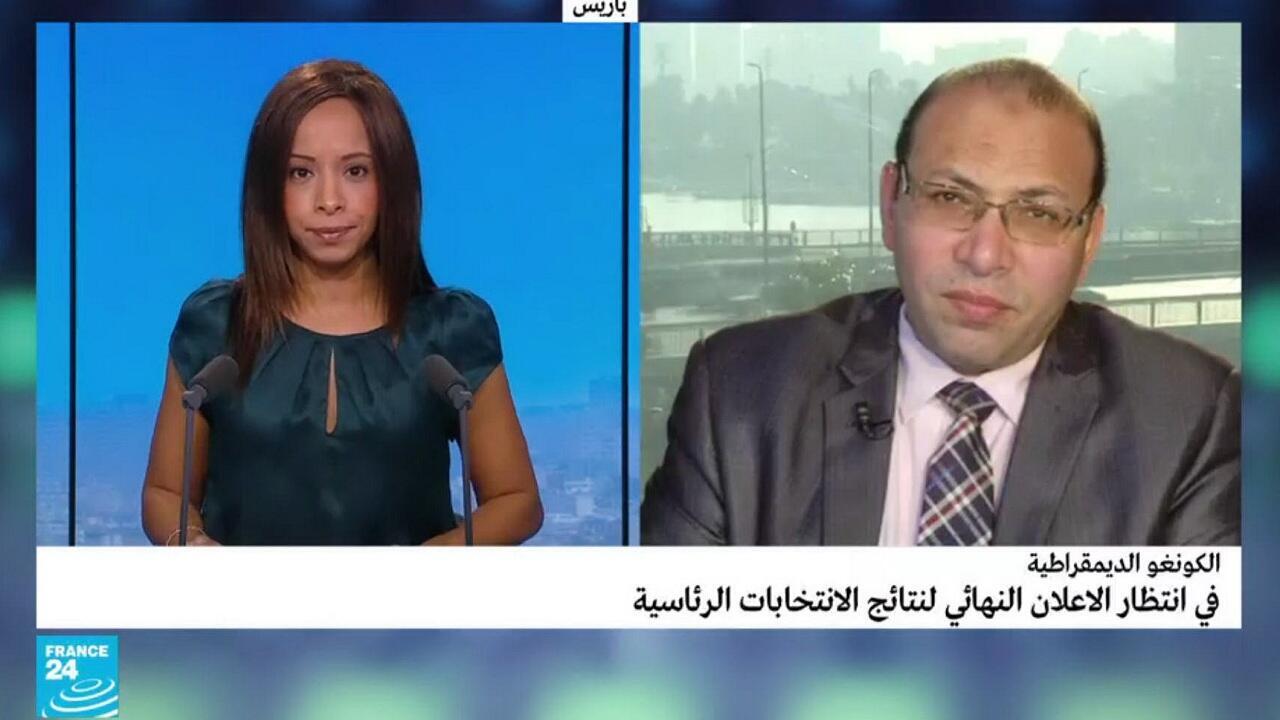
Milain Distang Gavi Elingo, the candidate of the Republican Movement for the presidential elections in Congo Brazzaville, announced his outright rejection of the preliminary results that showed him in third place with 0.87% of the votes. Elingo considered the electoral process to be nothing more than a 'mock election,' urging for a comprehensive national dialogue to emerge from the political crisis the country is experiencing.
A report issued by the candidate's national campaign management highlighted the existence of violations and irregularities in the electoral process, emphasizing the significant gap between the official results announced by the Minister of the Interior on March 17 and the data collected by the candidate's representatives in several polling stations.
Details of the Event
In his statements, Gavi Elingo said: 'If we take into account the fraud, manipulation, and ballot stuffing, we are far from being in third place; on neutral ground, we are the winners.' Elingo's campaign estimated the voter abstention rate at 65%, asserting that the actual participation did not exceed 35%, and that the official figures were inflated to conceal a 'widespread boycott' by the people and the diaspora.
The campaign manager stressed that 'the conditions of justice, transparency, and institutional neutrality were not respected, and the announced results do not reflect the true will of the Congolese people.' In a controversial move, Gavi Elingo decided not to file a complaint with the electoral judiciary, considering this institution to be 'based on falsehood' and that resorting to it would be 'a waste of time.'
Context and Background
These elections come amid a tense political atmosphere in Congo Brazzaville, where the country has witnessed numerous protests and demonstrations against the government in recent years. The nation has suffered from successive economic and social crises, which have heightened public discontent. The current elections were hoped to be an opportunity to renew the political landscape, but they appeared to reflect the continuation of the crisis.
Historically, Congo Brazzaville has experienced several controversial elections, with the government often accused of manipulating results. The country has faced internal conflicts that have led to deep divisions within society, making it difficult to achieve political stability.
Consequences and Impact
Gavi Elingo's rejection of the results could lead to escalating political tensions in the country, potentially prompting his supporters to organize widespread protests. His call for a comprehensive national dialogue may open the door for other political forces to participate in the political process, which could contribute to finding solutions to the current crisis.
If the situation continues in this manner, the country may head towards further unrest, raising concerns among the international community regarding the stability of the region. These developments could also affect Congo Brazzaville's foreign relations, especially with neighboring countries facing similar crises.
Impact on the Arab Region
The events in Congo Brazzaville exemplify the challenges faced by many countries in the African region, where numerous nations are suffering from political and economic instability. These crises may impact regional security, necessitating the attention of Arab countries and the international community.
Moreover, the political experiences in Congo Brazzaville could provide valuable lessons for Arab countries undergoing transitional phases, where there may be an urgent need to adopt comprehensive national dialogue that ensures the participation of all political parties in decision-making.
In conclusion, the rejection of the election results in Congo Brazzaville reflects a state of public dissatisfaction and indicates the necessity to reconsider the entire political process. This moment could be an opportunity for radical change in the political landscape, but it also carries the risks of escalation and unrest.