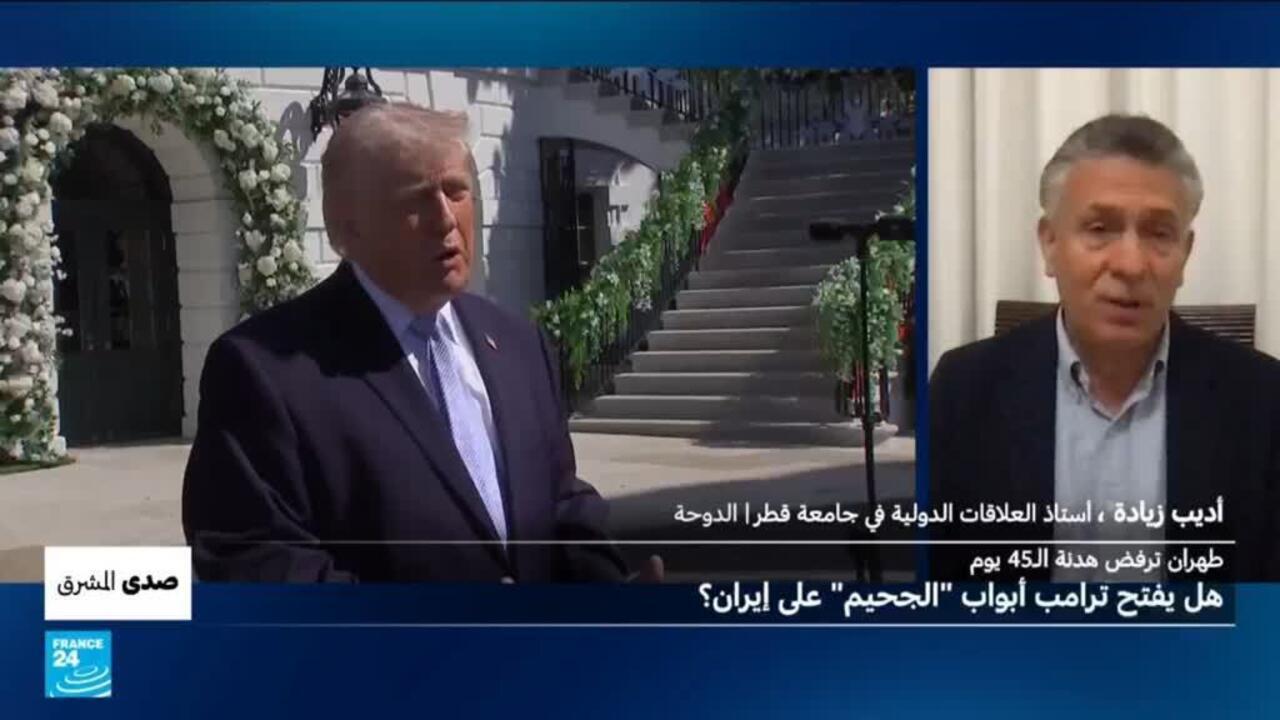
Iran has rejected a ceasefire offer made by US President Donald Trump, raising questions about the potential escalation of tensions between the two countries. As the deadline approaches, observers are speculating on Trump's next steps.
This development comes at a sensitive time as Trump seeks to exert greater pressure on Tehran amid rising tensions in the region. Trump has previously indicated that he may take stringent actions against Iran if it does not respond to his demands.
Details of the Event
In the final hours before the deadline set by Trump, Tehran rejected the ceasefire proposal that extends for 45 days. This rejection places relations between the two countries on the brink, heightening fears of military escalation. The Iranian decision comes at a time when international pressures on Tehran are increasing due to its nuclear program and regional behavior.
Trump, who is facing domestic criticism regarding his foreign policy, may find himself compelled to take more hardline measures. Some observers have suggested that these measures could include imposing new sanctions or even taking military action, which some have described as opening the gates of "hell" on Iran.
Background & Context
Historically, US-Iran relations have experienced significant fluctuations, ranging from cooperation to tension. Since Trump's withdrawal from the nuclear agreement in 2018, tensions have notably escalated. The economic sanctions imposed by the United States on Iran have led to a deterioration of the country’s economic situation, exacerbating internal crises.
Iran seeks to bolster its regional position by supporting its allies in the region, such as Hezbollah in Lebanon and the Houthis in Yemen. This support reflects Iran's strategy to counter US pressures and complicates the regional landscape.
Impact & Consequences
Iran's rejection of the ceasefire could lead to a potential military escalation, threatening stability in the Middle East. If Trump decides to take stringent actions, this could pave the way for further tensions and may provoke military responses from Iran.
Additionally, escalating tensions could impact global oil markets, as many countries rely on stability in the region. Any military escalation could lead to rising oil prices, affecting the global economy.
Regional Significance
Arab countries are directly affected by the developments in US-Iran relations. An escalation of tensions could increase security concerns in Gulf states and bolster calls for enhanced security cooperation among these nations.
The situation in Iraq and Syria could also be significantly affected, as Iran seeks to strengthen its influence in these countries. Any escalation could worsen humanitarian crises in the region and increase civilian suffering.
In conclusion, the situation in the region remains tense, and much depends on how Trump responds to Iran's rejection. The coming days could be crucial in determining the trajectory of US-Iran relations.