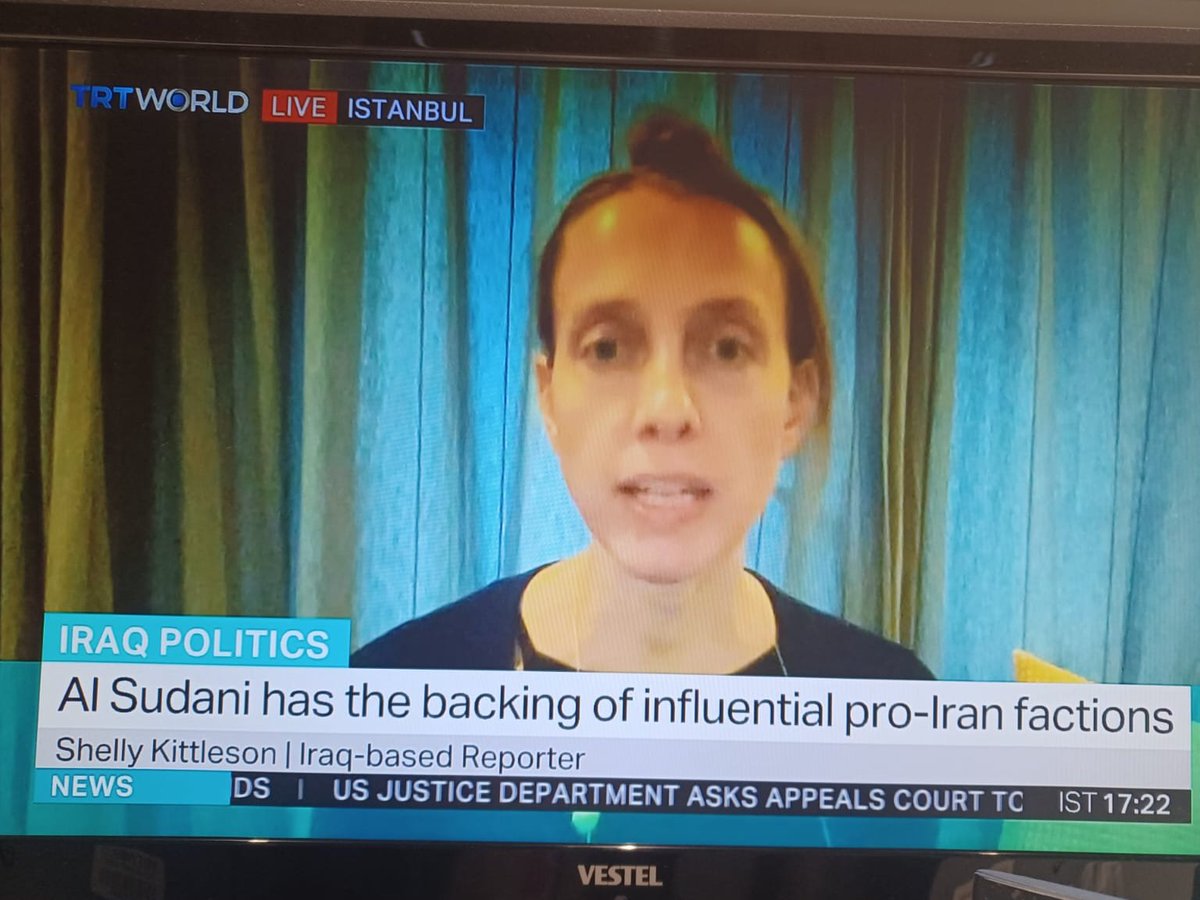
American journalist Shelly Kitlson has been freed after being kidnapped in Iraq for a week. Her release followed negotiations with a militia connected to Iran, with reports indicating that it was part of a deal involving members of this militia.
Kitlson, who has been in the journalism field for years, is among the journalists facing significant risks in conflict zones. Her kidnapping raised widespread concern within media circles, with reports circulating about her experiencing harsh treatment during her captivity.
Details of the Incident
Shelly Kitlson was abducted in Iraq while covering ongoing events in the country. She was held by a militia associated with Iran, highlighting the ongoing tensions in the region. According to sources, her release came after negotiations with Iraqi authorities, reflecting the complexities of the security situation in Iraq.
This incident occurs at a sensitive time, as the country is witnessing an escalation in armed activities and political tensions. The event has sparked widespread reactions from human rights organizations calling for the protection of journalists in conflict areas.
Background & Context
Historically, Iraq has seen numerous cases of journalist kidnappings, especially during periods of conflict. This phenomenon has been closely linked to armed militias seeking to exert control over information. Journalists in Iraq are among the most endangered, facing continuous threats from various factions.
It is noteworthy that Iraq has undergone significant transformations since the American invasion in 2003, leading to the disintegration of the security system and increased chaos. These conditions have contributed to the emergence of armed militias pursuing their own agendas, further endangering journalists working in the country.
Impact & Consequences
The release of Kitlson may open the floor for further discussions regarding the protection of journalists in conflict zones. This incident underscores the urgent need for effective mechanisms to ensure the safety of journalists while covering events. Additionally, this case could impact relations between Iraq and the United States, particularly amid ongoing tensions with Iran.
Kitlson's release may encourage other journalists to continue their work in Iraq, but at the same time, it raises concerns about their safety. The current situation calls for an international response to ensure the protection of journalists and to promote freedom of expression in the region.
Regional Significance
The issue of journalist kidnappings in Iraq is part of a broader phenomenon in the Arab region, where journalists in many countries face similar risks. Events in Iraq may inspire journalists in other nations to persist in their work despite the dangers, yet they also highlight the challenges facing press freedom in the region.
Ultimately, the release of Shelly Kitlson represents a victory for journalism, but it also sheds light on the dangers journalists face in conflict zones. The current situation requires collective efforts to ensure the safety of journalists and to promote freedom of expression in the Arab world.