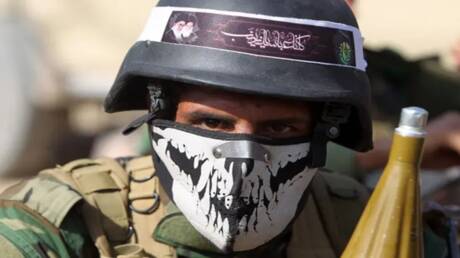
Iraqi Hezbollah announced the release of American journalist Shelly Kitlson on Tuesday. This announcement follows a period of her detention, raising questions about the circumstances of her captivity and the negotiations that led to her release.
Kitlson is considered one of the prominent journalists covering Iraqi affairs, and she had previously gone missing, causing widespread concern in media and political circles. Iraqi Hezbollah confirmed that her release came after intensive efforts, but details of the negotiations have not been disclosed.
Details of the Event
In his statements, Al-Assaf indicated that Kitlson's release was part of efforts aimed at enhancing security and stability in Iraq. He also affirmed that Iraqi Hezbollah is committed to protecting journalists and facilitating their work in the country. However, the circumstances that led to her detention remain unclear, raising questions about the safety of journalists operating in conflict zones.
It is worth noting that Kitlson is not the only journalist to have faced detention in Iraq, as the country has witnessed similar cases in recent years, reflecting the challenges media outlets face in covering events in conflict areas.
Background & Context
Historically, Iraq has seen numerous cases of journalist detentions, especially amid tense security conditions. Since the American invasion in 2003, journalistic work in Iraq has become fraught with danger, with many journalists facing detention or even death while covering events. This has led to a decline in press freedom in the country, raising concerns among international human rights organizations.
In recent years, the Iraqi government has attempted to improve the working environment for journalists, but challenges persist. The presence of armed groups like Iraqi Hezbollah complicates the situation, as they can impact freedom of expression and journalists' rights.
Impact & Consequences
The release of Kitlson is seen as a positive step that could contribute to improving Iraq's image as a safe destination for journalists. However, this event highlights the ongoing risks that media outlets face in the country. This release may enhance trust between journalists and security entities, but it simultaneously raises questions about how to protect journalists in the future.
This event may also affect relations between Iraq and the United States, as the issue of journalists is a sensitive topic for the U.S. government. The United States may seek to increase pressure on the Iraqi government to improve working conditions for journalists, which could impact bilateral relations.
Regional Significance
The issue of journalists in Iraq serves as an example of the challenges faced by media outlets in many Arab countries. Many nations suffer from restrictions on press freedom, affecting journalists' ability to perform their work freely and safely. Kitlson's release may shine a light on these issues in the region, potentially prompting further pressure on governments to improve working conditions for journalists.
Ultimately, there is hope that Kitlson's release will contribute to improving the working environment for journalists in Iraq, allowing them to perform their duties freely and safely, thereby enhancing their role in conveying facts and information to the public.