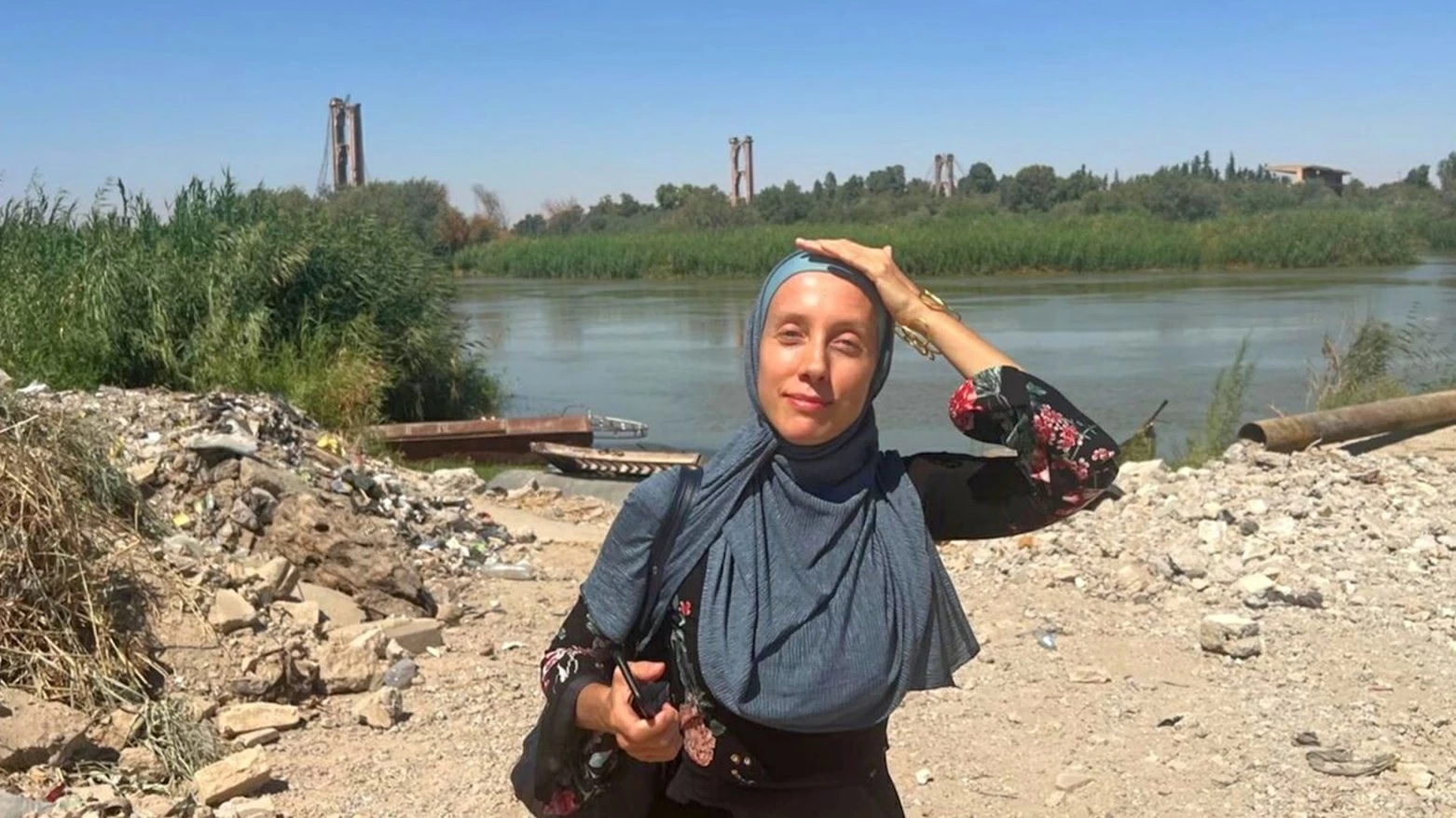
The Iraqi Hezbollah announced today, Tuesday, the release of American journalist Shelly Kitlson, who was kidnapped in Baghdad on March 31. The armed group, allied with Iran, confirmed that Kitlson must leave Iraq immediately.
In a statement, the security official of Hezbollah, Abu Mujahid Al-Asaf, indicated that the decision to release Kitlson came after assessing the situation, noting that this initiative would not be repeated in the future. Al-Asaf considered the American journalist to be accused of illegal activities in Iraq, pledging to reveal details of those activities in the coming days.
Details of the Incident
Shelly Kitlson, an independent journalist residing in Rome, is known for her coverage of events in conflict zones, including Afghanistan, Iraq, and Syria. She has contributed to numerous publications, including The Monitor, where she gained recognition for her bold reports reflecting the realities of war.
Kitlson was kidnapped in Baghdad, raising widespread concern among journalistic and political circles. The U.S. State Department confirmed in early April that there was a link between the suspects in her kidnapping and Hezbollah, complicating the security situation in Iraq.
Background & Context
The issue of journalist kidnappings in Iraq is one of the sensitive matters, as the country has witnessed many similar incidents in recent years. Concerns have increased regarding the targeting of journalists by armed groups, posing significant challenges to press freedom in the region.
Historically, Hezbollah has been part of the complex conflict in Iraq, being associated with violent operations against American and Iraqi forces. This context makes Kitlson's case an example of the dangers faced by independent journalism in conflict areas.
Impact & Consequences
The release of Kitlson may ease tensions between armed groups and Iraqi authorities, but it raises questions about the safety of journalists in Iraq. Recent statements from Hezbollah suggest that the group may be willing to adopt a more cautious approach toward foreign journalists.
This event reflects the ongoing challenges faced by freedom of expression in Iraq, where journalists must operate in a perilous environment. Additionally, this situation may affect the coverage of events in the region, limiting journalists' ability to convey the truth independently.
Regional Significance
Kitlson's case exemplifies the ongoing tensions between armed groups and Western countries, impacting relations between Iraq and the United States. This event may provoke reactions in other Arab countries experiencing similar conflicts, where journalists must work under difficult conditions.
In conclusion, the release of Kitlson is a positive step, yet it remains a reminder of the dangers faced by journalism in conflict zones. Issues of freedom of expression must remain at the forefront of the international agenda to ensure the safety of journalists and empower them to fulfill their role in conveying the truth.