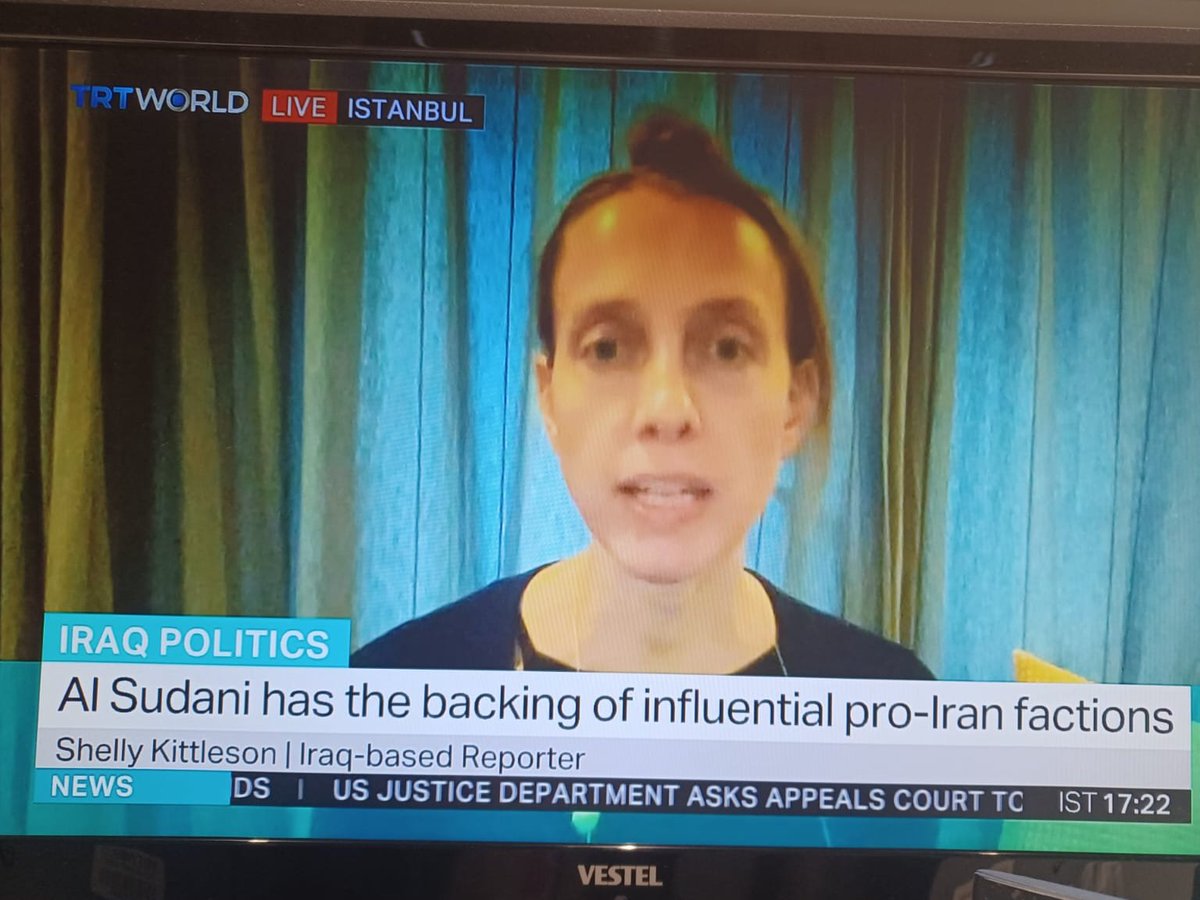
Iraqi Hezbollah announced on Tuesday evening that it will release American journalist Shelly Kittleson, who has been kidnapped for about a week in Baghdad. Security official Abu Mujahid Al-Asaf stated in an official statement that the decision to release her comes as a gesture of appreciation for the national positions of the outgoing Prime Minister, noting that this initiative will not be repeated in the near future.
This move comes at a sensitive time for Iraq, as the current government seeks to enhance security and stability in the country. Kittleson's kidnapping raised widespread concern in media and international circles, prompting many humanitarian organizations to call for her release. This decision is seen as a positive step towards improving Iraq's image in the international community, especially amid the security and political challenges facing the country.
Details of the Event
American journalist Shelly Kittleson was kidnapped in Baghdad a week ago, which sparked widespread reactions from media outlets and human rights organizations. Reports circulated about international pressure on the Iraqi government to secure her release, which contributed to expediting the process. Al-Asaf confirmed that the group hopes this step will help strengthen relations between Iraq and the United States.
At the same time, Al-Asaf emphasized that the group remains committed to its principles and goals, and that this release does not signify a change in its policy. He also pointed out that the group will continue to work towards achieving its national objectives, stressing the importance of dialogue and understanding with the Iraqi government.
Background & Context
Historically, Iraq has witnessed numerous kidnapping incidents, especially involving foreign journalists, reflecting the security challenges the country faces. This phenomenon has increased in recent years, leading to a deterioration of the security environment in some areas. Kittleson is one of many journalists who have faced risks while covering events in Iraq, as these incidents pose a significant challenge to press freedom.
This incident occurs amid rising political and security tensions in Iraq, as the government seeks to regain control over the security situation. These events have impacted Iraq's reputation in the international community, prompting many countries to reevaluate their relations with Baghdad.
Impact & Consequences
The release of Kittleson could have a positive impact on relations between Iraq and the United States, potentially leading to improved security and economic cooperation between the two countries. This event may also help boost the confidence of foreign journalists in covering events in Iraq, which could lead to increased positive media coverage of the country.
On the other hand, Iraqi Hezbollah may face pressure from some political factions opposing any rapprochement with the United States, which could affect the stability of the political situation in Iraq. Therefore, this release may have far-reaching implications for the political and security landscape in the country.
Regional Significance
This incident exemplifies the challenges faced by journalism in the Arab region, where many countries experience cases of kidnapping and assaults on journalists. The release of Kittleson may encourage Arab governments to take similar steps to improve human rights and press freedom conditions.
Furthermore, this event may highlight the importance of dialogue among different political factions in Iraq, which could contribute to enhancing stability in the region. Amid ongoing tensions, there remains hope that such steps will help create a safer environment for both journalists and citizens alike.