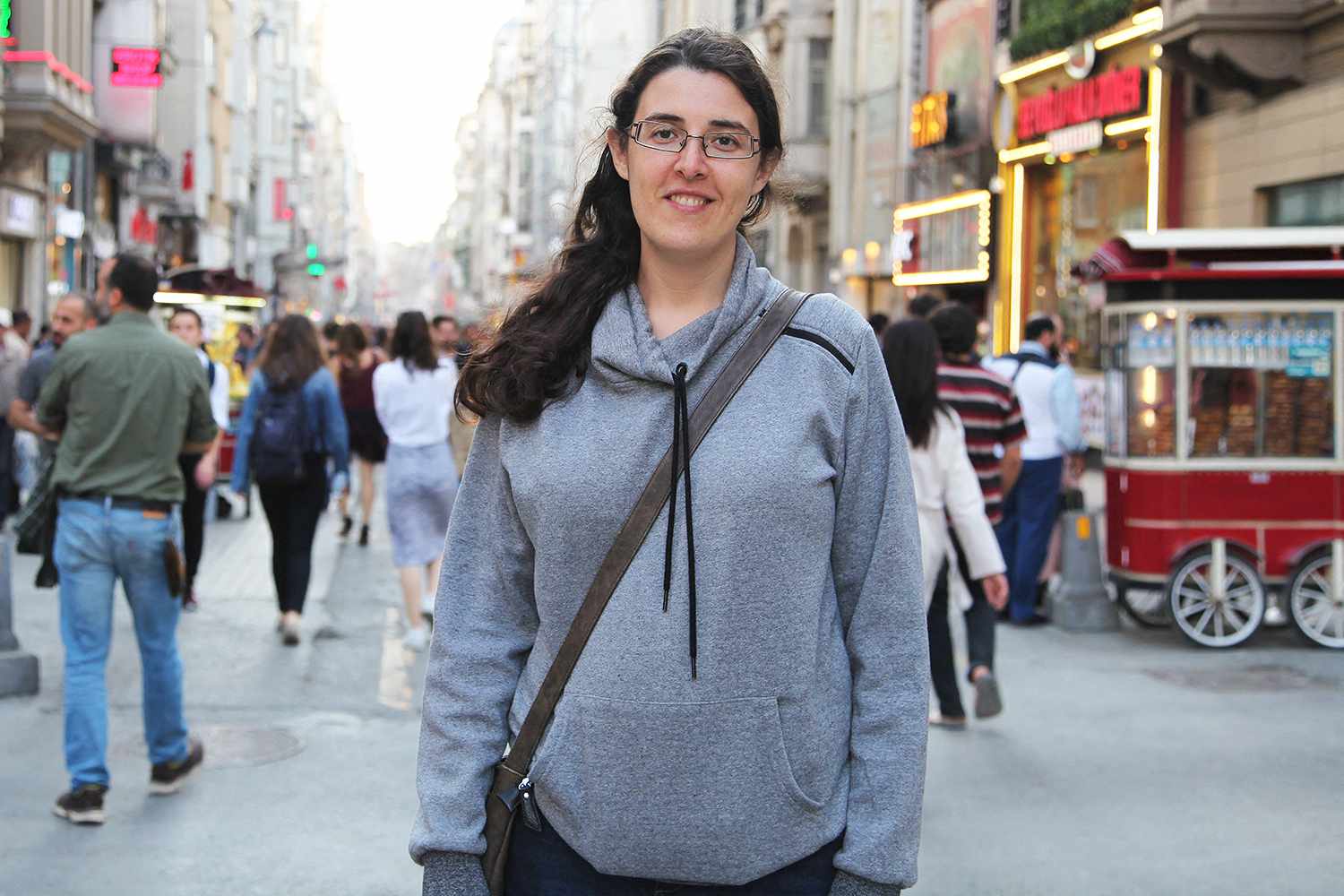
U.S. Secretary of State Marco Rubio announced on Tuesday the release of American journalist Shelly Kittleson, who was abducted by the Iranian-aligned Iraqi Hezbollah group. The incident occurred recently near the capital Baghdad, raising significant concerns about the safety of journalists working in conflict zones.
Kittleson is among many journalists who have faced considerable risks while covering events in Iraq, where incidents of kidnapping and assaults on journalists have increased in recent years. Rubio noted that the U.S. government worked diligently to ensure her safety and return her home.
Details of the Incident
Shelly Kittleson was kidnapped earlier this month while covering political and security events in Iraq. She was held by an armed group, prompting widespread reactions from human rights organizations and journalists. Following intensive diplomatic efforts, she was released, reflecting the importance of international cooperation in addressing threats faced by journalists.
This incident serves as a stark reminder of the challenges journalists face in conflict areas, where their freedoms and rights are at risk. Many of her colleagues expressed relief at her return, emphasizing the importance of protecting journalists worldwide.
Background & Context
In recent years, Iraq has witnessed a surge in violence and kidnappings, particularly against journalists. This is partly due to the political and security chaos that followed the U.S. invasion in 2003. Armed groups, such as Hezbollah, have contributed to creating a dangerous environment for journalists, leading to a decline in press freedom in the country.
Kittleson is one of many journalists who have been kidnapped in Iraq, with numerous similar incidents recorded in recent years. This situation raises significant concerns among international organizations advocating for press freedom, calling for measures to protect journalists and ensure their safety.
Impact & Consequences
The release of Kittleson may help raise awareness about the dangers journalists face in Iraq and could prompt governments and international organizations to take further steps to protect journalists. It may also increase pressure on armed groups to adhere to international laws regarding the protection of journalists.
This incident also demonstrates the importance of cooperation among nations to ensure journalists' safety, as it requires joint efforts to confront the threats they face. Furthermore, Kittleson's release may encourage more journalists to continue their work in covering events in conflict areas.
Regional Significance
Press freedom is a vital issue in the Arab world, where many countries face significant challenges in this area. The kidnapping and release of Kittleson highlight the importance of protecting journalists and promoting freedom of expression in the region.
Many human rights organizations are working to improve the conditions for journalists in the Arab world, as press freedom is one of the indicators of democracy and human rights. Enhancing the protection of journalists can contribute to improving the political and social conditions in the region.
In conclusion, the release of Shelly Kittleson represents a victory for press freedom and reflects the importance of international cooperation in addressing the threats faced by journalists. Efforts must continue to protect journalists and ensure their safety worldwide.