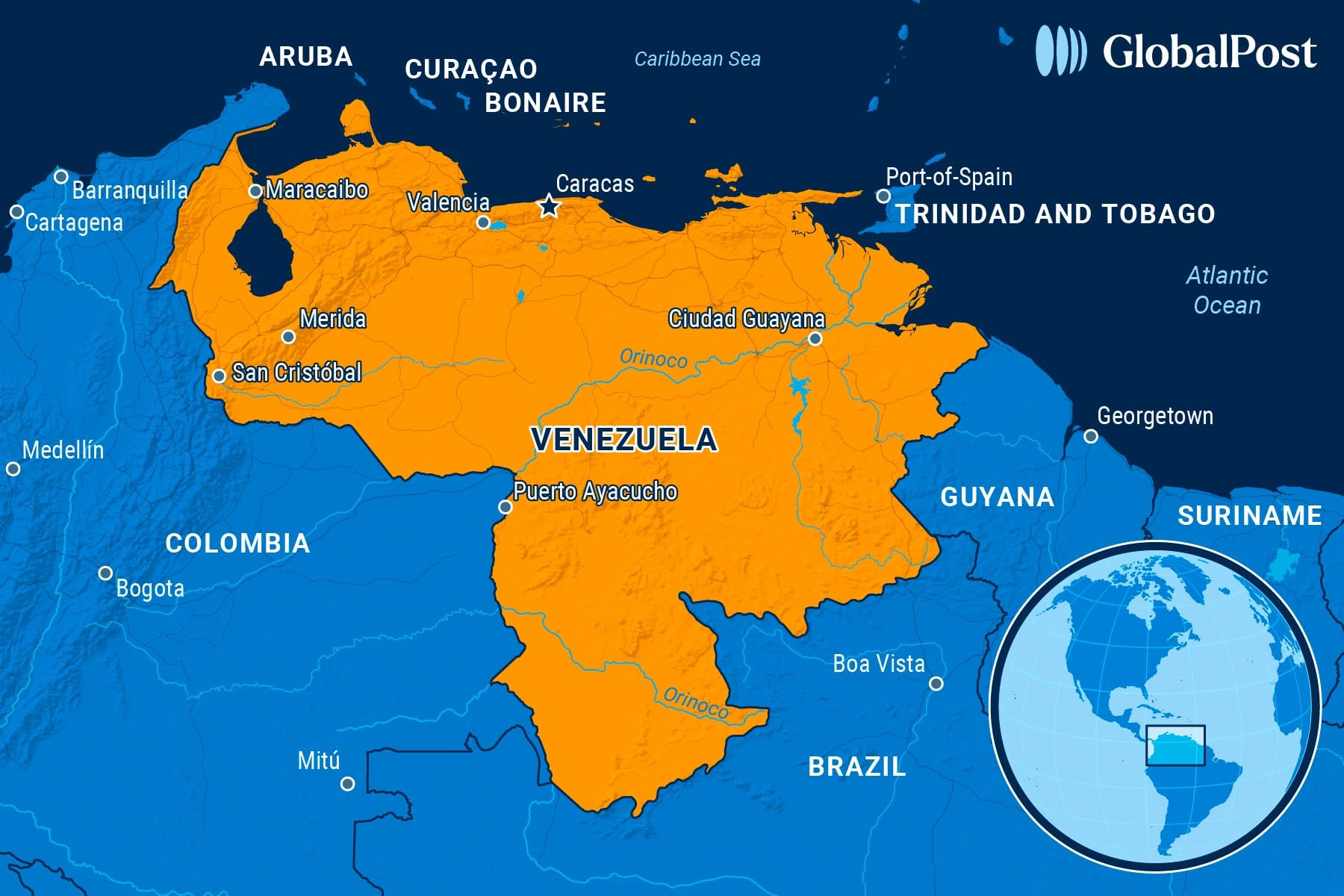
Frenchman Julien Vifrey has returned to his country after a year of detention in Venezuela. He was released from Rodeo 1 prison near the capital Caracas, where he was held for unspecified reasons. According to sources close to the case, Vifrey arrived at an airport in Paris on Wednesday afternoon.
The case of Vifrey is one of many that have raised international concern regarding human rights and detention conditions in Venezuela. Vifrey is known for his passion for travel and exploring Latin America, which has garnered sympathy from many during his detention.
Details of the Incident
Vifrey was arrested in Venezuela over a year ago, but the details surrounding his arrest remain undisclosed. It is believed that the detention conditions were harsh, as Rodeo 1 prison is notorious for its poor treatment of inmates. His detention raised concerns among his family and friends, who worked tirelessly to obtain information about his condition.
Following intensive diplomatic efforts by the French government, Vifrey was released, reflecting the importance of diplomatic relations in resolving such cases. The French Ministry of Foreign Affairs expressed relief at Vifrey's return to his homeland.
Background & Context
Venezuela is a country suffering from severe political and economic crises, leading to rampant corruption and human rights violations. For several years, the country has witnessed a significant deterioration in living conditions, prompting many citizens to emigrate in search of a better life. In this context, Vifrey's arrest is part of a broader phenomenon involving the detention of foreigners in Venezuela for unclear reasons.
The arbitrary detention of foreigners in Venezuela is not a new issue, with similar cases reported in recent years. This has raised alarms in the international community, with many human rights organizations calling for improved detention conditions and the safeguarding of prisoners' rights.
Impact & Consequences
The release of Vifrey may affect relations between Venezuela and Western countries, particularly France. This event is likely to increase pressure on the Venezuelan government to improve its human rights record. Additionally, this development could encourage other countries to take similar steps to protect their citizens detained in Venezuela.
This case also serves as a reminder of the importance of diplomacy in resolving international disputes. Governments can play a crucial role in securing the release of their citizens from unjust detentions.
Regional Significance
The case of Vifrey illustrates how political crises in countries like Venezuela can impact international relations. For Arab countries, this event reflects the importance of enhancing diplomatic cooperation to protect their citizens abroad. It also serves as a reminder that humanitarian crises are not confined to a specific region, but are a global phenomenon requiring a coordinated response.
In conclusion, the release of Julien Vifrey represents a positive step towards improving human rights in Venezuela, highlighting the significance of diplomatic efforts in safeguarding individual rights.