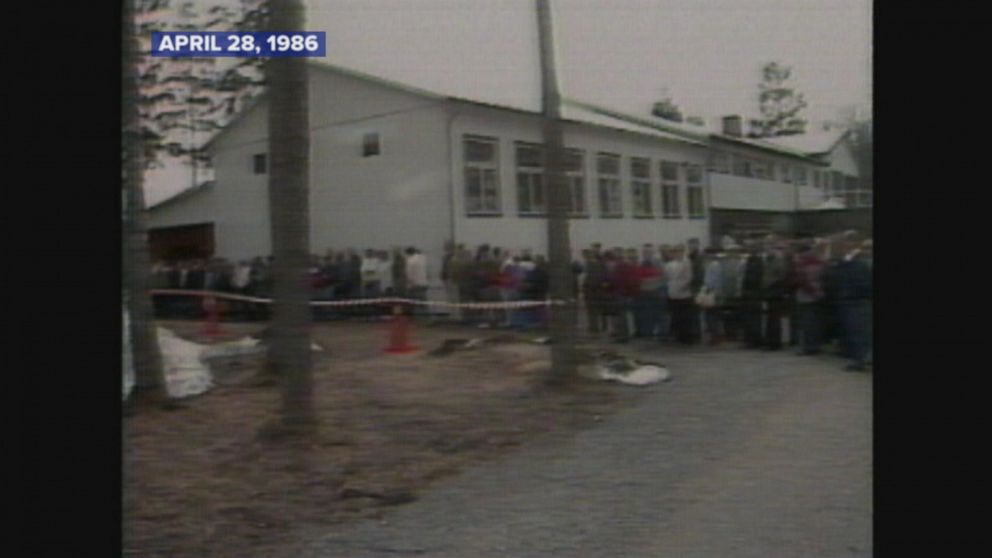
On this day, April 26, 1986, the Chernobyl nuclear reactor in Ukraine experienced a catastrophic explosion, resulting in a massive environmental and health disaster. The incident released enormous amounts of nuclear radiation into the atmosphere, affecting the lives of millions.
The Chernobyl disaster is considered one of the worst nuclear accidents in history, leading to the deaths of many workers at the reactor and causing thousands to suffer from radiation-related illnesses. The Soviet government at the time struggled to cope with the aftermath of the incident, complicating the situation further.
Details of the Incident
The explosion occurred at 1:23 AM during a routine test of the reactor. Due to human error and lapses in safety protocols, Reactor No. 4 exploded, resulting in a massive fire. The fire lasted for several days, contributing to the spread of radiation into the air.
Following the accident, over 100,000 people were evacuated from the surrounding areas, and a no-go zone was established around the site extending 30 kilometers. Cleanup and decontamination efforts continued for years, but the effects of radiation still impact the region today.
Background & Context
Chernobyl was part of the Soviet nuclear program, which saw significant growth in the 1970s and 1980s. However, there were ongoing concerns about the safety of nuclear reactors, especially after previous incidents. The accident was the result of a culmination of design flaws and management failures, leading to a loss of control over the reactor.
After the disaster, many nuclear reactors worldwide were reassessed, leading to significant improvements in safety standards. The incident also prompted political changes in the Soviet Union, contributing to the strengthening of reform movements.
Impact & Consequences
The Chernobyl disaster had a significant impact on public health, with increased cases of cancer and thyroid diseases reported in affected areas. Instances of depression and anxiety were also recorded among the evacuated populations.
Environmentally, wildlife and plant life in the vicinity of the reactor were severely affected. The Chernobyl exclusion zone was established, which has now become a habitat for wildlife, yet it still contains high levels of radiation.
Regional Significance
The Chernobyl disaster serves as an important lesson for Arab countries seeking to develop nuclear programs for peaceful purposes. Concerns about nuclear safety remain prevalent, and Arab nations must consider the lessons learned from this catastrophe.
Furthermore, the disaster raises questions about how to handle nuclear energy in the region, especially amid political and security tensions. There must be clear strategies in place to ensure the safety of nuclear facilities.
The memory of the Chernobyl explosion remains vivid, reminding us of the importance of nuclear safety and transparency in handling nuclear energy. The lessons learned from this disaster should be a focal point for countries aiming to develop nuclear energy.