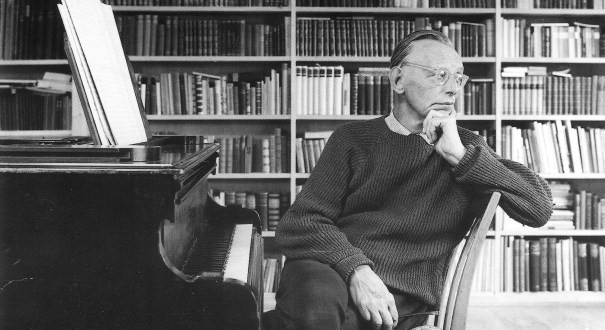
On this day, March 29, 1982, the global music scene lost one of its greatest composers, the renowned German musician Carl Orff. Orff was known for his unique style that blended classical music with folk traditions, making him one of the most prominent figures in music history.
Born on July 10, 1895, in Munich, Germany, Orff displayed musical talent from a young age. He studied at the Munich Academy of Music, where he was influenced by various musical styles. However, his true breakthrough came with his most famous work, Carmina Burana, produced in 1937, which became a symbol of modern classical music.
Details of the Event
Orff passed away at the age of 86, after a life filled with creativity and contribution. Throughout his career, he composed numerous works ranging from operas to choral music, leaving behind a vast legacy of compositions that are still performed today. He had a significant influence on many composers who followed him, inspiring countless individuals around the world.
Orff's music is characterized by its simplicity and power, as he always aimed to convey human emotions through melodies. He incorporated elements of folklore in his works, making his music relatable and easy to engage with.
Background & Context
The death of Orff occurred during a time when Europe was undergoing significant political and social transformations. The impacts of World War II had deeply affected European societies, influencing art and culture in general. During this period, music was seen as a means of expressing pain and hope, and Orff succeeded in embodying these emotions through his works.
Despite the challenges he faced during his life, including political tensions in Nazi Germany, Orff managed to maintain his artistic vision. He was regarded as a creative force who defied harsh circumstances and continued to produce high-value artistic works.
Impact & Consequences
The passing of Orff had a profound impact on the music scene, as classical music lost one of its pillars. He had a clear influence on subsequent generations of composers, who drew inspiration from his unique style of blending traditional music with modern elements. His works also contributed to a renewed interest in choral music, leading to a revival of this art form in many countries.
Carmina Burana is considered one of the most performed works in concert halls worldwide, showcasing the power of music and its ability to resonate with souls. This piece helped establish Orff as one of the most famous composers of the 20th century.
Regional Significance
Although Orff was not directly linked to Arab culture, his influence on global music allowed his works to reach various cultures. In the Arab world, some of his compositions are performed in concerts, viewed as part of the global musical heritage. Additionally, many Arab composers have been influenced by his style, contributing to the development of classical music in the region.
In conclusion, Carl Orff remains a symbol of musical creativity, with his works always remembered as part of the history of classical music. His artistic legacy will continue to resonate in the hearts of music lovers around the world and inspire future generations.