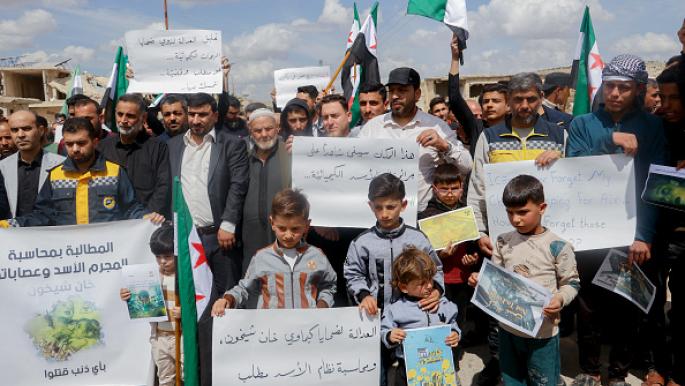
On the anniversary of the Khan Sheikhoun massacre, residents of the city in rural Idlib, Syria, relive painful memories of a day they awoke to the nightmare of toxic gases choking their breaths. Abu Taha, a survivor of that massacre, expresses his deep sorrow every time he recalls the terrifying moments witnessed by the city.
On the morning of April 4, 2017, Khan Sheikhoun was subjected to an attack using toxic gases, resulting in the deaths of dozens and injuries to hundreds. Those moments were horrifying, as victims suffered from severe symptoms, including choking and loss of consciousness. Abu Taha remembers how dreadful the situation was, with streets filled with victims suffering from the effects of the toxic gas.
Details of the Attack
The attack on Khan Sheikhoun was part of a military escalation in the Syrian conflict that has lasted for over a decade. The Syrian government forces had used toxic gases in several attacks, but the assault on Khan Sheikhoun was the deadliest. According to reports, the attack resulted in the deaths of more than 80 people, including children and women, sparking widespread international condemnation.
After the attack, many countries and international organizations condemned this act, considering it a crime against humanity. The United States also launched a military strike against the Shayrat Airbase in Syria, believed to be the launch point for the planes that carried out the attack. This escalation of events complicated the Syrian conflict further and exacerbated the humanitarian situation in the region.
Background & Context
The history of Khan Sheikhoun dates back to ancient times, known for its strategic location in rural Idlib. With the outbreak of the Syrian civil war in 2011, the city became a battleground for numerous clashes and attacks. The conflict in Syria has led to the displacement of millions, destruction of infrastructure, and rising rates of poverty and unemployment.
Khan Sheikhoun is considered one of the cities that have suffered significantly from the effects of war, having endured numerous military attacks. Nevertheless, the residents of the city still cling to hope for a return to their normal lives, despite all the tragedies they have witnessed.
Impact & Consequences
The attack on Khan Sheikhoun was not just a local event; it significantly impacted international politics regarding Syria. Following the attack, pressure increased on the Syrian government from the international community, leading to new sanctions. This event also contributed to heightened tensions among major powers, as the United States took a firmer stance against the Syrian regime.
On a humanitarian level, the attack left deep scars on survivors and families of the victims. Abu Taha, like many others, suffers from psychological trauma due to what he witnessed. These bitter experiences continue to affect the lives of people in Khan Sheikhoun, as they strive to recover from the war's aftermath.
Regional Significance
The Khan Sheikhoun massacre highlights the significant challenges facing the Arab region amid ongoing conflicts. Events in Syria affect the security and stability of neighboring countries, which are hosting large numbers of refugees. This situation reflects the urgent need for a comprehensive political solution that ends the conflict and restores security to the region.
In conclusion, the memory of the Khan Sheikhoun massacre remains alive in the minds of the Syrian people, reminding them of the importance of working towards justice and accountability. The hope for peace persists, despite all challenges, and the international community must make greater efforts to support the Syrian people in their plight.