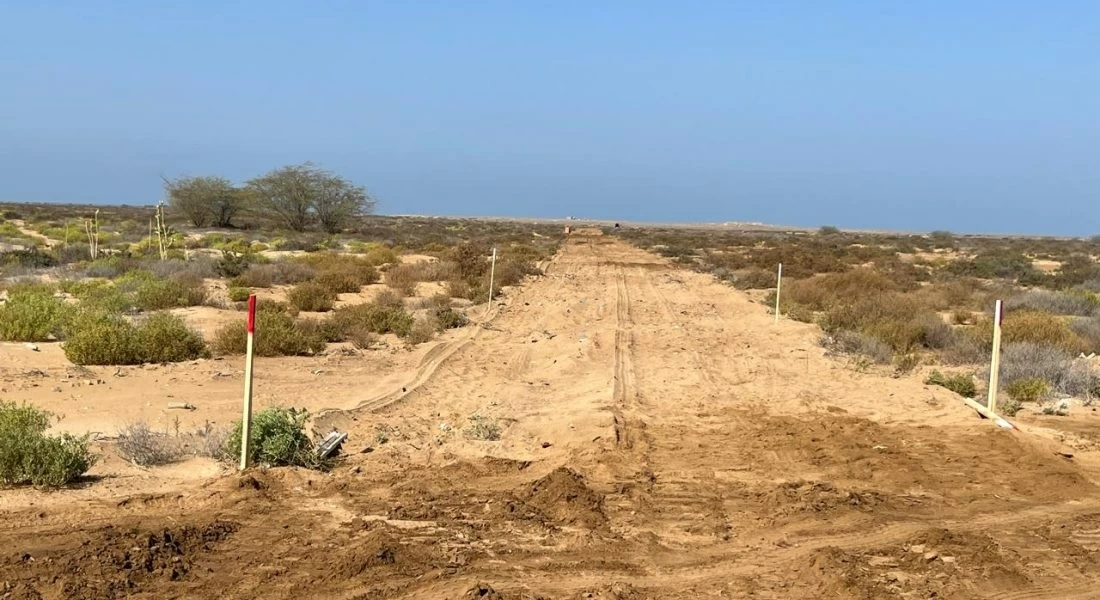
The Saudi project Masam for landmine removal in Yemen announced its success in removing 1231 landmines, unexploded ordnance, and improvised explosive devices during the first week of April. These efforts are part of the project's ongoing endeavors to secure areas affected by the remnants of war and enhance safety for civilians in the country.
The removed mines included 1173 unexploded ordnance, 49 anti-tank mines, and 9 anti-personnel mines, reflecting the diverse risks faced by field teams during demining operations. Additionally, the teams successfully cleared an estimated area of 223,302 square meters of Yemeni land, contributing to reducing direct threats to civilian lives and allowing for the potential reuse of these lands.
Event Details
The operations room of the Masam project confirmed that the total number of mines removed since the project's inception in the Midi district has reached 8330 landmines, unexploded ordnance, and improvised explosive devices. The project continues to implement its efforts in one of the most mine-affected areas, aiming to mitigate the risks posed by landmines and remnants of war that still present a significant threat to civilian lives in Yemen.
The General Director of the Masam project, Osama bin Youssef Al-Qusaibi, indicated that the teams continue to make tangible progress in removing remnants of war. Since the project's launch in late June 2018, a total of 552,420 landmines, unexploded ordnance, and improvised explosive devices have been removed, including 386,140 unexploded ordnance, 150,731 anti-tank mines, 7131 anti-personnel mines, and 8418 improvised explosive devices from various Yemeni governorates.
Background & Context
The Masam project was established as part of humanitarian efforts led by the King Salman Humanitarian Aid and Relief Center, aiming to provide a safe environment for civilians in Yemen. The landmines planted during armed conflicts pose a continuous threat, having caused the deaths and injuries of many civilians, especially children.
The project teams are working on training local Yemeni teams on the mechanisms of landmine removal, in addition to conducting awareness events in schools and rural areas about the dangers of landmines and their types. These efforts have contributed to protecting thousands of children and women and increasing public awareness of the risks associated with landmines.
Impact & Consequences
The efforts of the Masam project contribute to normalizing life in various liberated Yemeni governorates, where roads, farms, and homes that were once hotspots for deadly weapons have been secured. The project has also helped restore life to the land and hope to the Yemeni people by securing fishing ports and the Yemeni coasts.
These efforts represent an important step towards achieving stability in affected areas, allowing civilians to return to their normal lives and resume their agricultural and commercial activities.
Regional Significance
The experience of the Masam project serves as a model in the field of landmine removal in conflict areas, potentially contributing to enhancing security and stability in the region. The success of the project in removing landmines reflects the importance of international cooperation in addressing humanitarian challenges.
In conclusion, the efforts of the Masam project remain pivotal in protecting civilians in Yemen and providing a safe environment that allows them to regain their normal lives, reflecting hope for a better future for the Yemeni people.