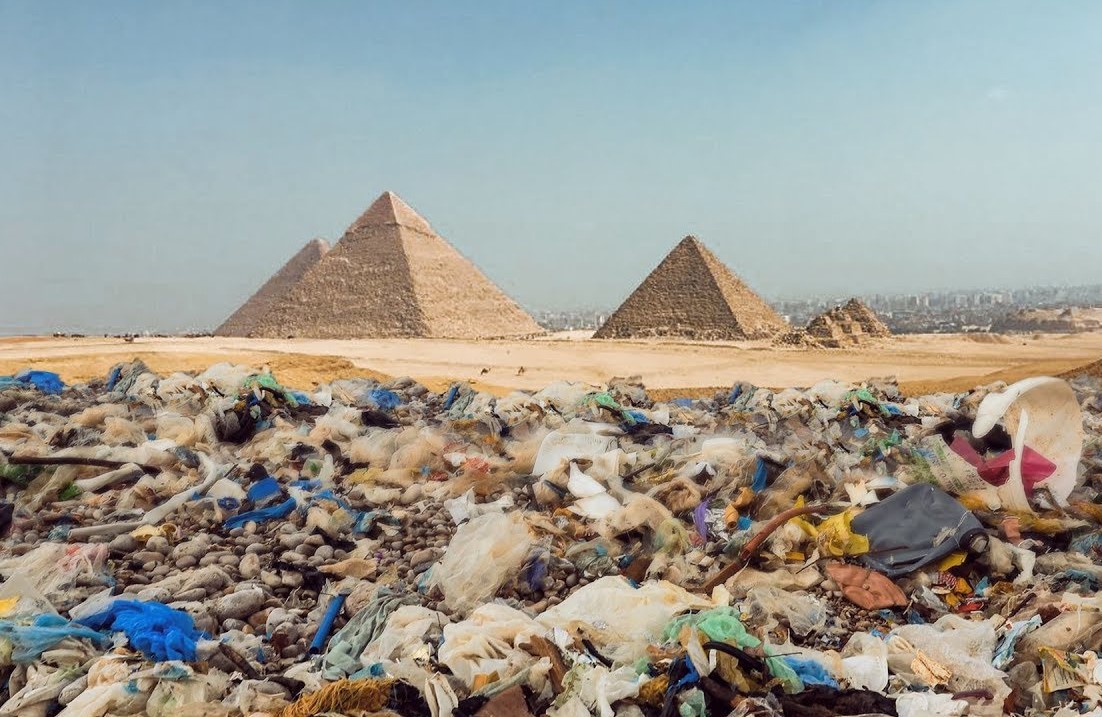
The Giza Governorate successfully removed approximately 800 tons of waste in the Pyramid area as part of ongoing efforts to improve the environment and enhance public cleanliness. This campaign is part of a comprehensive plan to address environmental challenges in the region.
The Pyramid area is considered one of the most prominent tourist destinations in Egypt, attracting thousands of visitors daily. With the increasing number of tourists, there is a growing need to improve public cleanliness and provide a healthy environment for both visitors and residents.
Details of the Campaign
Sources from the Giza Governorate reported that the recently launched campaign included the removal of waste from the streets and public areas surrounding the pyramids. Modern equipment and specialized teams were utilized to ensure the task was completed efficiently and swiftly. Additionally, new garbage bins were distributed in strategic locations to facilitate waste disposal.
This initiative comes at a critical time as the Egyptian government seeks to boost tourism and improve the country's image in the eyes of visitors. Officials indicated that this campaign is not merely a waste removal operation but part of a broader strategy aimed at enhancing the quality of life in tourist areas.
Background & Context
Historically, the Pyramid area has faced multiple environmental challenges, with waste accumulating in the streets, negatively impacting the area's attractiveness. With the rising environmental awareness, the Egyptian government has begun taking serious steps to address these issues, including cleanliness campaigns and awareness initiatives.
In recent years, Egypt has witnessed increased efforts to improve cleanliness infrastructure, including the establishment of new waste treatment facilities and the development of garbage collection systems. These efforts reflect the government's commitment to enhancing the environment and promoting tourism.
Impact & Consequences
This campaign is seen as a positive step towards improving the environment in the Pyramid area, with expectations that it will contribute to boosting tourism and increasing visitor numbers. Furthermore, enhancing public cleanliness will improve the quality of life for local residents.
Moreover, the success of this campaign may encourage the implementation of more environmental initiatives in other regions of the country. This experience could serve as a model for other tourist cities, contributing to improving Egypt's overall image as a tourist destination.
Regional Significance
Issues of cleanliness and the environment are common challenges facing many Arab countries. The success of the Giza Governorate in waste removal could serve as an impetus for other Arab nations to adopt similar strategies to improve their environments.
In light of increasing environmental challenges, it is crucial for Arab countries to collaborate in exchanging experiences and best practices in waste management and public cleanliness. These efforts can contribute to promoting sustainable development in the region.
In conclusion, the waste removal campaign in the Pyramid area reflects the Egyptian government's commitment to improving the environment and enhancing tourism. These efforts are not just short-term steps but part of a broader vision aimed at building a better future for the country.