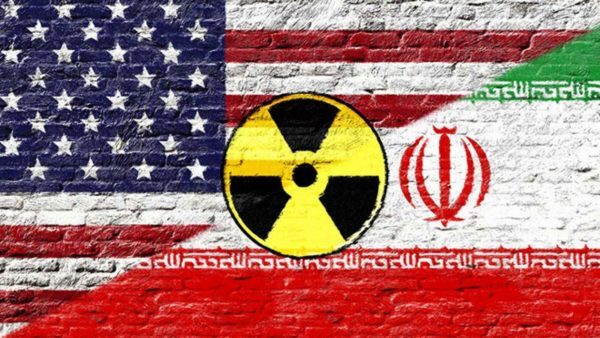
Hopes for resuming dialogue between the United States and Iran are rekindled after years of escalating tensions since Washington's withdrawal from the nuclear deal. In January 2022, rumors emerged about restoring communication between the two sides, sparking optimistic headlines in the media, including a prominent title in the New York Times that indicated "the United States and Iran are nearing a nuclear agreement."
However, the optimism regarding the possibility of reaching a new agreement remains cautious, as matters are complicated by several factors, including domestic political stances in both countries, in addition to regional and international pressures.
Details of the Event
After the United States withdrew from the nuclear deal in 2018 during Donald Trump's presidency, relations between Washington and Tehran deteriorated significantly. This withdrawal led to the re-imposition of strict economic sanctions on Iran, which severely impacted its economy. Since then, Iran has sought to enhance its nuclear program, raising concerns within the international community.
In recent months, some indicators have suggested the possibility of resuming negotiations. Information has circulated about informal meetings between Iranian and American officials, giving the impression that there is a willingness from both sides to return to the negotiating table.
Background & Context
The roots of the Iranian nuclear crisis date back to 2002, when the existence of secret nuclear facilities was revealed. Since then, the issue has become a focal point of conflict between Iran and Western countries, particularly the United States. In 2015, the nuclear deal known as the Joint Comprehensive Plan of Action was reached, aiming to reduce Iranian nuclear activities in exchange for easing sanctions.
However, after Trump's withdrawal from the agreement, Iran intensified its nuclear activities, escalating tensions in the region. This has led to heightened fears of a potential military confrontation between Iran and the United States or its allies in the region.
Impact & Consequences
If a new agreement is reached, it could lead to a de-escalation of tensions in the region, contributing to the stability of oil markets and enhancing economic relations between Iran and other countries. However, any agreement must include strong guarantees to prevent Iran from violating its nuclear commitments.
On the other hand, the failure of negotiations could lead to escalating tensions, threatening regional security and increasing the likelihood of new conflicts. The continuation of economic sanctions will also negatively impact the Iranian people, potentially leading to internal protests.
Regional Significance
The Iranian-American relations are a key axis affecting stability in the Arab region. Tensions between Iran and Gulf countries, especially Saudi Arabia, may escalate if matters continue as they are. Moreover, any agreement could alter the power dynamics in the region, impacting America's allies in the Middle East.
Ultimately, optimism regarding the possibility of reaching a new nuclear agreement between the United States and Iran remains, but challenges are still significant. It requires strong political will from both sides, along with international community support to achieve stability in the region.