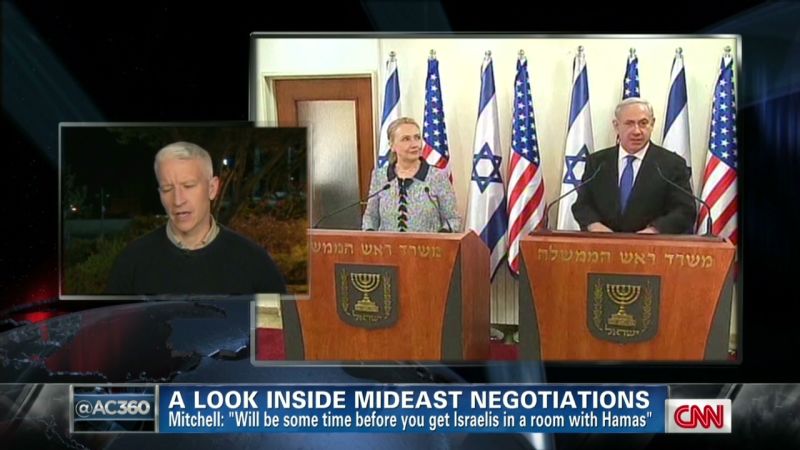
Negotiations regarding the war in the region continue as involved parties seek peaceful settlements. These efforts come at a sensitive time marked by escalating military tensions, highlighting the urgent need for dialogue and understanding.
The negotiations are taking place under complex circumstances, with armed conflicts intensifying in several areas. Recent reports indicate that the parties involved are making intensive efforts to reach solutions that ensure stability and security.
Details of the Ongoing Negotiations
The current negotiations encompass a range of key issues, including a ceasefire, prisoner exchanges, and reconstruction. Negotiators have emphasized that these issues form the foundation for any future settlement.
It has also been noted that international community support is crucial in this process, as major countries play an important role in facilitating dialogue between the conflicting parties. Some nations have expressed their readiness to provide the necessary assistance to achieve peace.
Background & Context
Historically, the region has witnessed numerous armed conflicts that have significantly impacted civilian lives. These conflicts have exacerbated humanitarian conditions, necessitating the need for lasting solutions.
In recent years, pressure has increased on the involved parties to come to the negotiating table. Previous experiences have shown that military solutions have not led to positive outcomes, reinforcing the importance of dialogue as a means to achieve peace.
Impact & Consequences
If the negotiations succeed, it could contribute to improving humanitarian conditions in the region and restore hope for many affected families. Additionally, reaching an agreement may open the door for new investments and the reconstruction of destroyed infrastructure.
However, failure to make progress could lead to an escalation of conflicts, increasing civilian suffering and complicating peace efforts. Therefore, challenges remain, and the involved parties must work diligently to achieve tangible results.
Regional Significance
Conflicts in the region directly affect neighboring countries, potentially leading to refugee flows and increased regional tensions. Thus, the success of the negotiations could have a positive impact on regional stability.
Moreover, achieving peace in this area could enhance cooperation among Arab nations, paving the way for joint projects in the fields of economy and development.
In conclusion, negotiations regarding the war in the region remain a focal point of international attention, as involved parties look to achieve peaceful settlements that ensure security and stability. The success of these efforts depends on political will and cooperation among all parties.