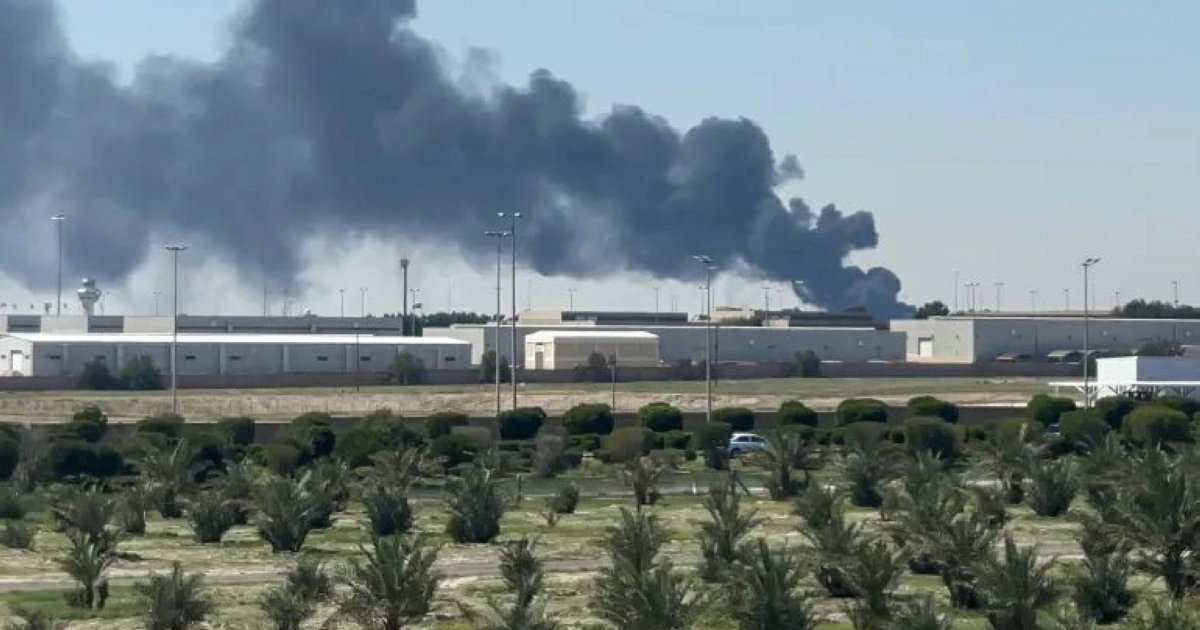
Several Gulf countries, including UAE, Kuwait, and Bahrain, were subjected to missile and drone attacks from Iran on Wednesday, leading to the activation of air defense systems in the region. This occurred just hours after the United States and Iran announced a temporary ceasefire lasting two weeks, raising questions about the sustainability of this truce.
The UAE Ministry of Defense announced that the country's air defense systems were engaged in countering the Iranian attacks, with explosions heard in various areas of the state due to the interception of missiles and drones. Operations at the gas complex in Abu Dhabi were halted following a fire caused by falling debris.
Details of the Incident
In Kuwait, the armed forces reported that air defense systems intercepted a wave of Iranian drones launched since 8 AM. Some of these drones targeted vital facilities such as oil stations, power plants, and water desalination facilities, causing significant damage to infrastructure.
In Bahrain, the Ministry of Interior reported that two individuals were injured due to the attacks, with debris from the drones landing on homes in the Sitra area. Explosions were also heard in the capital Manama, increasing anxiety among residents.
Background & Context
These attacks come at a sensitive time, following the announcement of a ceasefire between the United States and Iran after a prolonged period of escalating tensions. The ceasefire was agreed upon just one hour before the deadline set by President Donald Trump for the destruction of Iran if no agreement was reached.
Historically, the region has witnessed rising tensions between Iran and Gulf states, with several previous attacks on vital facilities in Gulf countries, reflecting a continuous escalation in the regional conflict.
Impact & Consequences
These attacks pose a significant challenge to the announced ceasefire, raising fears about the potential collapse of diplomatic talks. Some analysts have suggested that these attacks may result from a lack of coordination among various branches of the Iranian military leadership.
Experts assert that the continuation of these attacks could lead to greater escalation in the region, threatening the security and economic stability of Gulf states and complicating peace efforts.
Regional Significance
These events directly impact the national security of Arab states, as Gulf countries remain on high alert to face any threats. Additionally, these attacks could affect oil prices and financial markets in the region, negatively impacting the Arab economy.
In conclusion, the region remains in a state of anticipation, as all eyes turn to the upcoming talks in Islamabad, which may determine the fate of relations between the United States and Iran.