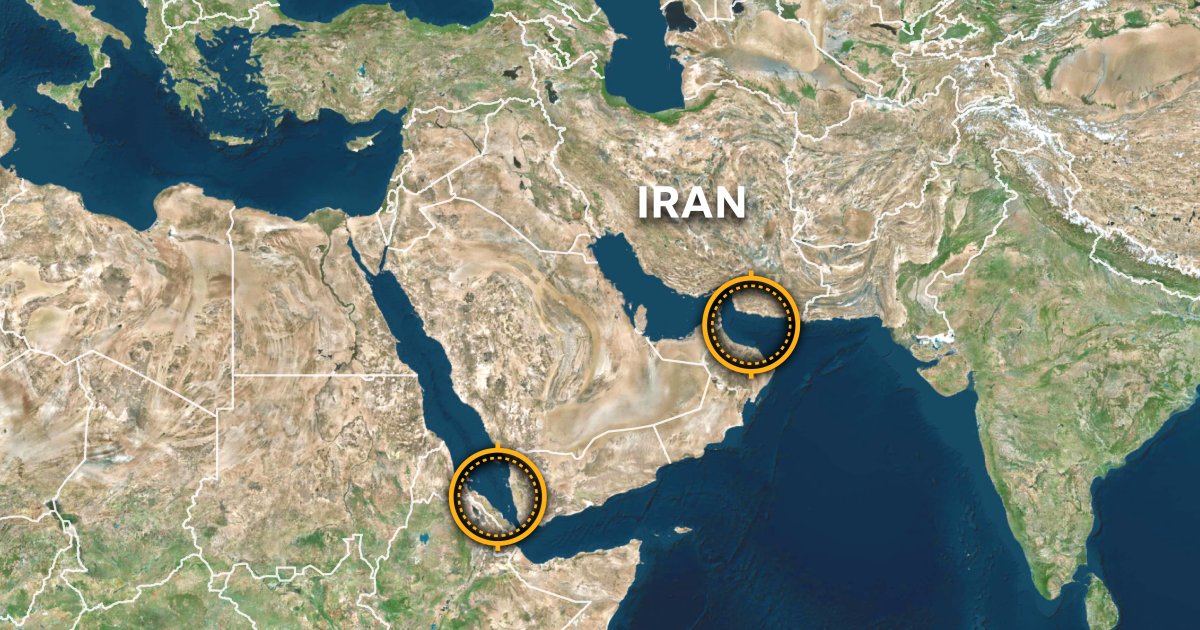
Kuwait and other Gulf states reported renewed Iranian attacks on Monday, with the Kuwaiti Ministry of Electricity, Water, and Renewable Energy announcing significant damage to a service building at a power and water desalination plant. The incident resulted in the death of an Indian worker, highlighting the increasing risks faced by the region due to these attacks.
In the aftermath of the incident, the ministry issued a statement confirming that technical teams and emergency crews immediately began implementing approved emergency plans to address the incident's consequences and ensure the continuity of essential services. This development comes at a sensitive time when the region is experiencing heightened tensions between Iran and Gulf states, increasing concerns about regional security.
Details of the Incident
The recent Iranian attacks are part of an ongoing escalation by Tehran against Gulf states, with incidents targeting critical infrastructure becoming more frequent. The attack on the power plant in Kuwait reflects an Iranian strategy aimed at weakening neighboring countries by targeting their vital facilities. Kuwaiti officials indicated that the attack was carried out using drones, showcasing a development in Iranian attack methods.
Kuwait is one of the Gulf states suffering from escalating Iranian threats, frequently facing attacks targeting its vital facilities. The recent incident raises questions about Kuwait's ability to protect its infrastructure from such attacks and underscores the urgent need to enhance both cybersecurity and physical security.
Background & Context
Historically, relations between Iran and Gulf states have been marked by increasing tensions, especially following the Iranian nuclear agreement in 2015 and the subsequent withdrawal of the United States from the agreement in 2018. These tensions have led to an escalation in Iranian military activities in the region, including attacks on commercial ships and oil tankers.
Additionally, regional conflicts, such as the wars in Yemen and Syria, have exacerbated tensions between Iran and Gulf states. Kuwait, which is relatively small, finds itself in a sensitive position as it seeks to maintain good relations with all parties while facing direct threats from its neighbor Iran.
Impact & Consequences
The Iranian attacks on Kuwait and other Gulf states could have serious implications for regional security. The escalation of these attacks may prompt Gulf states to enhance their security and military cooperation, potentially leading to an arms race in the region. Furthermore, these events could affect foreign investments in the area, as companies may hesitate to invest in an unstable environment.
Moreover, the attacks could exacerbate humanitarian crises in the region, especially given the difficult economic conditions many Gulf states are facing. The increase in attacks may lead to heightened tensions among local communities, contributing to the spread of violence and instability.
Regional Significance
These attacks are part of a broader Iranian strategy aimed at expanding its influence in the region. Other Arab countries may find themselves compelled to deal with the repercussions of these attacks, as relations between Arab states and Iran could become further strained. Additionally, the events in Kuwait may encourage other countries to take proactive steps to protect their interests.
Ultimately, regional security remains at risk unless effective measures are taken to address Iranian threats. Strengthening cooperation among Gulf states and developing effective security strategies will be vital to maintaining stability in the region.