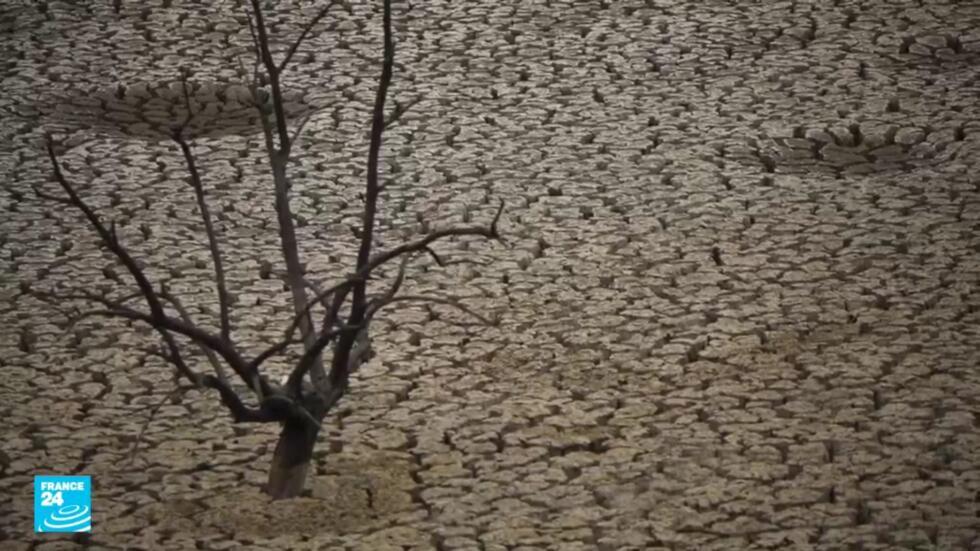
Tensions have resurfaced in the French region of Saint-Soline following a court ruling in December 2024 that prohibits filling a reserve water reservoir, leaving farmers facing a dry summer. The disputes between supporters and opponents of the project are escalating, complicating the local situation.
In light of the severe climatic conditions affecting France, water shortages have become an urgent issue directly impacting agriculture. The court ruling issued at the end of last year, which mandated that the reserve water reservoir known as the "replacement reservoir" not be filled, has elicited mixed reactions among farmers and local residents. While some see the project as essential for ensuring agricultural sustainability, others view it as a threat to the environment and natural water resources.
Details of the Event
During the winter, it was expected that the reservoir would be filled with water, which would assist farmers in facing the challenges of summer. However, the court ruling has prevented this, meaning that farmers will have to operate without these vital resources. This raises significant concerns about crop production and farmers' ability to continue their work.
Tensions between opponents and supporters of the project remain high. Opponents are organizing ongoing protests against the project, emphasizing the importance of preserving the environment and water resources, while supporters insist that the project is necessary to ensure food security in the region.
Background & Context
Historically, France has faced recurring issues related to water management, especially amid climate changes that have led to longer drought seasons. In recent years, projects like the "replacement reservoir" have become a focal point of significant debate, as some seek to enhance agriculture through water storage, while others fear the environmental impact.
The Saint-Soline area is part of the "Deux-Sèvres" region, an important agricultural area in France. However, the environmental and economic challenges facing this region may lead to radical changes in traditional farming methods.
Impact & Consequences
The court ruling against filling the reservoir could have far-reaching consequences for agriculture in the region. If dry conditions persist, farmers may face significant production losses, impacting the local economy. This situation may also lead to increased protests and social tensions, as farmers feel unsupported in facing the challenges they encounter.
Moreover, this issue could open a broader discussion about water management in France and Europe in general. In light of climate changes, countries may need to reassess their strategies to ensure the sustainability of water resources.
Regional Significance
Water management is also a vital issue in the Arab region, where many countries suffer from water shortages due to climate changes and population growth. The French experiences in Saint-Soline may serve as an important lesson for Arab countries on how to address water and agricultural issues.
Given the increasing challenges, Arab countries must consider innovative strategies for water management, including improving irrigation techniques and increasing water use efficiency in agriculture.