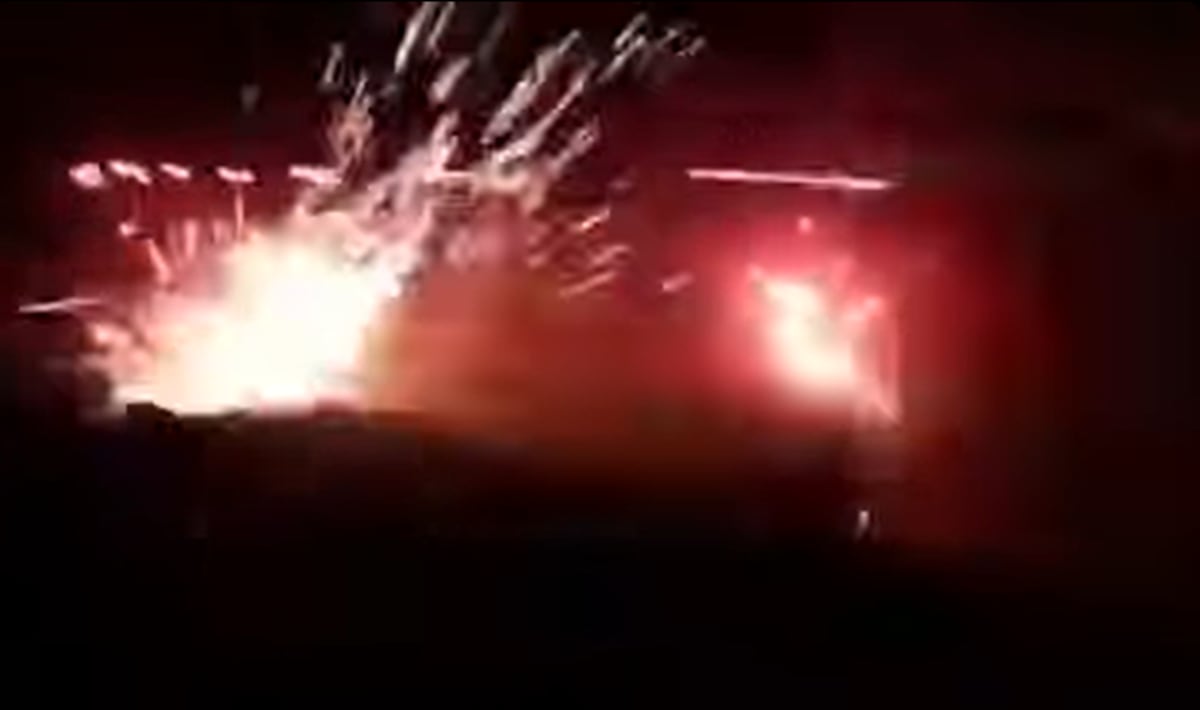
Violent clashes have reignited between Pakistani and Afghan forces along the border after a brief ceasefire was reached in celebration of Eid al-Fitr. These confrontations have led to the deaths of several civilians in eastern Afghanistan, according to local authorities in Kabul.
Dia Rahman Spin Ghar, the Director of the Media and Culture Department in Kunar province, eastern Afghanistan, stated that Pakistani forces launched dozens of artillery shells on the Narai and Sarkani areas, resulting in the deaths of two civilians and injuries to others. He noted that the strikes in Sarkani included artillery bombardment and drone attacks, which resulted in the death of another civilian.
Details of the Incident
Spin Ghar confirmed that Afghan border forces retaliated against the Pakistani shelling, indicating the destruction of three Pakistani military posts and the death of a soldier; however, this information has not been independently verified due to field restrictions and difficulties in accessing border areas. In contrast, the Associated Press reported a local official in northwestern Pakistan accusing Afghan forces of initiating gunfire exchanges at several border locations.
These developments come days after a ceasefire followed Pakistani airstrikes, where the Kabul government stated that those airstrikes hit a drug rehabilitation hospital in the capital, resulting in more than 400 fatalities, a toll that has not been independently verified. Meanwhile, Islamabad claims its strikes targeted an ammunition depot rather than civilian facilities.
Background & Context
The border areas between Pakistan and Afghanistan have witnessed increasing tensions for several months, with reports indicating that at least 76 Afghan civilians have been killed since February 26, not counting the casualties from the recent strike on the treatment center. These events reflect the escalating tensions between the two countries, rooted in historical disputes over borders and control of border regions.
The border between Pakistan and Afghanistan is a sensitive area where the political and military interests of both countries overlap. Previous conflicts have exacerbated the humanitarian situation in the region, making it one of the most tense areas in the world.
Impact & Consequences
The repercussions of these clashes extend beyond military dimensions, affecting the humanitarian and economic situation in the region. With increasing numbers of displaced persons and civilian casualties, pressures mount on the Afghan government, which faces significant challenges in managing humanitarian crises. Additionally, the escalation of violence could worsen security conditions in Pakistan, threatening the stability of the entire region.
These events serve as a reminder of the necessity for dialogue and understanding between the two sides, as continued violence will only lead to further suffering for civilians. Human rights organizations have called for an immediate ceasefire and the pursuit of peaceful solutions to the conflict.
Regional Significance
The situation in Pakistan and Afghanistan is of great importance to the Arab region, as any escalation in the conflict could impact regional security. Furthermore, the increasing numbers of refugees and displaced persons from these areas may create new challenges for Arab countries, which are already facing their own humanitarian crises.
In light of these circumstances, hope remains pinned on international efforts to support peace and stability in the region, as military solutions will not be sufficient to address the roots of the conflict.