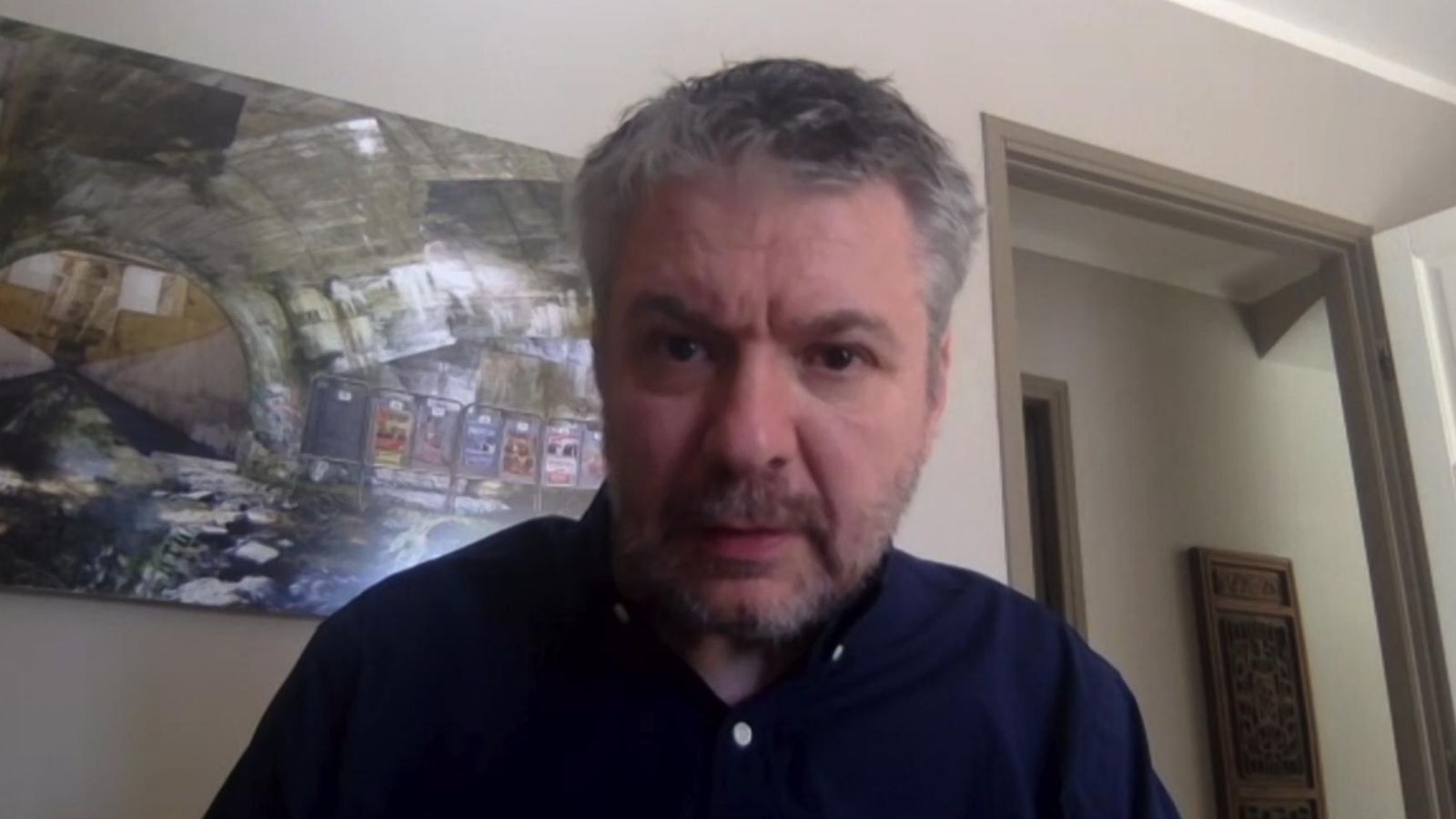
Dr. Itai Gradel, the renowned academic and antiquities dealer, passed away at the age of 61 after a prolonged struggle with cancer. Gradel was famous for revealing extensive thefts involving hundreds of artifacts from the British Museum, sparking global controversy regarding the museum's management of its valuable collection.
In his final days, Gradel received a rare commendation medal from the museum, where the director described him as having made a significant contribution to the field. Despite his passing, investigations are still ongoing concerning the thefts reported over three years ago.
Details of the Investigations
Gradel had warned the museum in 2021 about the sale of artifacts online, but his concerns were ignored by the previous administration. However, after his persistent efforts, the museum initiated its own investigations, discovering that 2,000 pieces from its collection were either missing, stolen, or damaged. This issue led to the resignation of Hartwig Fischer, the museum's director, who acknowledged that the museum had not adequately addressed Gradel's warnings.
Gradel had gathered evidence of thefts committed by one of the museum's curators and submitted it to the administration, but it was overlooked. Nevertheless, he played a pivotal role in bringing this issue to light, as he was expected to be a key witness in any trial related to the thefts.
Background & Context
The history of the British Museum is filled with archaeological treasures, yet these thefts have raised questions about how these artifacts are managed. Established in 1753, the museum houses a vast array of artifacts from around the world. However, the revealed thefts reflect weaknesses in the protection and management systems, threatening the museum's reputation.
Gradel, born in Haifa, Israel, to a British father and a Danish mother, had a passion for archaeology from a young age. He moved to Denmark at the age of two and later returned to the United Kingdom, where he began his career in the field of archaeology. He possessed a unique ability to identify archaeological artifacts, aiding him in uncovering the thefts.
Impact & Consequences
The British Museum thefts serve as a call to reevaluate how artifacts are protected in cultural institutions. The resignation of the museum's director reflects the incompetence of the previous administration, opening the floor for discussions on how to improve security systems. Furthermore, Gradel's efforts have helped to re-emphasize the importance of ancient artifacts, potentially leading to increased public awareness about the protection of cultural heritage. His death leaves a void in this field, as he was considered one of the leading experts in archaeology.
As the investigations continue, the implications of Gradel's work and the museum's management practices will likely influence future policies regarding artifact protection and cultural heritage management.
Regional Significance
The implications of the British Museum thefts extend beyond the institution itself, raising concerns about the safeguarding of cultural heritage on a global scale. The museum is a significant repository of world history, and its challenges reflect broader issues faced by cultural institutions worldwide. Gradel's contributions to the field have highlighted the necessity for stringent measures to protect artifacts and ensure their integrity.
In conclusion, Dr. Itai Gradel's legacy will endure through his efforts to expose the thefts and advocate for the protection of cultural heritage. His passing marks a significant loss for the archaeological community and emphasizes the ongoing need for vigilance in safeguarding our shared history.