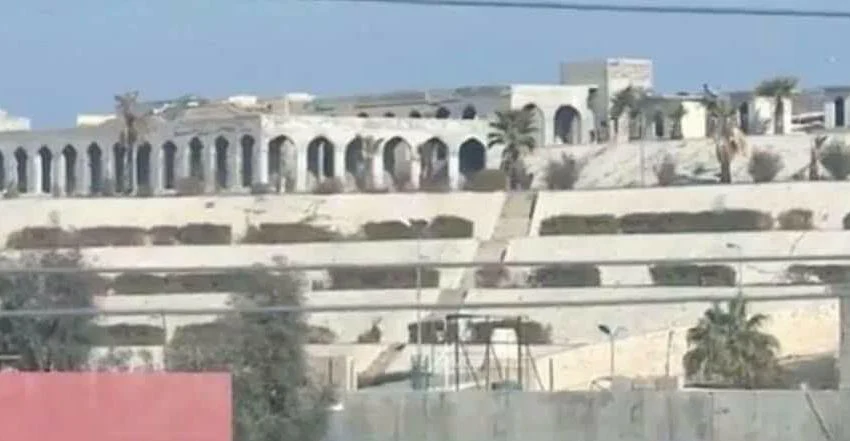
In a move that reflects the determination of Mosul's residents, the Al-Nabi Yunus Mosque has been reopened after 12 years since it was bombed by the Islamic State. This mosque, considered a historical and cultural symbol of the city, was restored through local efforts and entirely funded by donations, without any government support.
On Friday, April 3, 2023, the reopening ceremony was attended by thousands of Mosul residents and those from nearby cities. The mosque's Imam, Muhammad Al-Shama'a, expressed pride in the return of this historical landmark, noting that the reconstruction represents a response to attempts to erase the city's history.
Event Details
The Al-Nabi Yunus Mosque stands 18 meters above ground and is regarded as one of the oldest mosques in Mosul, believed to have been founded during the era of Caliph Umar ibn Al-Khattab. The mosque was bombed in 2014 under the pretext of having tombs within it, which the organization deemed a justification for its destruction.
Historian Ibrahim Ghazal pointed out that the mosque is among the oldest still standing and contains remnants from ancient civilizations, including Assyrian artifacts. A palace belonging to the Assyrian king Ashurbanipal was uncovered beneath the mosque site, further enhancing its archaeological significance.
Background & Context
The history of the Al-Nabi Yunus Mosque is complex, with no precise information regarding its construction date. However, historians agree that it dates back to an early period of Islam. The mosque faced significant challenges during the reconstruction process, requiring coordination with relevant authorities to preserve the historical character of the site.
Architect Ahmed Al-Omari, who supervised the reconstruction, explained that the project encountered several obstacles, including the necessity to protect the artifacts discovered beneath the mosque, which require special care during construction activities.
Impact & Consequences
The reconstruction of the Al-Nabi Yunus Mosque represents an important step in restoring the cultural and religious identity of Mosul, which suffered greatly during the period of ISIS control. This initiative reflects the local community's ability to rise from the ruins of destruction and emphasizes the importance of heritage in fostering collective spirit.
Moreover, rebuilding this historical landmark may contribute to attracting tourists and history enthusiasts, thereby boosting the local economy and revitalizing a city that was once a significant cultural center.
Regional Significance
The reconstruction of the Al-Nabi Yunus Mosque serves as a model for other areas suffering from the effects of conflicts. This step demonstrates how local communities can unite to rebuild what wars have destroyed, fostering a spirit of hope and optimism in the region.
In conclusion, the revival of the Al-Nabi Yunus Mosque marks a milestone in Mosul's history and reaffirms the Iraqi people's ability to overcome challenges and reclaim their cultural and religious heritage.