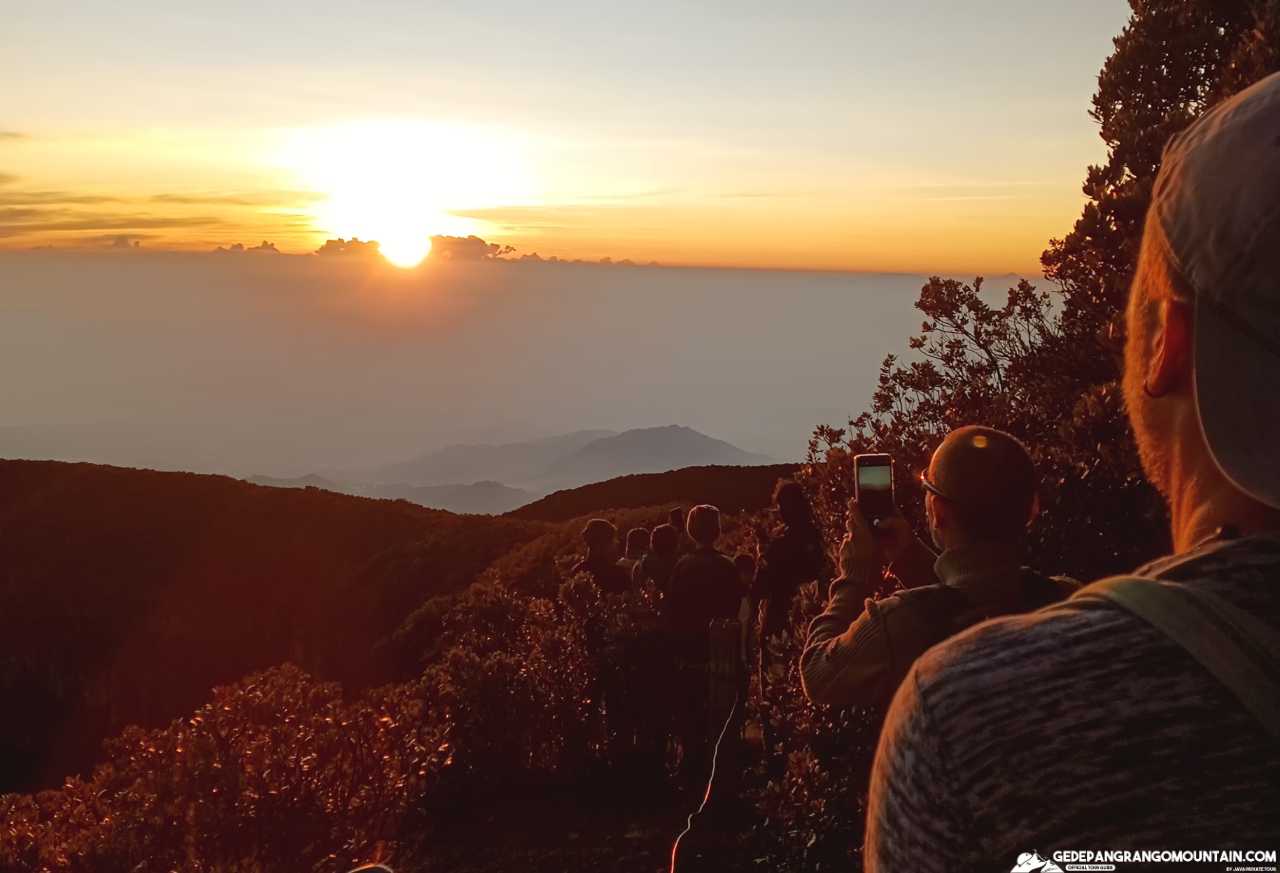
Gede Pangrango National Park in Indonesia has announced the reopening of its climbing trails starting April 13, 2026, following a six-month closure. This decision is part of the government's efforts to promote eco-tourism and ensure the safety of climbers, as each climber will be provided with a special wristband that utilizes Radio Frequency Identification (RFID) technology to monitor activities.
According to the park's spokesperson, Agus Dini, this wristband will enable the tracking of climbers' locations, facilitating search operations in case of emergencies. It will also help distinguish between climbers who have registered legally and those who have climbed illegally.
Event Details
The park management is preparing to welcome 300 climbers daily, allowing those who have registered in advance to reschedule their appointments through the service center. The RFID wristband aims to enhance climber safety and facilitate search and rescue operations in case anyone goes missing during the climb.
The RFID wristband employs modern technology that relies on radio waves to automatically identify and track climbers' locations, contributing to improved management of tourism activities in the area. The procedure for returning the wristband after the climbing period will also be clarified.
Background & Context
The reopening of the climbing trails follows a six-month closure due to a significant accumulation of waste and the need for improved management systems. This closure raised concerns among many nature and adventure enthusiasts who eagerly awaited the resumption of activities.
The Gede Pangrango area is a popular tourist destination in Indonesia, attracting climbers from around the world and renowned for its biodiversity and stunning natural beauty. However, the environmental challenges facing the region require ongoing efforts to maintain its safety.
Impact & Consequences
The reopening of the trails is expected to boost local tourism, benefiting the local economy. Additionally, the use of RFID technology may enhance climbers' experiences by providing them with a greater sense of security.
However, climbers must act responsibly, as the importance of preserving the environment and not leaving waste behind has been emphasized. Striking a balance between tourism and environmental conservation is vital to ensuring the sustainability of this tourist destination.
Regional Significance
Although this news pertains to Indonesia, there are lessons that Arab countries can learn in the field of eco-tourism. With the growing interest in sustainable tourism in the region, Arab nations can adopt similar technologies to ensure visitor safety and protect the environment.
In conclusion, the reopening of climbing trails in Gede Pangrango represents a positive step towards promoting sustainable tourism and reflects the importance of utilizing modern technology in managing tourism activities.