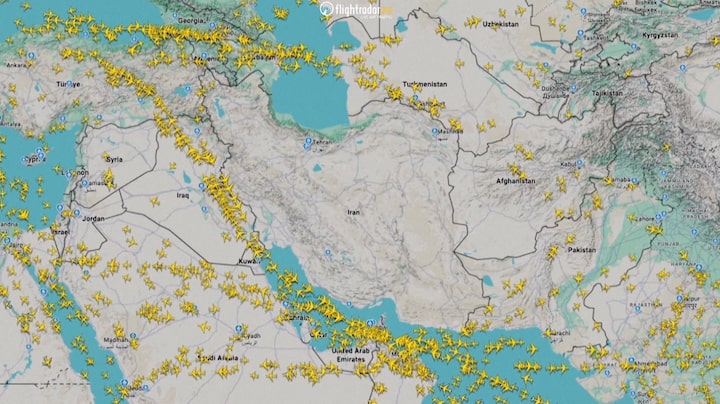
The Iraqi authorities have announced the reopening of Iraqi airspace after weeks of disruption caused by regional tensions. This decision comes after a thorough evaluation of the security situation, confirming that the airspace is now safe for civil aviation.
The decision followed a series of security measures implemented by the Iraqi government, which included enhancing security protocols at airports and within the airspace. This closure raised significant concerns among airlines and travelers, leading to the postponement of numerous flights.
Details of the Reopening
In recent weeks, Iraqi airspace experienced partial closures due to escalating tensions in the region, particularly following heightened events in neighboring countries. This closure significantly impacted flight operations, resulting in increased complaints from travelers and airlines.
With the reopening of airspace, airlines expressed their relief at this decision, as they began to resume flights to Iraq. The Iraqi Ministry of Transport confirmed that it is working to ensure the safety of travelers and provide a secure environment for aviation.
Background & Context
Historically, Iraqi airspace has been prone to closures due to political and security crises. Since 2003, Iraq has witnessed numerous tensions that have affected the country's stability, leading to airspace closures at various times. However, the reopening of airspace reflects an improvement in the security situation and the government's direction towards restoring confidence in the aviation sector.
In recent years, the Iraqi government has been working to improve airport infrastructure and enhance cooperation with neighboring countries to ensure aviation safety. These efforts are part of Iraq's pursuit to regain its status as a safe travel destination in the region.
Impact & Consequences
The reopening of Iraqi airspace has positive implications for the national economy, as it is expected to increase tourism and trade activity. This decision also reflects a relative stability in the security situation, which may attract more foreign investments.
Furthermore, the resumption of flights will contribute to strengthening ties between Iraq and neighboring countries, facilitating the movement of travelers and goods. This development could enhance economic and political relations between Iraq and regional countries.
Regional Significance
The reopening of Iraqi airspace is a crucial step towards restoring trust in the aviation sector and boosting the national economy. It signifies a commitment to improving security and fostering international relations.
In conclusion, the decision to reopen airspace not only alleviates the immediate concerns of airlines and travelers but also positions Iraq as a more stable and attractive destination for international travel and commerce.