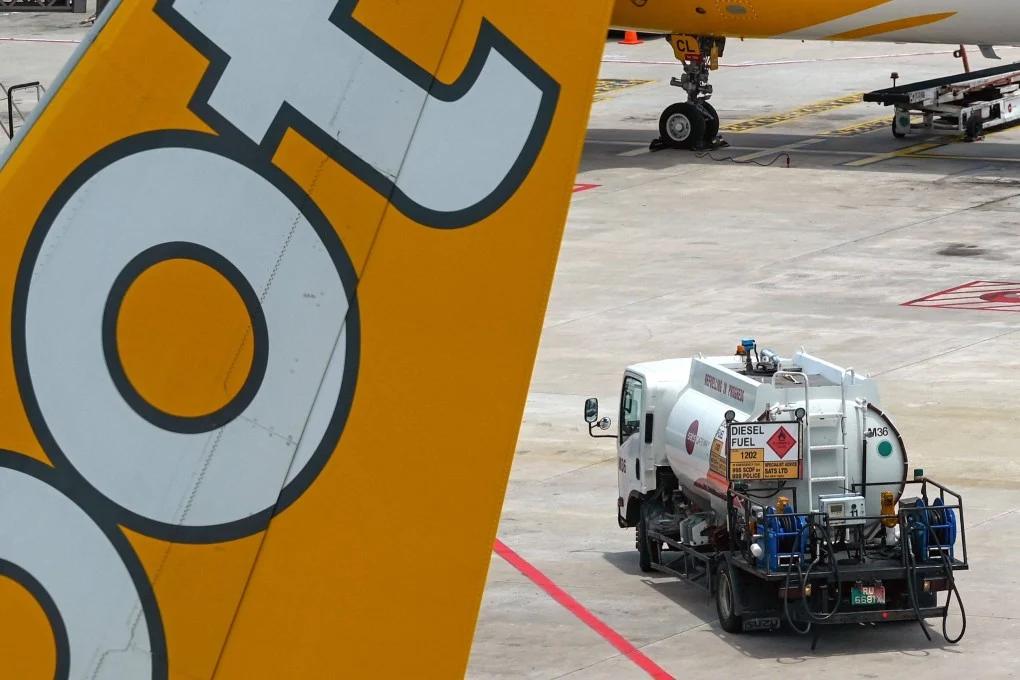
The President of the International Air Transport Association (IATA) confirmed that Iran's reopening of the Strait of Hormuz will not contribute to a rapid improvement in aviation fuel supplies, noting that recovery will take several months due to disruptions in refining capacity in the Middle East.
These remarks come at a time when oil prices are experiencing a significant decline, having fallen below $100 per barrel after U.S. President Donald Trump announced a ceasefire agreement with Iran, contingent upon the safe and immediate reopening of the strait. The Strait of Hormuz is a vital point, through which approximately 20% of global oil trade passes.
Details of the Situation
Concerns are growing among global airlines regarding the impact of fuel supply disruptions on their operations, as the aviation sector heavily relies on stable aviation fuel supplies. The IATA President pointed out that any improvement in supplies will take a long time, which could affect ticket prices and flight schedules.
In a related context, experts have confirmed that the reopening of the strait does not necessarily mean a return to normalcy in the oil market, as there are other factors influencing prices and supplies, including global demand and geopolitical tensions.
Background & Context
The Strait of Hormuz is considered one of the most strategic waterways in the world, with about 20% of the world's total oil passing through it. The region has witnessed increasing tensions in recent years, particularly with the escalation of the conflict between Iran and the United States, significantly impacting global oil markets.
Historically, the Strait of Hormuz has played a significant role in determining oil prices, as any disruptions there lead to immediate price increases. In recent years, there have been multiple attempts by major countries to secure this vital corridor and ensure the continuity of oil flow.
Impact & Consequences
Many companies anticipate that ongoing disruptions will lead to increased operating costs, which may negatively reflect on air ticket prices. This could result in a reduction in the number of flights and increased pressure on airlines, which are already suffering from the impacts of the COVID-19 pandemic.
Moreover, the effects may extend to financial markets, as any increase in oil prices could lead to fluctuations in global markets, affecting investments and local economies.
Regional Significance
The implications of the Strait of Hormuz's reopening are critical not only for oil supplies but also for regional stability. The ongoing geopolitical tensions in the area necessitate a careful approach to ensure that the flow of oil continues without interruption.
In conclusion, the reopening of the Strait of Hormuz may not provide the immediate relief that many in the aviation sector hope for, and the broader economic implications could be profound, affecting various sectors beyond aviation.