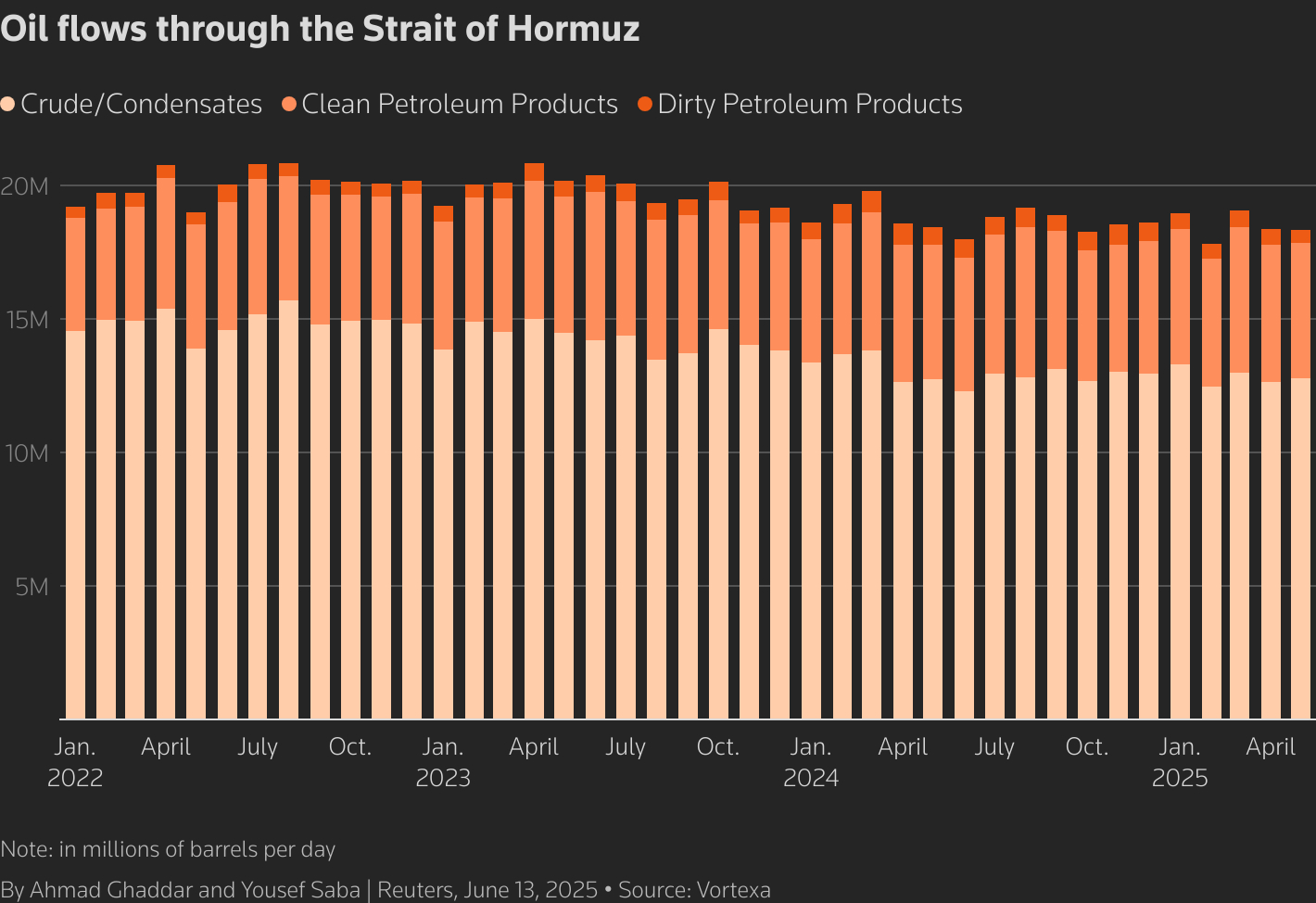
The world is eagerly awaiting the reopening of the Strait of Hormuz, one of the most important waterways globally, through which approximately 20% of total global oil supplies pass. Rebuilding energy infrastructure in the region and restoring oil production will have significant impacts on global oil markets.
The Middle East is a vital hub for oil production, housing the largest oil reserves in the world. With increasing political and economic tensions in the region, it has become essential to rehabilitate this infrastructure to ensure the stability of oil supplies.
Event Details
The Strait of Hormuz, which connects the Arabian Gulf to the Gulf of Oman, has witnessed numerous political tensions in recent years that have threatened navigation in the area. However, the complete reopening of the strait will depend on the stability of security and political conditions in the region, in addition to restoring oil production in neighboring countries.
Many oil-producing countries are striving to enhance their production capacities, which requires substantial investments in infrastructure. These investments are expected to play a pivotal role in restoring confidence in oil markets.
Background & Context
Historically, the Strait of Hormuz has been a focal point for conflicts and disputes, experiencing numerous events that have affected navigation. In recent years, tensions between Iran and Western countries have escalated, leading to economic sanctions on Tehran, which negatively impacted oil production in the region.
In this context, oil-producing countries are working to strengthen cooperation among themselves, with OPEC and OPEC+ serving as a model for coordination among producing nations to ensure price and supply stability.
Impact & Consequences
If the Strait of Hormuz is fully reopened, it will lead to the restoration of oil flows to global markets, potentially contributing to a decrease in oil prices that have seen significant increases recently. Additionally, the stability of supplies will bolster investor confidence in oil markets.
On the other hand, the resumption of production in the region may increase competition among producing countries, which could reflect on pricing strategies in global markets.
Regional Significance
Arab oil-producing countries, such as Saudi Arabia and the UAE, are among the biggest beneficiaries of the reopening of the Strait of Hormuz. The stability of oil supplies will enhance the economies of these nations and provide them with opportunities to boost investments in development projects.
Ultimately, the future of the Strait of Hormuz is tied to the political and security conditions in the region. Its complete reopening will be a crucial step towards stabilizing global oil markets, positively impacting the global economy.