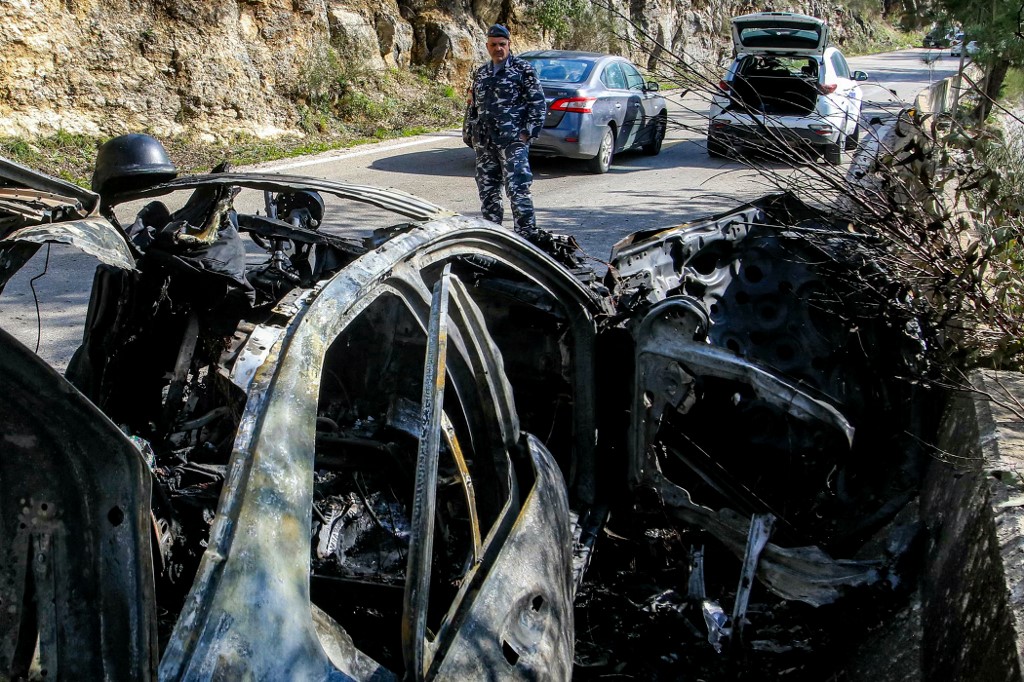
The Israeli Ministry of Health has announced that 142 individuals were injured in the last 24 hours, raising the total number of injuries since the beginning of the conflict to 5689. The ministry confirmed that 132 patients remain in hospitals, including 15 serious cases and one critical case.
These figures come at a time when military operations in the region continue, placing significant pressure on hospitals due to the increasing number of injured. Reports indicate that the health situation in Israel is deteriorating as the conflict persists, raising concerns about the healthcare system's ability to cope with the rising numbers.
Details of the Incident
The Israeli Ministry of Health regularly records the number of injuries and casualties resulting from the ongoing conflict, indicating that the war has led to significant human losses. While the Israeli government focuses on enhancing security, hospitals face major challenges in providing necessary care to the injured.
The injuries are distributed among civilians and military personnel, reflecting the conflict's impact on all segments of society. Reports have shown that some of the injured require urgent surgical procedures, further increasing the pressure on hospitals.
Background & Context
The history of the Israeli-Palestinian conflict spans decades, with the region witnessing numerous wars and conflicts. Since the onset of the conflict, Israel has faced several attacks, while Israeli military operations have targeted various areas in Palestinian territories. This conflict has exacerbated the humanitarian situation in the region, making it difficult to achieve lasting peace.
In recent years, the region has seen an escalation in hostilities, leading to a deterioration of security and humanitarian conditions. As the conflict continues, the number of casualties and injuries rises, raising international concern.
Impact & Consequences
The repercussions of the conflict extend beyond Israeli borders, affecting security and stability throughout the region. The increasing number of injured and casualties places pressure on the Israeli government, which faces growing criticism regarding its management of the crisis. Additionally, the deteriorating health situation may lead to the spread of diseases and increase the burdens on the healthcare system.
On the international level, the conflict raises widespread concern, with many countries calling for a peaceful resolution. The rising number of casualties may also impact Israel's international relations, as pressure from the global community increases.
Regional Significance
The Israeli-Palestinian conflict is considered a central issue in the Arab region, affecting relations between Arab states and Israel. The increasing number of casualties and injuries brings to mind the suffering of the Palestinian people and evokes feelings of Arab solidarity. Furthermore, the ongoing conflict complicates peace efforts in the region and affects regional stability.
In light of these circumstances, Arab countries must work to enhance diplomatic efforts to achieve peace and provide humanitarian support to those affected by the conflict. The deteriorating humanitarian conditions require an urgent response from the international community to ensure the protection of civilians and achieve stability in the region.