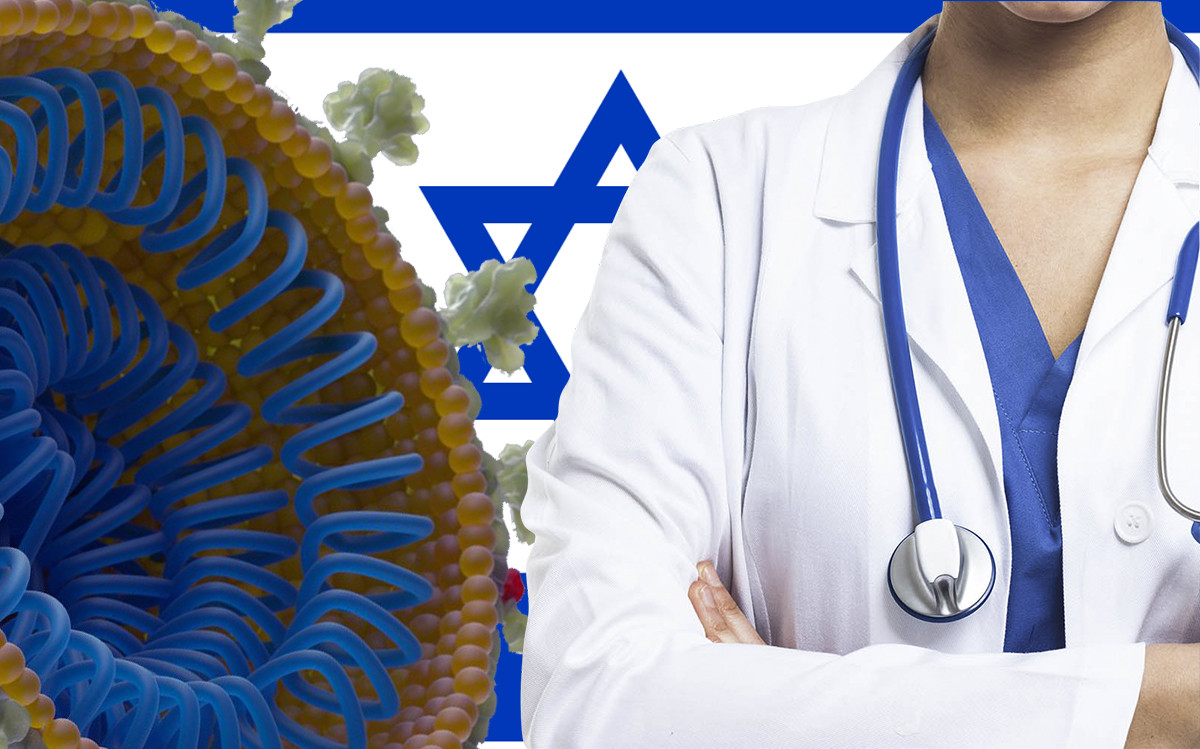
The Israeli Ministry of Health announced 80 new infections in the last twelve hours, bringing the total number of cases to 6088. These figures emerge at a sensitive time, as fears of a pandemic outbreak in the country are escalating alongside increasing precautionary measures.
Israel is experiencing a notable rise in infection numbers, raising concerns among citizens and health authorities. In light of these circumstances, the Israeli government continues to implement measures to combat the spread of the virus, including imposing new restrictions on gatherings.
Details of the Recent Surge
Reports indicate that the new cases were recorded at a time when pressures on Israel's healthcare system are mounting. The Ministry of Health has expressed concern over the lack of adherence to preventive measures, which could lead to a larger outbreak of the virus. The ministry has also emphasized the importance of vaccination as a key means to reduce the spread of infection.
The new measures announced include restrictions on public gatherings and enhanced awareness campaigns regarding the importance of adhering to health protocols. Officials have noted that these measures aim to protect citizens and alleviate pressure on hospitals.
Background & Context
Historically, Israel has witnessed multiple waves of virus spread, leading to comprehensive lockdowns at times. As the current year began, the government hoped to return to normal life, but the recent increase in infection numbers may push the country back into a state of lockdown.
In recent years, Israel has been among the countries that made significant progress in vaccination campaigns, which helped reduce the number of severe infections. However, the emergence of new strains of the virus has negatively impacted these efforts, prompting authorities to reassess their strategies.
Impact & Consequences
The rise in infection numbers directly affects the daily lives of citizens, as new restrictions may lead to the cancellation of public events and postponement of economic activities. Additionally, the increasing anxiety among citizens may impact individuals' mental health, necessitating further interventions from authorities.
Economically, these measures could lead to a slowdown in growth, as many sectors rely on business activity that may be adversely affected by the imposed restrictions. The current situation requires the government to take swift actions to support the local economy.
Regional Significance
The health situation in Israel serves as an important indicator for many neighboring Arab countries, as it can influence their pandemic response strategies. With the rise in infection cases, neighboring Arab nations may adopt similar precautionary measures to safeguard their citizens' health.
Moreover, regional cooperation in public health may become increasingly important under these circumstances, as countries can exchange information and experiences to tackle shared health challenges.
In conclusion, the health situation in Israel remains under close monitoring, requiring everyone to adhere to preventive measures to ensure community safety. The rising number of infections highlights the importance of a rapid and effective response to health challenges.