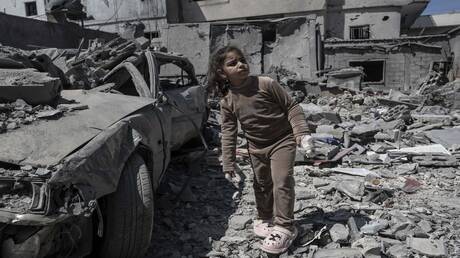
The Lebanese Ministry of Health announced today a new toll from the Israeli aggression that began on March 2, reporting that the number of martyrs has reached 1318 and the injured 3935 as of this Wednesday. These figures reflect the deteriorating humanitarian situation that Lebanon is experiencing amid escalating hostilities.
The Israeli aggression against Lebanon comes in the context of rising tensions in the region, with increased attacks on civilians and infrastructure, exacerbating the humanitarian conditions. Many humanitarian organizations have warned of the repercussions of this aggression on the lives of citizens, especially given the difficult economic circumstances that Lebanon is enduring.
Details of the Incident
Since the onset of the aggression, many Lebanese areas have witnessed intense bombardment, leading to the destruction of homes and public facilities. Reports indicate that most of the victims are civilians, including women and children, raising concerns about human rights violations in this context.
The Lebanese Ministry of Health has confirmed that hospitals are under significant pressure due to the increasing number of injured, suffering from a shortage of medical equipment and necessary resources to provide healthcare. This situation places additional strain on a healthcare system already grappling with multiple crises.
Background & Context
This aggression comes at a sensitive time for Lebanon, as the country is suffering from a crippling economic crisis that has led to the collapse of the national currency and rising poverty rates. These crises have intensified the suffering of citizens, making the humanitarian situation more complex.
Tensions in the region are not new, but they have notably escalated in recent months, with increased military activity along the Lebanese-Israeli border. This escalation reflects the instability plaguing the region as a whole and raises fears of new conflicts erupting.
Impact & Consequences
The humanitarian repercussions of this aggression are expected to be far-reaching, likely affecting the lives of thousands of Lebanese. The deteriorating health situation may lead to the spread of diseases and increased mortality rates among the injured and affected.
Moreover, the continuation of the aggression could exacerbate economic and social crises, heightening internal tensions in Lebanon. This situation may contribute to increased migration and displacement, as many Lebanese seek safe havens away from the conflict.
Regional Significance
The situation in Lebanon raises widespread concern in the Arab region, as Lebanon is seen as a symbol of resistance and resilience against aggression. The escalation of hostilities may impact stability in neighboring countries and increase tensions among various factions.
Additionally, this situation could affect relations between Arab countries and Israel, with calls for solidarity with Lebanon and humanitarian support expected to rise. This could contribute to strengthening Arab unity in the face of common challenges.
In conclusion, the situation in Lebanon remains alarming, necessitating urgent action from the international community to end the aggression and provide humanitarian support to those affected. Hope remains pinned on achieving peace and stability in the region.