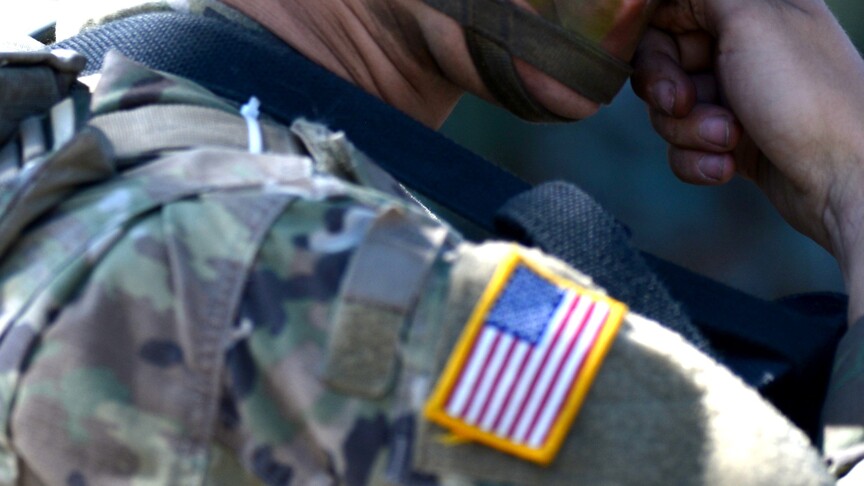
Reports have surfaced indicating that 373 American soldiers have sustained injuries in the ongoing conflict with Iran, highlighting the challenges faced by U.S. forces in the region. Among these injuries, 5 serious injuries have been documented, while 330 soldiers have managed to return to active duty. These figures emerge at a sensitive time as tensions between the United States and Iran continue to escalate.
Reports published by CBS News suggest that these injuries could significantly impact U.S. military operations in the area, as confrontations between American forces and Iranian-backed militias persist. This situation unfolds amidst rising political and military tensions in the Middle East, increasing the risks faced by American soldiers.
Details of the Incident
Events in the Middle East are rapidly evolving, with clashes between American forces and Iranian militias intensifying. While such confrontations are not new, they are taking on a more dangerous character at this time. The recorded injuries indicate that American forces are facing greater challenges than ever before, raising questions about their military strategies.
Moreover, the serious injuries sustained by some soldiers raise concerns regarding their safety and well-being. Under these circumstances, U.S. leadership must reassess its strategies in the region to ensure the safety of its troops.
Background & Context
Historically, relations between the United States and Iran have been strained since the Iranian Revolution in 1979. Since then, the region has witnessed numerous armed conflicts in which the United States has played a role. The current conflict is part of a series of escalating tensions, complicating the situation further.
In recent years, the United States has increased its military presence in the Middle East, leading to heightened tensions with Iran. These dynamics reflect a broader conflict between regional and international powers, as both the U.S. and Iran seek to expand their influence in the region.
Impact & Consequences
These injuries underscore the risks faced by American forces in the Middle East, which may lead to changes in U.S. military policy. It is likely that these events will influence political decisions in Washington, as officials must consider how to address the escalating tensions with Iran.
Furthermore, these injuries could impact American public opinion, as concerns grow regarding the safety of soldiers. Under these circumstances, pressure may increase on the U.S. government to adopt a more cautious response towards Iran.
Regional Significance
The ongoing events in the U.S.-Iran conflict have significant implications for the Arab region. Many Arab countries are closely monitoring the situation, as any escalation in the conflict could affect the overall stability of the region. The presence of American forces in the area raises concerns among several Arab nations, which are striving to maintain their stability amid these tensions.
Ultimately, the current situation requires Arab nations to take proactive steps to ensure their security and stability in light of these escalating tensions. Diplomatic efforts must be made to promote dialogue and de-escalate tensions among major powers in the region.