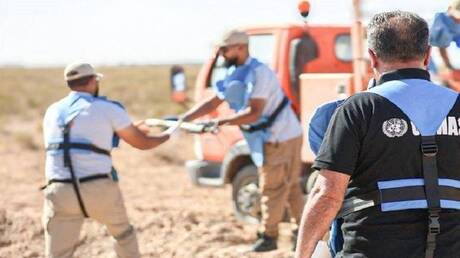
The United Nations Support Mission in Libya announced that 63 people were killed in the year 2025 as a result of incidents related to landmines. Among the victims were 21 children, underscoring the significant risks these weapons pose to civilians, especially children who represent a vulnerable segment of society.
This data comes as the world observes the International Day for Mine Awareness, which falls on April 4 each year. The day aims to raise awareness about the dangers posed by landmines and unexploded ordnance, and to enhance international efforts to eliminate these threats.
Details of the Incident
Reports indicate that landmines continue to pose a significant threat in various regions of Libya, causing loss of life and injuring many individuals. The mines planted during previous armed conflicts still affect the lives of civilians, necessitating urgent efforts to remove these hazards.
Incidents related to landmines are distributed across different Libyan regions, reflecting the urgent need for awareness and educational programs for local populations on how to deal with these dangers. There is also an urgent need to provide necessary support for victims and their families.
Background & Context
Historically, Libya has experienced multiple armed conflicts that have led to the proliferation of landmines in many areas. Since 2011, with the escalation of conflict, the number of landmines and unexploded ordnance has significantly increased. These mines not only cause harm during conflicts but continue to kill and injure civilians even after fighting has ceased.
The United Nations Support Mission in Libya seeks to enhance demining efforts and provide support for victims. However, political and security challenges hinder these efforts, making it difficult to achieve tangible progress in this area.
Impact & Consequences
Landmine incidents significantly impact the Libyan community, contributing to an increase in casualties and exacerbating humanitarian conditions. These incidents reflect the failure to achieve peace and stability in the country, hindering development and reconstruction efforts.
Addressing this issue requires both international and local cooperation, as the international community must provide the necessary support for demining and assistance to victims. Failing to address this problem could lead to worsening humanitarian conditions and increased tensions in the country.
Regional Significance
The landmine issue in Libya serves as a model for similar problems faced by other countries in the Arab region, where many nations suffer from the effects of armed conflicts. Raising awareness about the dangers of landmines and enhancing efforts to eliminate these threats can have a positive impact on security and stability in the region.
This issue requires ongoing international attention, as Arab countries must collaborate to tackle these shared challenges. Strengthening regional and international efforts can contribute to improving humanitarian conditions in Libya and other conflict-affected nations.