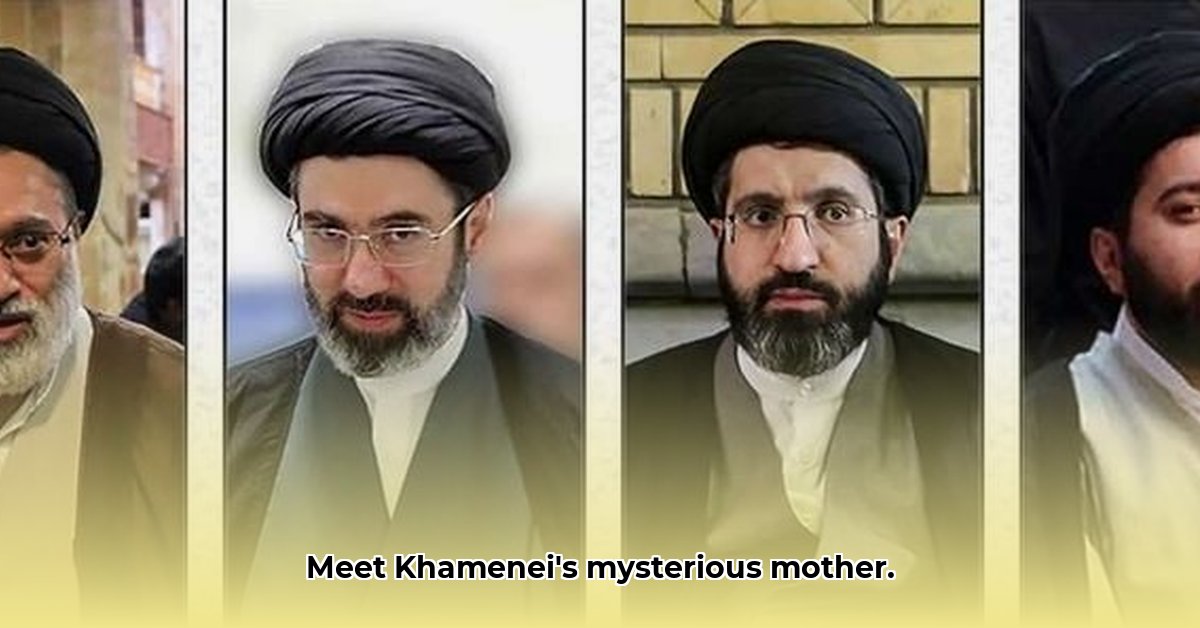
A recent intelligence report has revealed that Mojtaba Khamenei, the son of Iranian Supreme Leader Ali Khamenei, is unconscious and undergoing treatment in Qom. This information raises questions about the health of one of the most prominent figures in the Iranian regime, especially as the government faces increasing internal and external pressures.
Qom is a significant religious center in Iran, hosting numerous religious and political institutions. Mojtaba Khamenei was transferred to a hospital in the city after his health deteriorated, causing widespread concern among political and social circles.
Details of the Incident
Reports indicate that Mojtaba Khamenei suffered a serious health crisis that led to his loss of consciousness. While specific details regarding the cause of this incident have not been disclosed, some sources suggest that psychological and health pressures may be behind it. Mojtaba Khamenei is considered a pivotal figure in the Iranian regime, viewed as a potential successor to his father in leading the country.
This news comes at a time when the Iranian regime is grappling with significant challenges, including escalating popular protests and economic pressures resulting from international sanctions. These factors have impacted the stability of the regime, making Mojtaba Khamenei's health a particularly important topic.
Background & Context
Historically, the ruling family in Iran has been shrouded in secrecy, particularly regarding the personal health of its members. In recent years, Iran has witnessed significant changes in the political landscape, with rising protests against the government. These circumstances could greatly affect the future of the regime, especially if Mojtaba Khamenei's health continues to decline.
Qom is a center of religious and political influence in Iran, home to many influential clerics. Therefore, any changes in Mojtaba Khamenei's health could lead to shifts in the political dynamics within the country.
Impact & Consequences
If Mojtaba Khamenei's condition continues to deteriorate, it could create a leadership vacuum within the Iranian regime. This vacuum could be exploited by opponents or lead to internal conflicts among the various factions within the regime. Additionally, the decline in health of a prominent figure like Mojtaba could increase instability in the country.
These developments are likely to affect Iran's relations with other countries, especially amid current tensions with the United States and Western nations. These countries may seek to exploit the internal situation in Iran for political gains.
Regional Significance
Iran is a key player in regional politics, and any changes in its leadership or stability could directly impact neighboring Arab countries. In the event of a leadership vacuum, armed groups or opposing political movements may take advantage of the situation, complicating the regional landscape.
Arab nations are closely monitoring the situation, as any changes in Iran could affect political and security balances in the region. It is crucial for Arab countries to remain vigilant regarding developments in Iran, especially given the existing tensions.
In conclusion, Mojtaba Khamenei's health remains a matter of significant importance, not only for the Iranian regime but also for the entire region. It is essential to closely follow developments to understand the potential impacts on the regional landscape.